
The landscape of sexual health is complex, and understanding the interplay between sexually transmitted diseases (STDs) and chronic health conditions can be vital for overall wellness. Many individuals may not realize that STDs can have far-reaching implications beyond immediate symptoms. This article aims to shed light on how STDs can exacerbate or contribute to chronic conditions, as well as underscore the importance of regular testing to maintain both sexual and overall health.
Understanding How STDs Impact Chronic Health Conditions
Chronic health conditions, such as heart disease, diabetes, and autoimmune disorders, can be affected by the presence of STDs. Research indicates that certain STDs, such as HIV, can weaken the immune system, making individuals more susceptible to other infections and health complications. For instance, if someone has an STD and also suffers from diabetes, their body may struggle even more to fend off infections, leading to a cycle of worsening health. This connection can complicate the management of pre-existing chronic conditions, leading to more severe health outcomes.
Moreover, inflammation caused by STDs can have systemic effects. Conditions like herpes and syphilis can lead to chronic inflammation, which has been linked to an increased risk of developing cardiovascular diseases. This is particularly concerning for those already managing conditions like hypertension, as the added strain on the body can lead to a dangerous escalation in health problems. Understanding this connection allows for more comprehensive healthcare approaches that address both STDs and chronic health issues.
Additionally, the psychological impact of living with an STD can affect one's management of chronic health conditions. Anxiety and depression, which often accompany a diagnosis of an STD, can hinder one’s ability to adhere to treatment plans for other health issues. Stress can also exacerbate chronic conditions, creating a vicious cycle. Therefore, addressing sexual health holistically can lead to better management of both STDs and chronic diseases, emphasizing the interconnectedness of physical and mental well-being.
The Importance of Testing for STDs and Overall Wellness
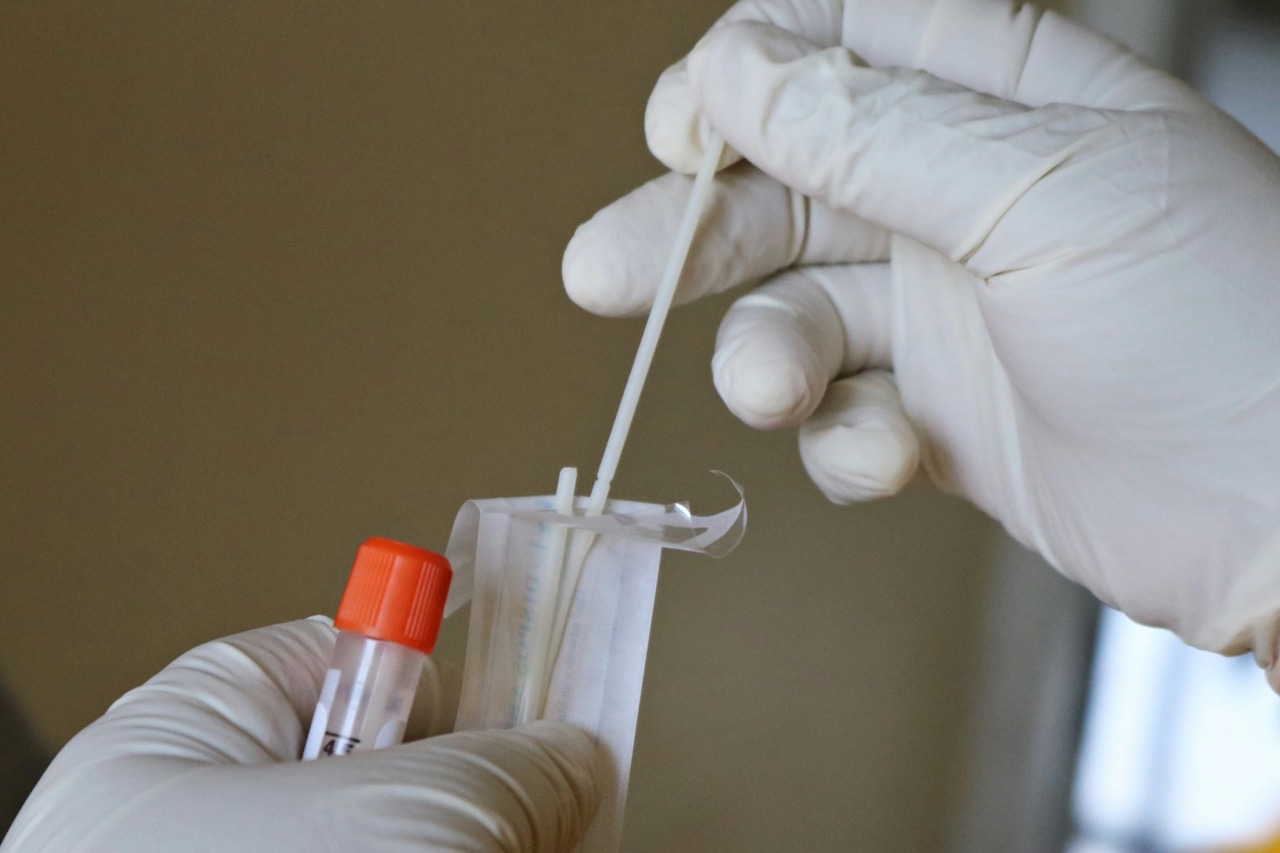
Regular testing for STDs is crucial not just for sexual health, but also for the management of chronic conditions. Many STDs can be asymptomatic, meaning a person may not even know they are infected, yet their health could be compromised. Testing is a straightforward way to identify infections early, allowing for timely treatment that can mitigate the impact on other health issues. The CDC recommends that sexually active individuals get tested at least once a year, or more often if they have multiple partners or engage in high-risk behaviors.
Understanding test results is equally important. A positive result for an STD can be daunting, but it’s essential to remember that many STDs are manageable with medical intervention. Treatments can range from antibiotics for bacterial infections to antiretroviral therapy for viral infections like HIV. By approaching test results as a pathway to better health rather than a stigma, individuals can empower themselves to take control of their sexual health and, by extension, their overall well-being.
Additionally, fostering a culture of openness and education around STD testing can reduce the stigma often associated with these infections. When individuals feel safe seeking testing, they are more likely to prioritize their health. Community initiatives that promote accessible testing resources, confidential consultations, and educational programs can significantly enhance public awareness and encourage proactive health management, benefiting both individual and public health.
Understanding the connection between STDs and chronic health conditions is essential for a holistic approach to wellness. Regular testing and open conversations about sexual health can lead to better management of both STDs and chronic diseases. By recognizing that sexual health is a vital part of overall health, individuals can empower themselves to make informed decisions, seek necessary medical attention, and ultimately enhance their quality of life. Remember, prioritizing your health is an act of self-care, and you deserve to feel safe and informed on your journey.