
Navigating your sexual health is a crucial aspect of your overall well-being. It empowers you to make informed decisions about your body, relationships, and future. Understanding the risks associated with sexually transmitted diseases (STDs) and taking proactive measures can significantly enhance your sexual health. In this article, we'll explore how to empower yourself through knowledge and provide a comprehensive guide to STD testing and prevention.
Empower Yourself: Understanding Sexual Health and Risks
Sexual health is more than just the absence of disease; it encompasses a broad spectrum of emotional, physical, and social factors. Understanding your sexual health starts with recognizing the various types of STDs, how they are transmitted, and the potential impacts they can have on your body and relationships. Common infections like chlamydia, gonorrhea, and HIV are often asymptomatic, making awareness and education essential. By learning about these conditions, you can identify risks and make informed choices about your sexual activities.
It's also vital to understand the importance of consent and communication in sexual relationships. Discussing sexual history, testing, and protection with partners not only fosters trust but also minimizes health risks. Engaging in open conversations about boundaries and preferences helps create a safe space where both partners feel valued and respected. Empowering yourself through knowledge and communication lays the groundwork for a healthier and more fulfilling sexual life.
Another key aspect of sexual health is recognizing that everyone is at risk of contracting STDs, regardless of age, gender, or sexual orientation. By shifting the narrative around STDs from stigma to understanding, individuals can approach their sexual health with confidence. Prioritizing your health means you take control of your sexual future, allowing you to engage in safe and fulfilling experiences.
A Comprehensive Guide to STD Testing and Prevention
Regular testing for STDs is crucial for maintaining sexual health. Knowing when to get tested can be as important as the testing itself. Generally, the CDC recommends getting tested at least once a year if you are sexually active, especially if you have multiple partners or new partners. If you experience symptoms such as unusual discharge, sores, or pain during intercourse, seek medical attention immediately. Early detection is key in preventing complications and reducing the spread of infections.
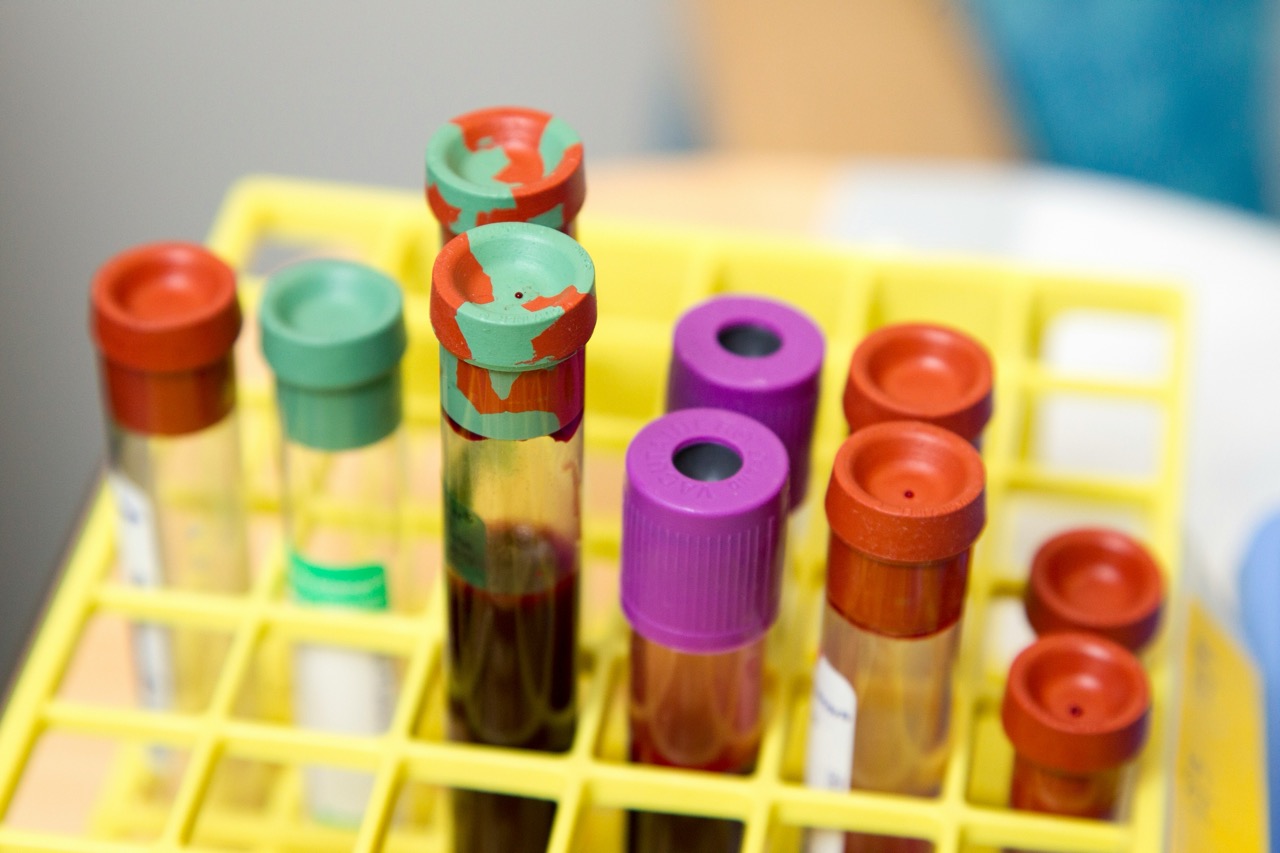
Understanding the testing process can alleviate anxiety. Most STD tests are quick and easy—some require a simple urine sample, while others may involve blood tests or swabs. Many clinics offer confidential testing services, so you can feel comfortable and secure in seeking care. Once you’ve been tested, interpreting your results is the next step. If your results are negative, that’s a positive sign, but it’s still essential to continue practicing safe sex. If positive, don’t panic; many STDs are treatable or manageable with the help of a healthcare provider.
Prevention is just as important as testing. Using condoms correctly and consistently can significantly reduce the risk of transmitting STDs. Additionally, you may consider vaccinations for preventable infections like HPV and hepatitis B. Open and honest communication with your partner about testing and protection is also vital in reducing risks. By taking these proactive steps, you empower yourself to lead a healthier sexual life while also caring for the well-being of your partners.
Taking control of your sexual future begins with understanding and empowerment. By becoming informed about sexual health and the importance of regular testing, you can make decisions that promote your wellness and that of your partners. Remember, sexual health is a journey, not a destination. By fostering openness, practicing safe sex, and prioritizing your health, you pave the way for a confident and fulfilling sexual life. Embrace your sexual health today and take the necessary steps towards a brighter and safer future.