




Sexually transmitted diseases (STDs) can have significant implications for reproductive health and fertility. While many STDs may not present immediate symptoms, their long-term effects can be detrimental if left untreated. Understanding how these infections influence reproductive health is crucial for anyone who is sexually active. This article aims to shed light on the relationship between STDs and fertility, provide insights into common STDs that affect reproductive health, and discuss ways to maintain a healthy reproductive system.
Understanding the Impact of STDs on Reproductive Health
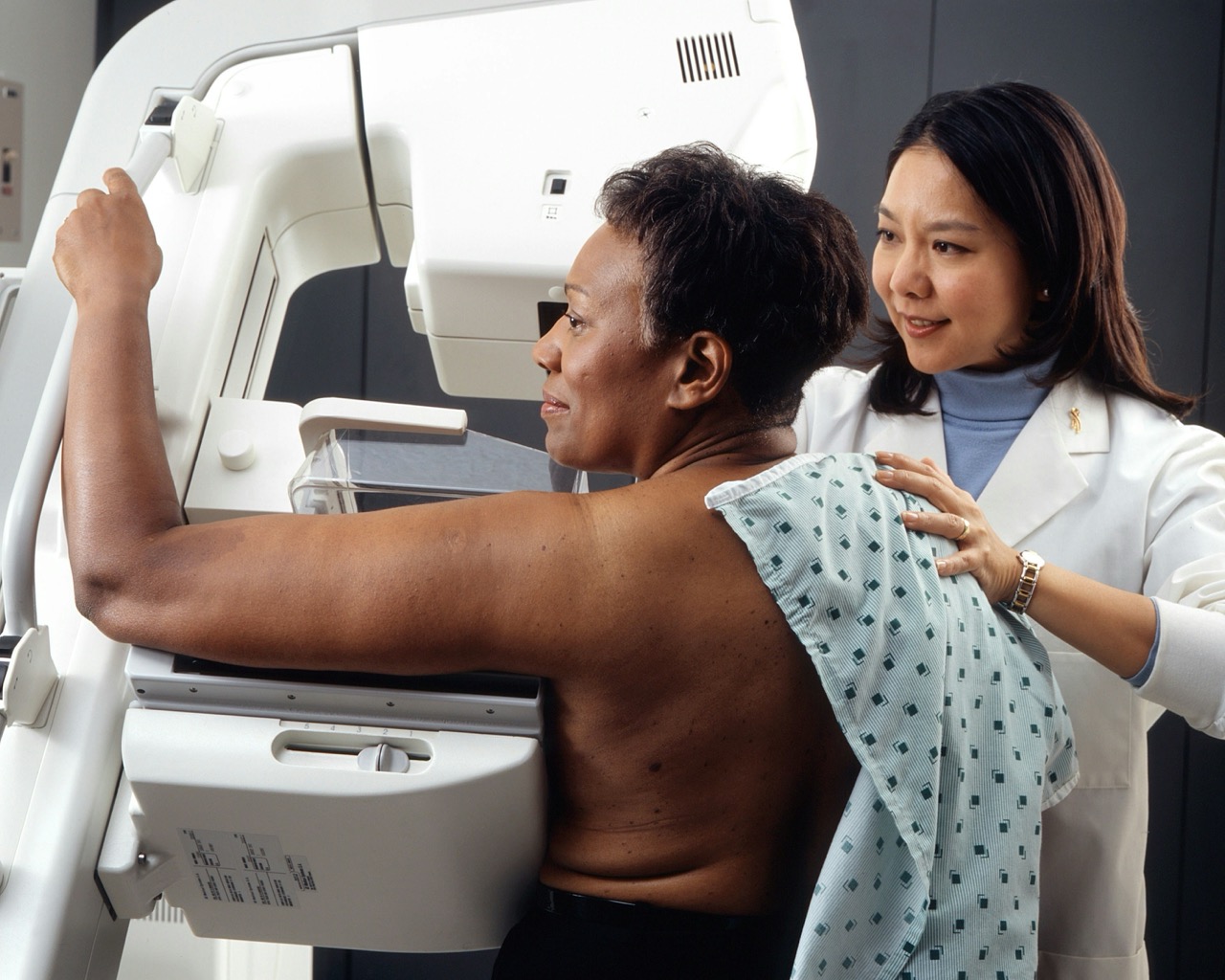
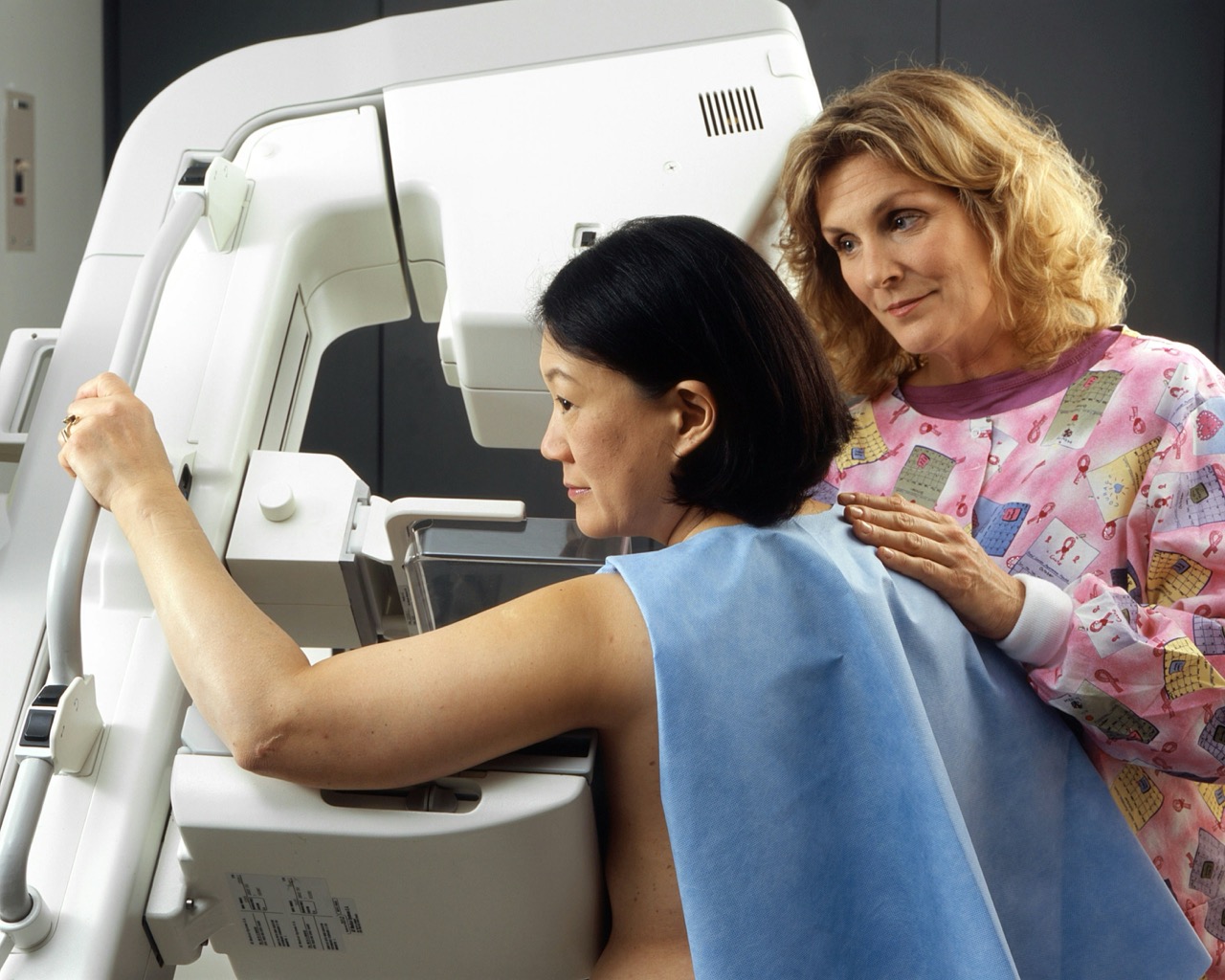
STDs can lead to serious complications in both men and women, impacting various aspects of reproductive health. For women, untreated STDs such as chlamydia and gonorrhea can cause pelvic inflammatory disease (PID), which can lead to scarring of the fallopian tubes. This scarring can increase the risk of ectopic pregnancies and infertility, making it essential for sexually active women to undergo regular testing. Additionally, STDs can affect pregnancy outcomes, increasing the risk of miscarriage or preterm labor.
In men, STDs can also have a profound impact on reproductive functions. Infections such as gonorrhea and chlamydia can lead to epididymitis, an inflammation of the tube that carries sperm, potentially resulting in infertility. Furthermore, untreated STDs can affect sperm quality and motility, reducing the chances of conception. Understanding these risks can empower individuals to prioritize their reproductive health and seek testing and treatment when necessary.
The emotional and psychological implications of STDs can also be significant. The stigma surrounding these infections may deter individuals from seeking timely medical attention, leading to increased health risks. It’s important to approach the discussion of STDs with compassion and understanding, emphasizing that regular testing and open communication with partners are vital steps in protecting reproductive health.
How STDs Can Influence Fertility Outcomes and Solutions
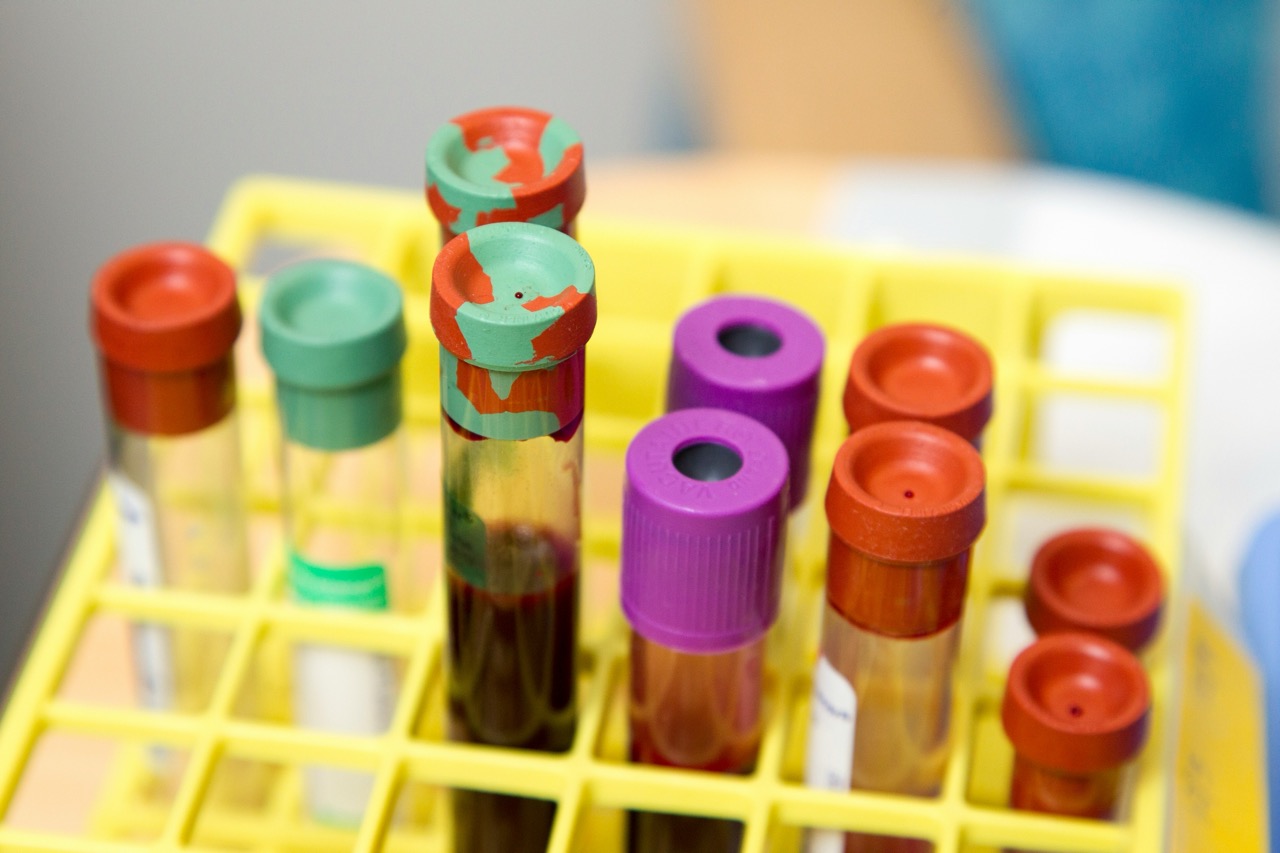
The impact of STDs on fertility is often intertwined with the concept of early detection and treatment. Many STDs can be asymptomatic, meaning individuals may not realize they are infected until complications arise. Regular testing is crucial, especially for those with multiple partners or inconsistent protective measures. Knowing when to get tested—for instance, after any new sexual partner or experiencing unusual symptoms—can help catch infections early and prevent long-term damage to reproductive health.
Treatment options for STDs vary based on the specific infection but generally include antibiotics or antiviral medications. For bacterial infections like chlamydia and gonorrhea, early treatment can effectively clear the infection and restore reproductive health. In contrast, viral STDs like herpes and HIV require ongoing management, but individuals can still maintain healthy reproductive lives with appropriate medical care. Consulting with a healthcare provider can help tailor the best course of action for those affected, ensuring that they receive comprehensive care.
In addition to seeking treatment, adopting a proactive approach to reproductive health can help mitigate the impact of STDs. This includes practicing safe sex, using condoms consistently, and maintaining open lines of communication with sexual partners. Education on sexual health and STD prevention should be prioritized for everyone, empowering individuals to make informed decisions and reduce their risk of infection.
The links between STDs, fertility, and reproductive health cannot be overlooked. Understanding these relationships is essential for anyone engaged in sexual activity. Through education, timely testing, and responsible sexual practices, individuals can significantly improve their reproductive health outcomes. By fostering an environment of openness and support, we can reduce the stigma surrounding STDs and encourage proactive health management, ultimately leading to healthier communities. Remember, taking charge of your sexual health is not just about preventing STDs; it’s about creating a foundation for a healthy future.