





Trichomoniasis, a common sexually transmitted infection (STI), is often overshadowed by more widely known STDs like chlamydia and gonorrhea. However, understanding its symptoms, risks, and connections to other STDs is crucial for maintaining sexual health. In this article, we’ll explore the nature of trichomoniasis, its symptoms and risks, and how it interrelates with other STDs, thereby empowering readers to make informed decisions about their sexual well-being.
Understanding Trichomoniasis: Symptoms and Risks Involved
Trichomoniasis is primarily caused by a parasitic infection from Trichomonas vaginalis. It often goes unnoticed, as many individuals may not exhibit symptoms. However, when symptoms do occur, they can include itching, burning, and unusual discharge in women, while men might experience irritation or discharge from the penis. It’s essential to recognize these symptoms early, as untreated trichomoniasis can lead to more severe health complications, including an increased risk of HIV transmission.
The risks associated with trichomoniasis extend beyond the immediate discomfort of symptoms. Women affected by this infection are at a greater risk of developing pelvic inflammatory disease (PID), which can lead to infertility if not treated. Moreover, pregnant women with trichomoniasis may face complications such as preterm delivery. Because the infection can be asymptomatic, regular testing is vital for sexually active individuals, especially those with multiple partners or inconsistent condom use.
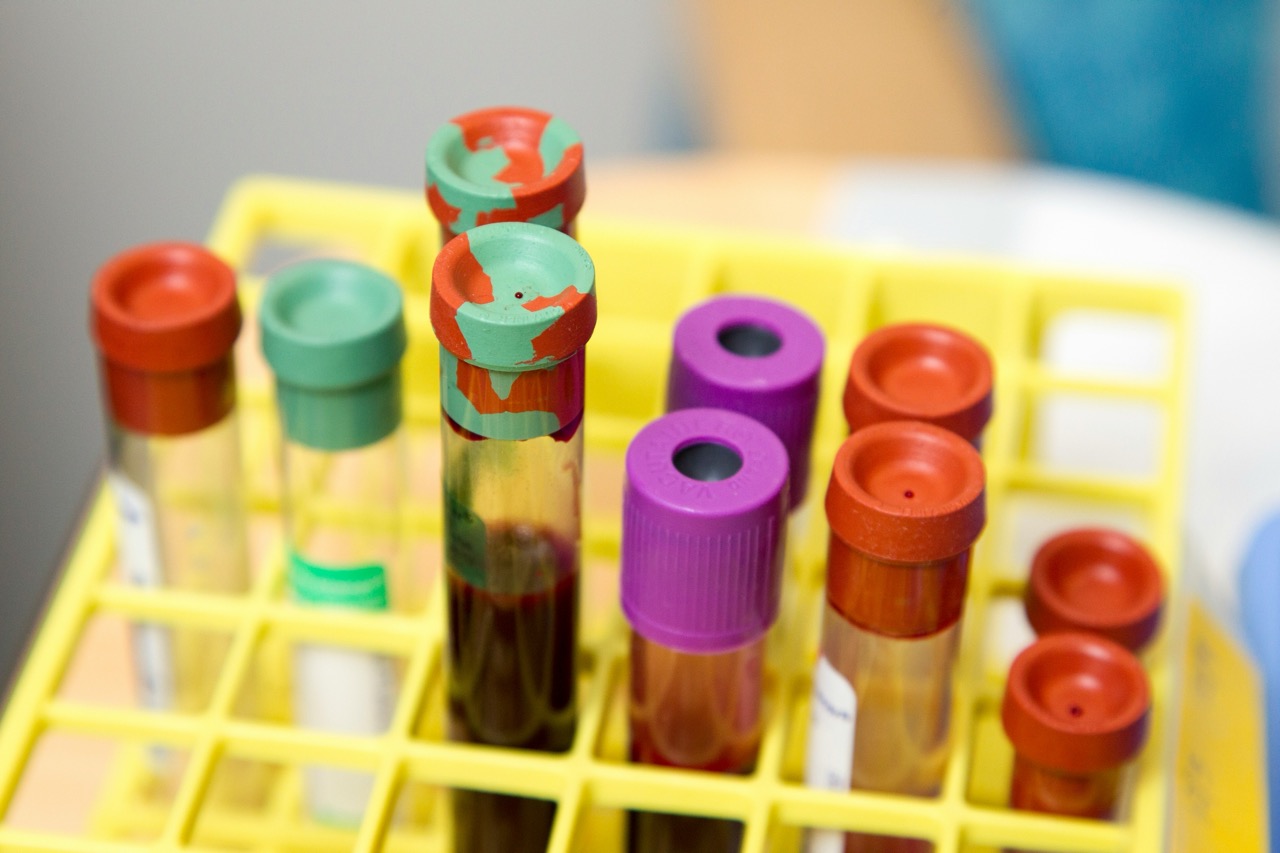
Testing for trichomoniasis typically involves a pelvic exam for women and urine analysis for men. If diagnosed, trichomoniasis is usually treated with a single dose of antibiotics, making the treatment process straightforward. However, both partners should be treated simultaneously to prevent reinfection, underscoring the importance of open communication about sexual health between partners.
How Trichomoniasis Relates to Other Common STDs
Trichomoniasis is often classified alongside other STDs due to shared risk factors and the potential for co-infection. Individuals diagnosed with trichomoniasis are at a higher risk for contracting other STDs, including HIV. The inflammation caused by trichomoniasis can create an entry point for the HIV virus, making it easier for unprotected sexual encounters to lead to transmission. This interconnection highlights the necessity for comprehensive STD testing, particularly if one infection has been diagnosed.
Moreover, trichomoniasis can co-exist with other STDs like chlamydia, gonorrhea, and syphilis. In some cases, individuals may have multiple infections simultaneously, which can complicate treatment and increase the likelihood of serious health consequences. Regular testing for all STDs is encouraged, as this can help identify potential co-infections, allowing for a more effective treatment plan and reducing the risk of long-term complications.
Preventative measures should be prioritized to reduce the risk of contracting trichomoniasis and other STDs. Utilizing condoms consistently and engaging in mutual monogamy with uninfected partners can significantly lower the risks involved. Furthermore, educating oneself about the signs and symptoms of various STDs, including trichomoniasis, is essential for early detection and treatment, which ultimately contributes to better overall sexual health.
In conclusion, understanding trichomoniasis and its relationship with other STDs is pivotal for anyone engaging in sexual activity. By recognizing the symptoms, knowing the testing procedures, and being aware of the risks, individuals can take proactive steps to safeguard their sexual health. Regular check-ups, open conversations with partners, and consistent use of protective measures are fundamental in preventing not just trichomoniasis but a range of STDs. Empowering yourself with knowledge is the first step towards a healthier, more informed sexual journey.