

HIV (Human Immunodeficiency Virus) remains a significant public health concern worldwide. Understanding how HIV is transmitted and the various prevention strategies available is essential for everyone, regardless of their sexual orientation or lifestyle. This guide aims to provide you with comprehensive insights into effective HIV prevention methods and the importance of regular testing.
Essential Strategies for Effective HIV Prevention Today
Preventing HIV primarily revolves around understanding transmission routes and implementing effective strategies. One of the most effective methods is practicing safer sex. This includes using condoms consistently and correctly, which can significantly reduce the risk of HIV transmission during sexual intercourse. Condoms act as a barrier that prevents the exchange of bodily fluids, thus protecting both partners. In addition to condoms, dental dams can be used during oral sex to provide an additional layer of protection.
Another powerful tool in HIV prevention is Pre-Exposure Prophylaxis (PrEP). PrEP is a medication for individuals at high risk of contracting HIV. When taken consistently, it can lower the chances of getting HIV from sex by up to 99%. It’s crucial to consult with a healthcare provider about PrEP, including potential side effects and regular follow-ups to monitor kidney function, which can be affected by the medication. By incorporating PrEP into their prevention strategies, individuals can significantly reduce their risk of infection.
Lastly, having open and honest conversations with sexual partners about HIV status and sexual health is vital. This includes discussing testing history and any other sexually transmitted infections (STIs). Creating an environment of trust and communication can empower individuals to make informed decisions about their sexual health. Moreover, regular testing for HIV and STIs not only protects oneself but also helps protect partners, fostering a more informed and responsible sexual community.
Understanding Testing Options and Risk Reduction Techniques
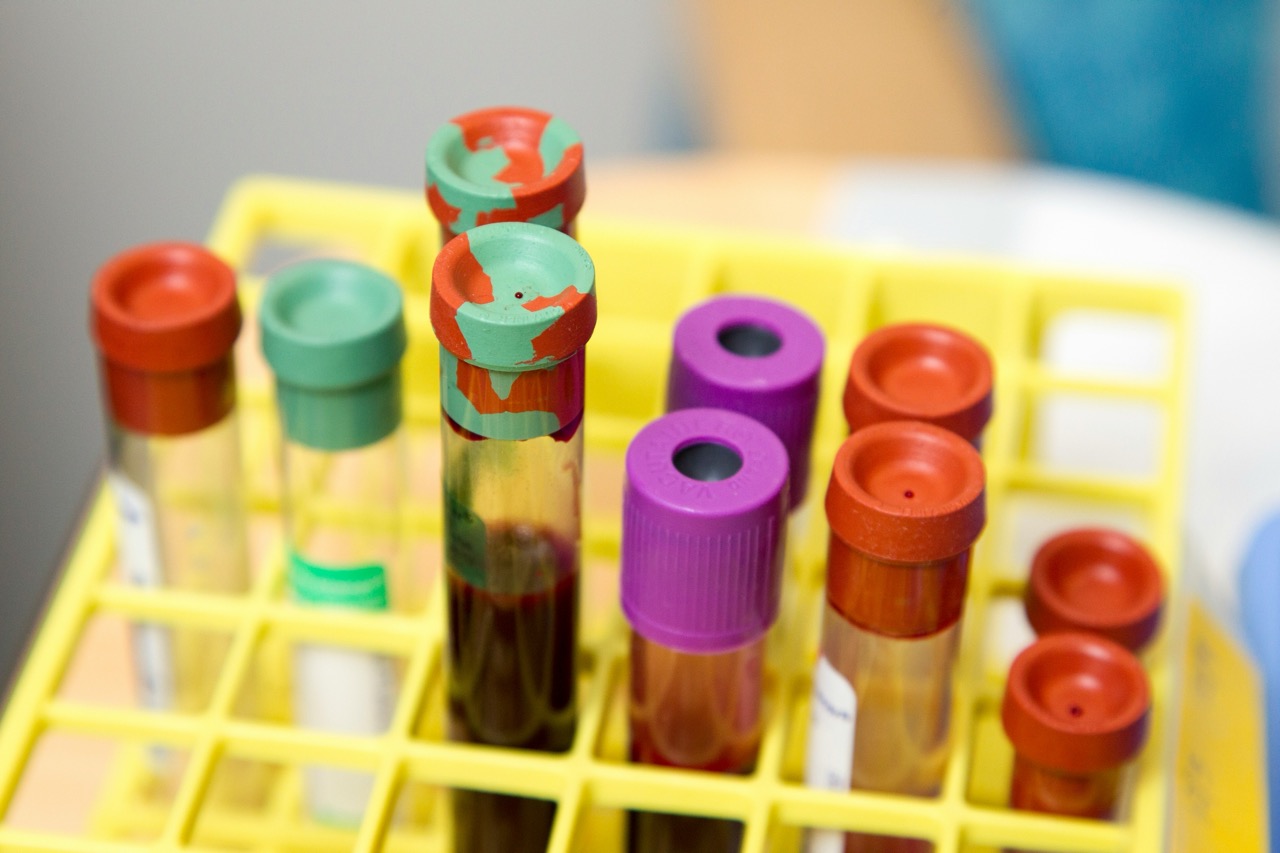
Testing is an essential component of HIV prevention. Knowing your HIV status and that of your partner is critical in making informed decisions about sexual activities. There are several testing options available, including rapid tests that provide results within 20 minutes, standard blood tests, and home testing kits that allow for privacy and convenience. Regardless of the method chosen, it is important to get tested regularly, especially if you have new or multiple partners. The Centers for Disease Control and Prevention (CDC) recommends that sexually active individuals get tested at least once a year.
Interpreting test results can sometimes be confusing, but it’s essential to remember that a negative result means you are not infected at that moment. However, if you have had a recent exposure, it may be too early to detect HIV. Follow-up testing may be necessary, particularly if you’re at higher risk. If you test positive, don’t panic. Modern treatments are highly effective and can lead to an undetectable viral load, meaning you cannot transmit the virus to others. Connecting with healthcare professionals can help guide you through the process of understanding your results and the next steps.
In addition to regular testing, employing risk reduction techniques enhances overall safety. These may include reducing the number of sexual partners, avoiding sexual activity when under the influence of drugs or alcohol (which can impair judgment), and utilizing barrier methods consistently. It’s also beneficial to stay informed about vaccines and treatments for other STIs, as they can also impact your HIV risk. By combining regular testing with these techniques, individuals can take charge of their sexual health and contribute to reducing the overall prevalence of HIV.
HIV prevention is a multifaceted approach that involves education, communication, and proactive health management. By understanding essential strategies like safer sex practices, utilizing preventive medications such as PrEP, and ensuring regular testing, individuals can significantly reduce their risk of contracting HIV. Always prioritize your health and that of your partners through informed discussions and regular check-ups. Remember, taking steps towards prevention is not just about protecting yourself but also about caring for your community.