




Navigating the landscape of sexual health can be challenging, especially when it comes to sexually transmitted diseases (STDs). If you’re in a relationship with someone diagnosed with an STD, it’s natural to feel concerned about your own health and safety. Educating yourself about STDs, understanding safe practices, and fostering open communication with your partner are essential steps in protecting yourself. This article will provide you with the essential knowledge to navigate this sensitive situation with confidence and compassion.
Understanding STDs: The Basics Everyone Should Know
STDs are infections that are primarily spread through sexual contact. This includes a range of pathogens such as bacteria, viruses, and parasites. Common STDs include chlamydia, gonorrhea, syphilis, herpes, and HIV. Each of these infections can have varying symptoms, and some individuals may not experience any signs at all, making regular testing crucial. Understanding the mechanisms of transmission—such as through vaginal, anal, or oral sex—can empower you to take proactive steps to protect yourself.
Knowing the difference between viral and bacterial STDs is also essential. Bacterial infections, like chlamydia and gonorrhea, can often be treated and cured with antibiotics, while viral infections, such as HIV and herpes, are managed rather than cured. This distinction emphasizes the importance of ongoing treatment and monitoring for viral STDs, as they can have long-term health implications if left unmanaged. Familiarizing yourself with these key concepts lays the groundwork for informed decision-making regarding your sexual health.
Finally, it’s vital to understand the implications of an STD diagnosis—not just for your partner but for both of you. Stigma can often surround STDs, leading to feelings of shame or embarrassment. Open discussions about STDs can foster a supportive environment where both partners can seek help, share information, and approach the situation responsibly. Knowledge is power; being informed about STDs can help reduce anxiety and enable both partners to navigate their health together.
Safe Practices: Protecting Yourself and Your Partner
Open and honest communication is one of the most effective tools in protecting yourself when your partner has an STD. Discussing your partner’s diagnosis, treatment, and any potential risks openly can help both of you feel more secure. It’s important to ask questions about their STD status, the type of infection, and what measures they are taking to manage it. Encourage discussions about safe sex practices, including the use of condoms, which can significantly reduce the risk of transmission.
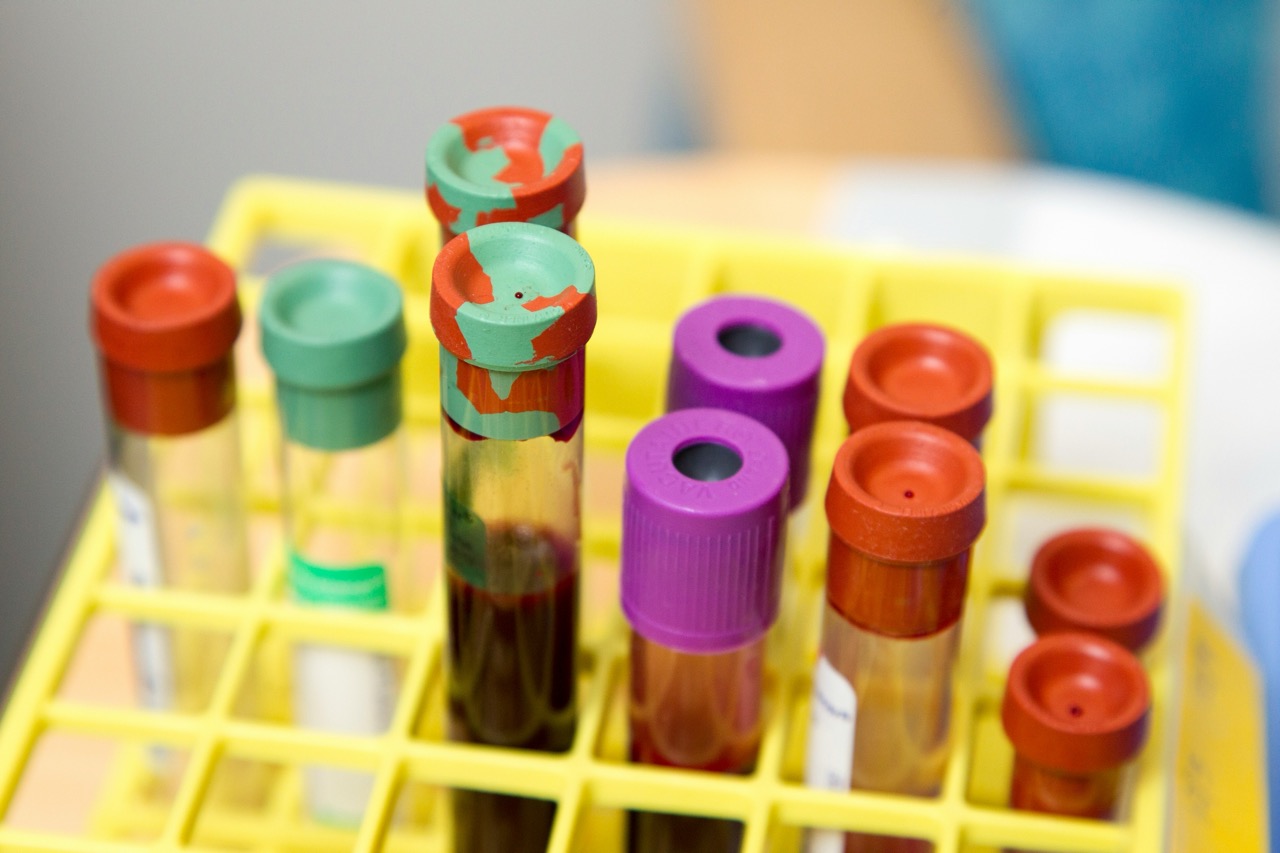
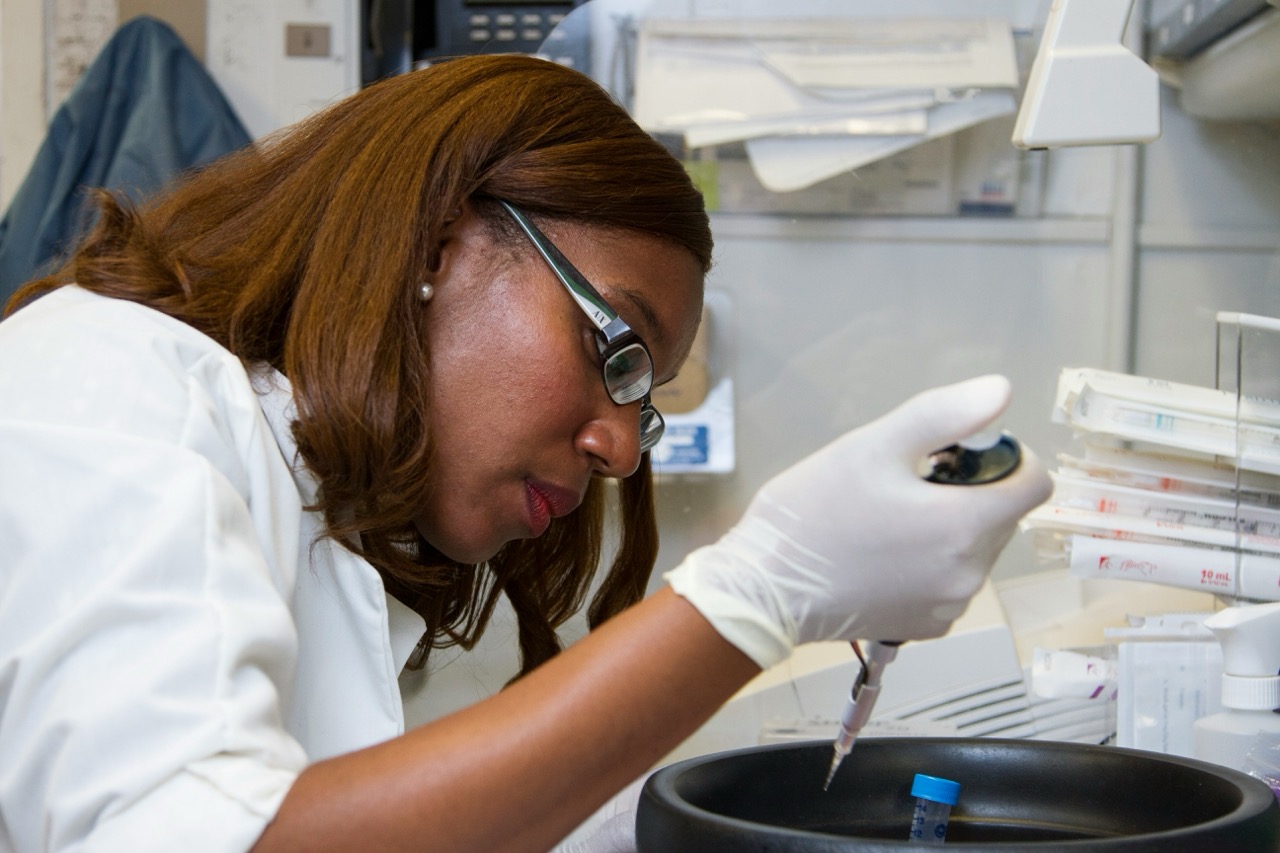
In addition to using protection, regular testing is another key aspect of maintaining sexual health. Even if your partner is being treated, it’s advisable to get tested yourself. Many STDs can remain asymptomatic, meaning you could be unaware of any infection you might have. Regular testing allows for early detection and treatment, which is crucial in preventing long-term health complications. Make a habit of scheduling tests based on your sexual activity and any potential exposure, as recommended by healthcare professionals.
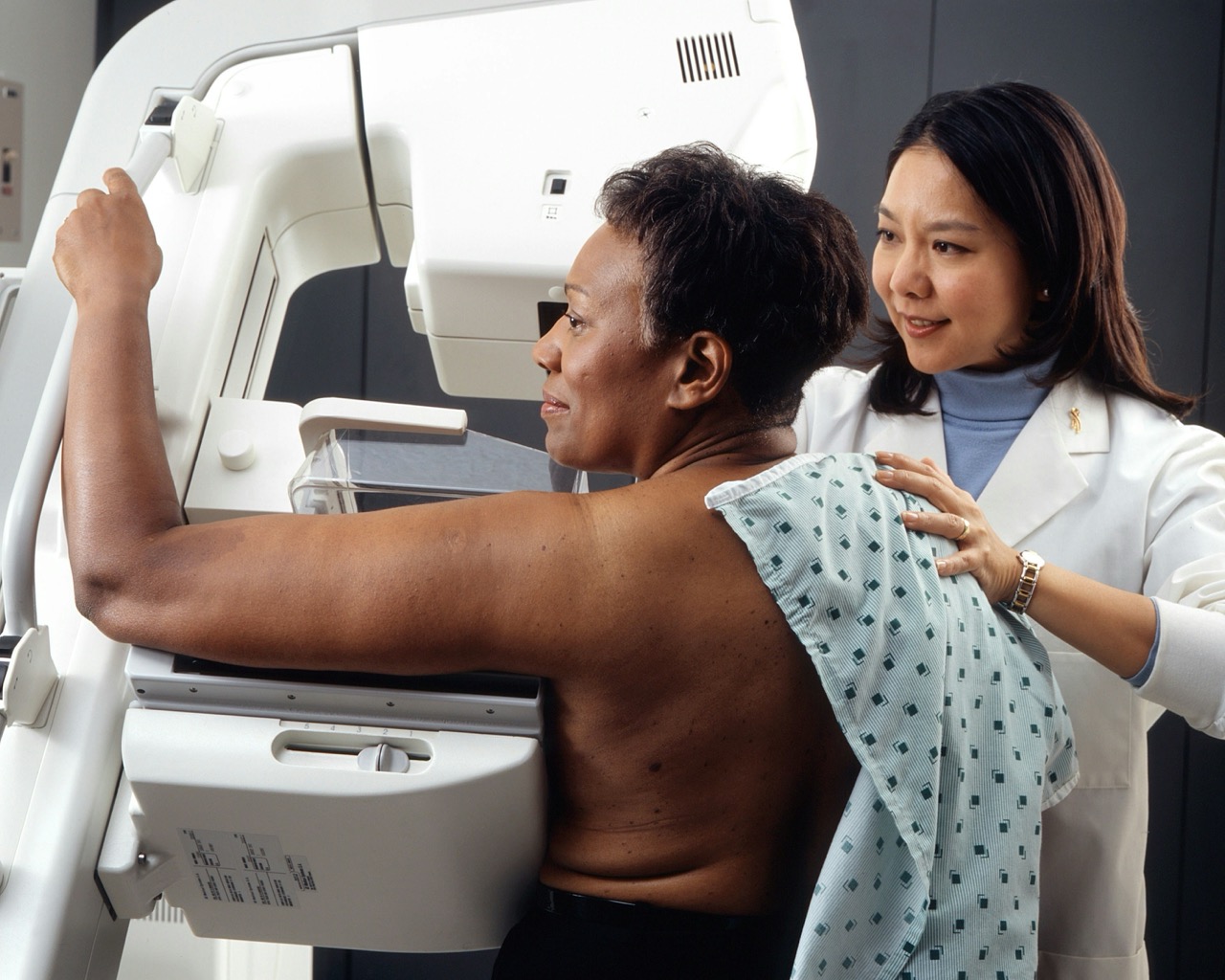
Lastly, consider seeking professional guidance from a healthcare provider. They can provide you with tailored advice based on your unique circumstances, and help you understand the specifics of your partner’s STD, including any necessary precautions you should take. A healthcare provider can also offer resources and support for both you and your partner, ensuring that you both prioritize your health and well-being. Seeking help is not a sign of weakness; rather, it’s a proactive step toward protecting yourself and fostering a healthy relationship.
In conclusion, while navigating a relationship where one partner has an STD can be daunting, it’s crucial to approach the situation with understanding and informed choices. By educating yourself about STDs, prioritizing open communication, and adopting safe practices, you can significantly reduce your risk and foster a supportive environment for both you and your partner. Remember, sexual health is an ongoing journey that requires awareness, compassion, and proactive engagement. With the right information and support, you can protect yourself and maintain a healthy, fulfilling relationship.