




===
In the realm of sexual health, establishing a healthy routine is crucial for maintaining not only personal well-being but also the safety of partners. One vital aspect of this routine is regular testing for sexually transmitted diseases (STDs). Incorporating testing into your lifestyle can feel daunting, but it is a necessary step toward a healthier, more informed existence. This article will guide you on how to effectively integrate STD testing into your daily routine, emphasizing the importance of proactive health management.
Establishing Your Healthy Routine: The Role of Testing
Regular testing serves as a cornerstone of sexual health, providing essential insights into one’s status and helping to prevent the spread of infections. Testing empowers individuals with the knowledge required to make informed decisions about their sexual health. A healthy routine should include annual check-ups and regular testing based on the level of sexual activity and number of partners. By treating testing as a routine check-up, like visiting a dentist or a general practitioner, individuals can normalize the process and reduce stigma associated with it.
Understanding when to get tested is equally important. The Centers for Disease Control and Prevention (CDC) recommends that sexually active individuals undergo testing at least once a year, with more frequent testing for those at higher risk. This routine can include screenings for common infections such as chlamydia, gonorrhea, syphilis, and HIV. By establishing a timeline for testing, individuals can integrate this practice seamlessly into their lifestyle, thereby promoting a culture of health and responsibility.
Lastly, it’s crucial to recognize the emotional and psychological benefits of regular testing. Knowing your status can alleviate anxiety and build confidence in relationships. By incorporating testing into a healthy routine, you not only protect yourself but also your partners. This proactive approach fosters communication, encourages safe practices, and ultimately contributes to a healthier community.
Essential Steps to Integrate Testing into Daily Life
To effectively incorporate testing into your daily life, start by setting reminders for when to schedule your appointments. Digital calendars and health apps can be useful tools for tracking your testing schedule. By treating these reminders as important as any other health-related task, you can build consistency in your routine. Additionally, consider pairing testing with another health habit, such as a regular workout or a monthly wellness check. This strategy can make testing feel less daunting and more a part of your overall health maintenance.
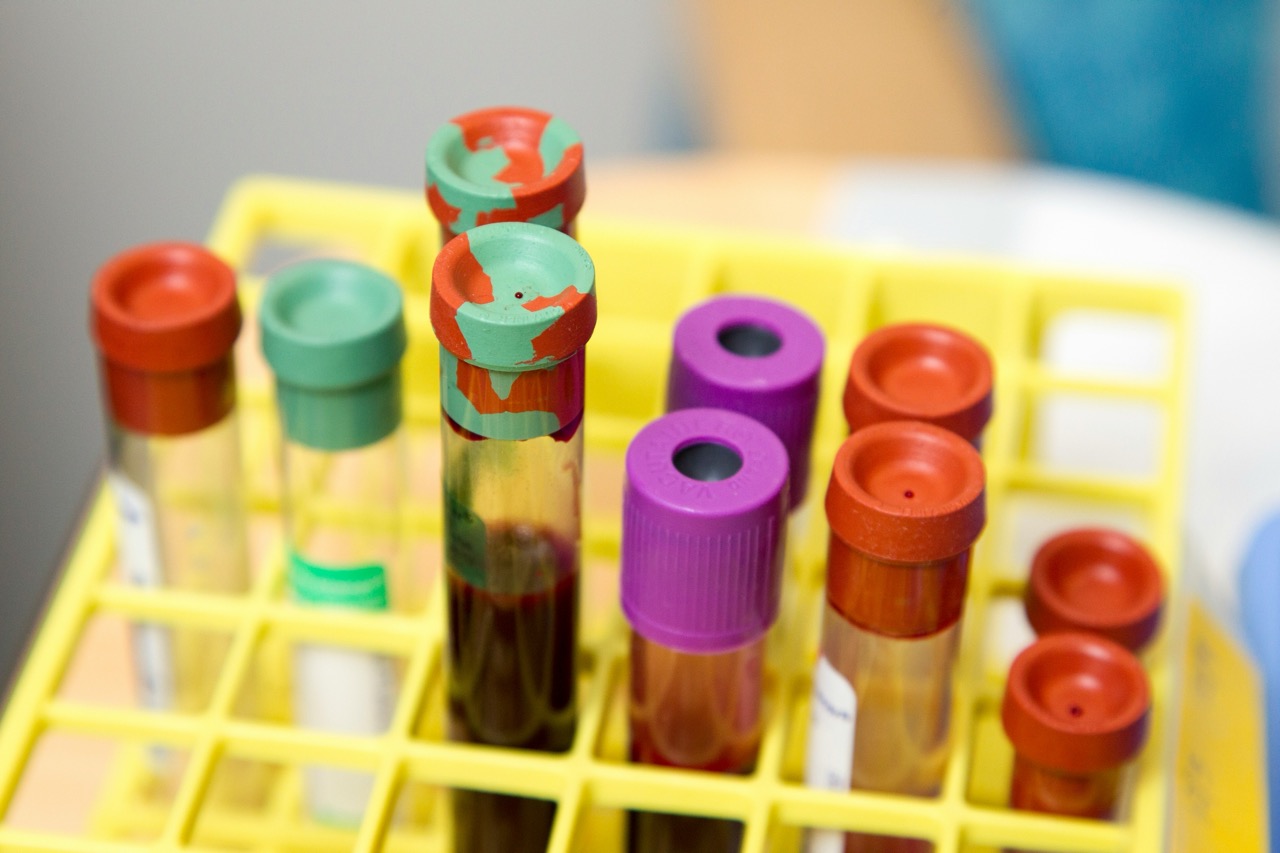
Next, educate yourself on the testing procedures for various STDs. Familiarize yourself with the types of tests available, the methods used, and what to expect during the appointment. Many clinics offer rapid tests that provide immediate results, while others may require blood samples or swabs. Understanding these procedures can help you feel more comfortable and make informed decisions about where and how to get tested. Many health organizations and clinics strive to offer confidential services, ensuring that your privacy is respected throughout the process.
Lastly, embrace open communication with sexual partners about testing. Establishing a dialogue around sexual health can help normalize these conversations, making it easier to discuss testing history and health practices. This openness fosters trust and mutual respect, creating safer and more fulfilling relationships. By prioritizing testing and encouraging partners to do the same, you contribute to a more informed and health-conscious community.
===
Incorporating STD testing into your healthy routine is an essential step in advocating for your sexual health and the well-being of those around you. By understanding the importance of regular testing, setting up reminders, and fostering open communication with partners, you can transform this process into a seamless part of your lifestyle. Remember that taking charge of your sexual health is an empowering act—one that not only protects you but also promotes a culture of awareness and safety.