



In the realm of preventive health, vaccination plays a crucial role in reducing the incidence of various diseases, and the HPV (Human Papillomavirus) vaccine is no exception. This vaccine provides a powerful tool in the fight against certain strains of HPV, which can lead to several types of cancer and other health issues. In this article, we will explore why the HPV vaccine is essential for preventive health and delve into the details of understanding HPV and its associated risks, offering a comprehensive guide to vaccination.
Why the HPV Vaccine is Essential for Preventive Health
The HPV vaccine serves as a frontline defense against a virus that is surprisingly common. HPV is transmitted through intimate skin-to-skin contact, and the majority of sexually active individuals will contract it at some point in their lives. While many HPV infections resolve on their own, some high-risk strains are linked to serious health consequences, including cervical, anal, and oropharyngeal cancers. By vaccinating young individuals—preferably before they become sexually active—communities can significantly reduce the prevalence of these cancers.
Moreover, the HPV vaccine is not just a personal health measure; it is a public health strategy that protects entire populations. When a significant portion of the community is vaccinated, herd immunity is achieved, which decreases the overall circulation of the virus. This collective protection is critical, particularly for those who may not be able to receive the vaccine due to allergies or compromised immune systems. Thus, the HPV vaccine is essential not only for individual health but also for community well-being.
Additionally, the vaccine is safe and has been thoroughly studied in clinical trials involving thousands of participants. Side effects are generally mild and temporary, such as soreness at the injection site or mild fever. Health organizations worldwide, including the CDC and WHO, endorse the HPV vaccine as a critical measure in cancer prevention. By prioritizing vaccination, we can pave the way for a future with significantly reduced cancer rates associated with HPV.
Understanding HPV and Its Risks: A Guide to Vaccination
Human Papillomavirus is a group of more than 200 related viruses, of which about 40 are transmitted through direct sexual contact. Some strains are classified as low-risk, causing genital warts, while others are high-risk and can lead to various forms of cancer. Understanding these categories is essential for appreciating the importance of vaccination. The high-risk strains, particularly types 16 and 18, are responsible for approximately 70% of cervical cancer cases globally.
It is vital to recognize that HPV often presents without symptoms, making regular screenings and vaccinations even more crucial. Many individuals may not realize they are infected, which can lead to delayed diagnosis and treatment of cancer. The HPV vaccine is recommended for preteens (ages 11-12), but it can be administered to individuals up to the age of 26. Vaccination at a young age is effective because it ensures the immune system has a robust response before exposure to the virus.
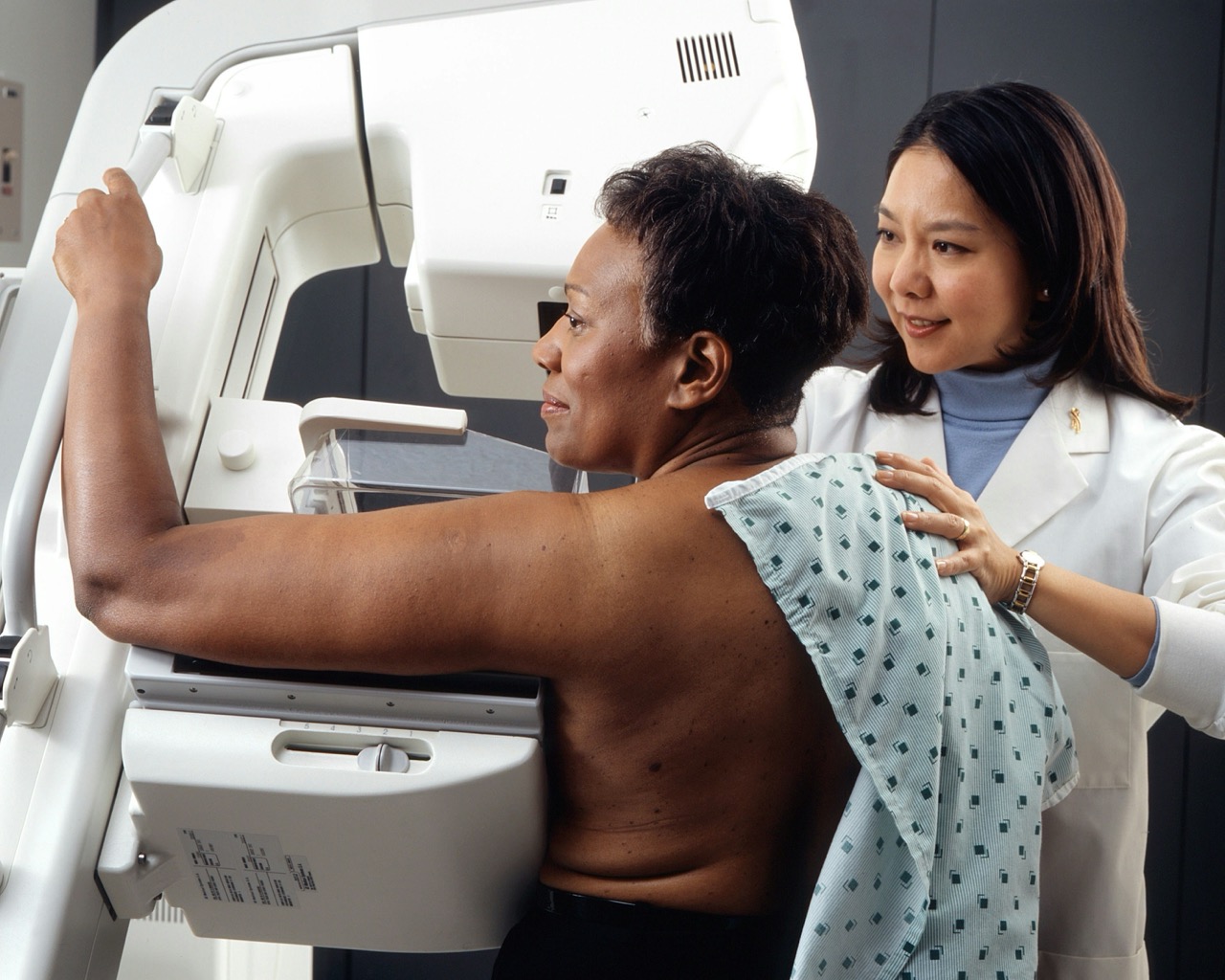
While vaccination is a powerful preventive measure, it does not replace the need for regular screenings. For those with a cervix, routine Pap smears and HPV tests are essential components of preventive health care. These screenings can detect changes in cervical cells before they develop into cancer, allowing for early interventions. Together, vaccination and screening form a comprehensive strategy to combat HPV-related health risks, empowering individuals to take charge of their sexual health.
Understanding the importance of the HPV vaccine is a vital step toward protecting your health and the health of your community. Vaccination provides a powerful shield against several high-risk strains of HPV that can lead to cancer, and it works best when combined with regular health screenings. By staying informed and proactive about vaccinations and preventive health measures, individuals can play an essential role in the fight against HPV. Empower yourself and your loved ones with knowledge, and make informed choices that contribute to safer, healthier lives.