




Sexual health is a vital component of overall well-being, and understanding the landscape of sexually transmitted diseases (STDs) is crucial for everyone. With the rising prevalence of STDs, knowing when, where, and how to get tested is essential to maintaining your health and the health of your partners. This comprehensive guide will walk you through the various aspects of STD testing, ensuring you feel informed and empowered to take charge of your sexual health.
Understanding STD Testing: Essential Locations and Timing
When considering STD testing, understanding where to go is the first step. Healthcare providers, including physicians, sexual health clinics, and community health centers, often offer testing services. Many pharmacies also provide rapid tests or can guide you to nearby testing facilities. For those seeking more privacy, at-home testing kits are available, allowing individuals to collect samples in the comfort of their own home and send them to a lab for analysis. These options are designed to accommodate various comfort levels and needs, making it easier for individuals to access necessary care.
Timing is also crucial when it comes to getting tested. If you’ve had unprotected sex or suspect potential exposure to an STD, it’s wise to get tested as soon as possible. However, it’s important to note that some infections may not show up immediately after exposure. For instance, HIV may take up to three months to be detectable, while others, such as gonorrhea or chlamydia, can be identified sooner. Regular testing is highly recommended, especially for those with multiple partners or those engaging in high-risk behaviors, to ensure timely treatment and reduce transmission rates.
Lastly, understanding the symptoms associated with STDs can guide your decision to get tested. Some infections may present obvious signs, such as unusual discharge, itching, or pain during intercourse. However, many STDs can remain asymptomatic, making regular testing vital even when you feel healthy. Being proactive about your sexual health not only protects you but also your partners, contributing to a healthier community overall.
How to Get Tested: Step-by-Step Guide to Your Health
Getting tested for STDs is a straightforward process, beginning with a visit to your chosen healthcare provider or clinic. Start by scheduling an appointment, where you can discuss your sexual history, any potential symptoms, and the specific tests you may need. Many clinics offer a comprehensive panel that tests for multiple STDs at once, which can save you time and provide a clearer picture of your sexual health. It’s important to communicate openly with your healthcare provider, as they can provide tailored advice and support.
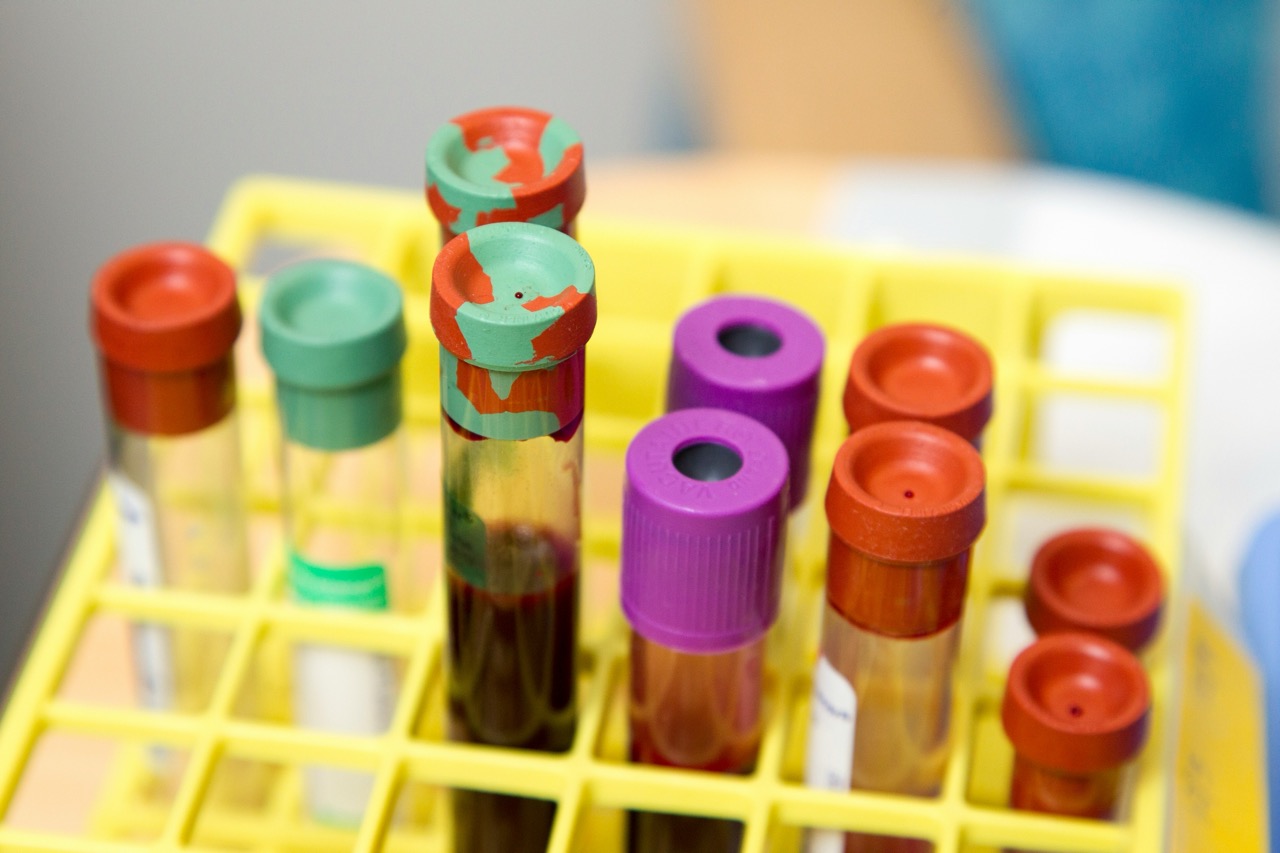
Once at the testing facility, the process typically involves a brief consultation followed by sample collection. Depending on the tests being conducted, this could include a urine sample, a blood draw, or swabs from affected areas. The procedures are generally quick and minimally invasive, designed to ensure comfort and privacy. After the samples are collected, you will receive information on how and when to expect your results, which can vary from a few days to a week, depending on the testing type and facility.
Interpreting your results is the next critical step. If your test comes back negative, it’s essential to understand when you should consider getting retested. On the other hand, a positive result can be daunting, but it’s crucial to remember that many STDs are treatable or manageable with the right medical care. Follow-up appointments are vital to discuss treatment options and ways to reduce transmission risk. Your healthcare provider can guide you through this process, ensuring you have the support you need for a healthy future.
Taking charge of your sexual health through regular STD testing is an empowering choice that paves the way for safer relationships and overall well-being. By understanding where, when, and how to get tested, you can effectively manage your health and reduce the risk of spreading infections. Remember, seeking help is a sign of strength, and there are numerous resources available to support you on your journey toward better sexual health. Don’t hesitate to reach out to healthcare professionals, community resources, or trusted friends for assistance. Your health is worth it.