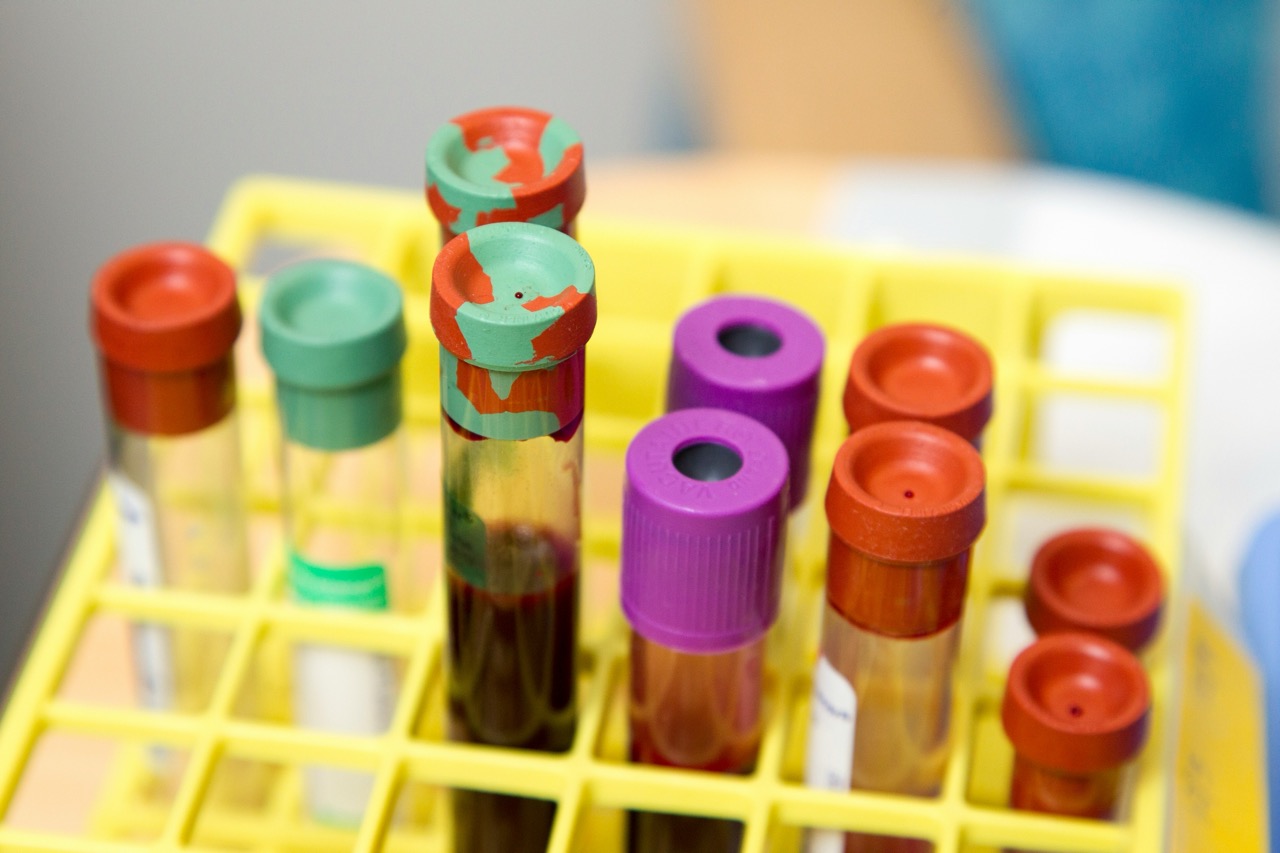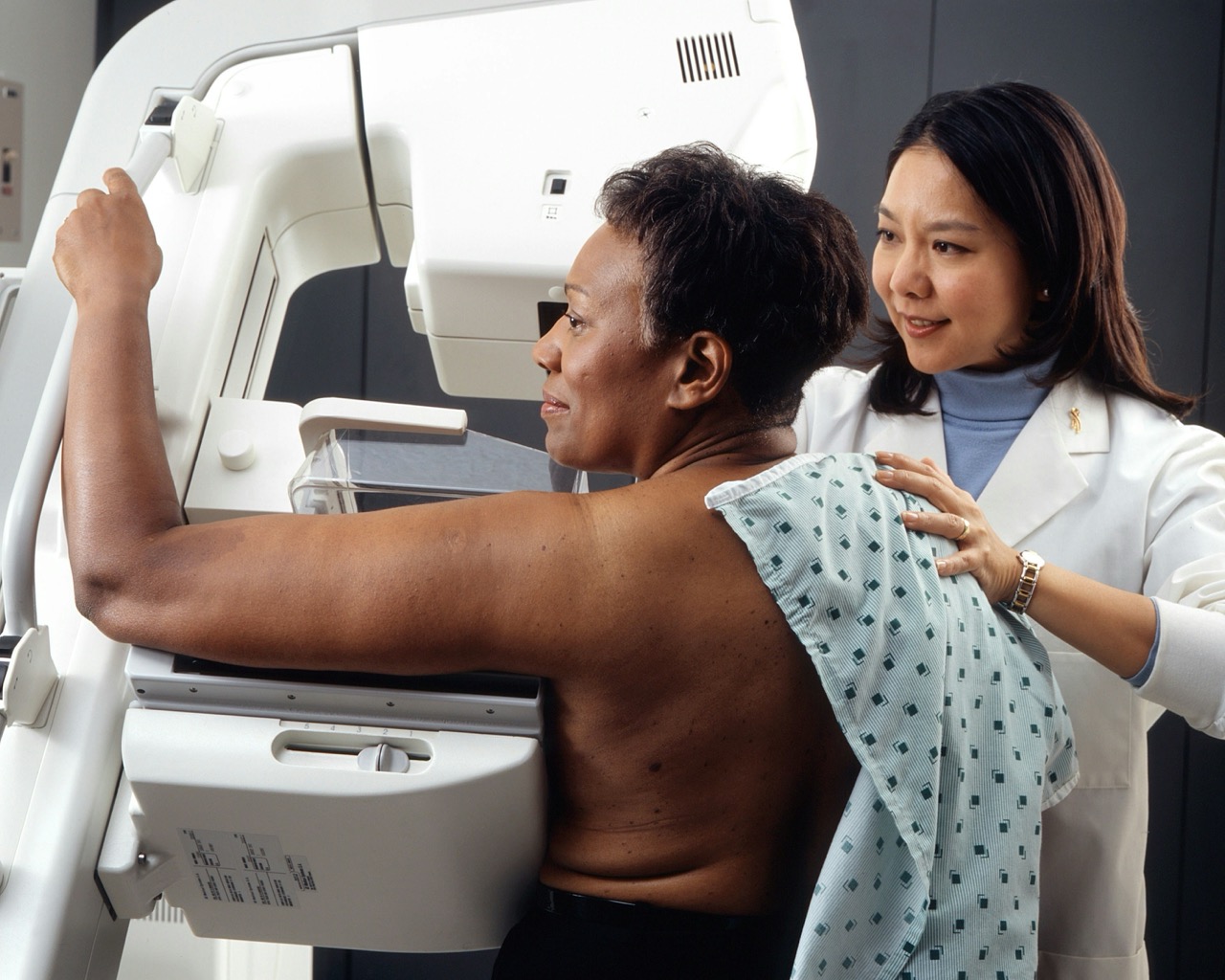





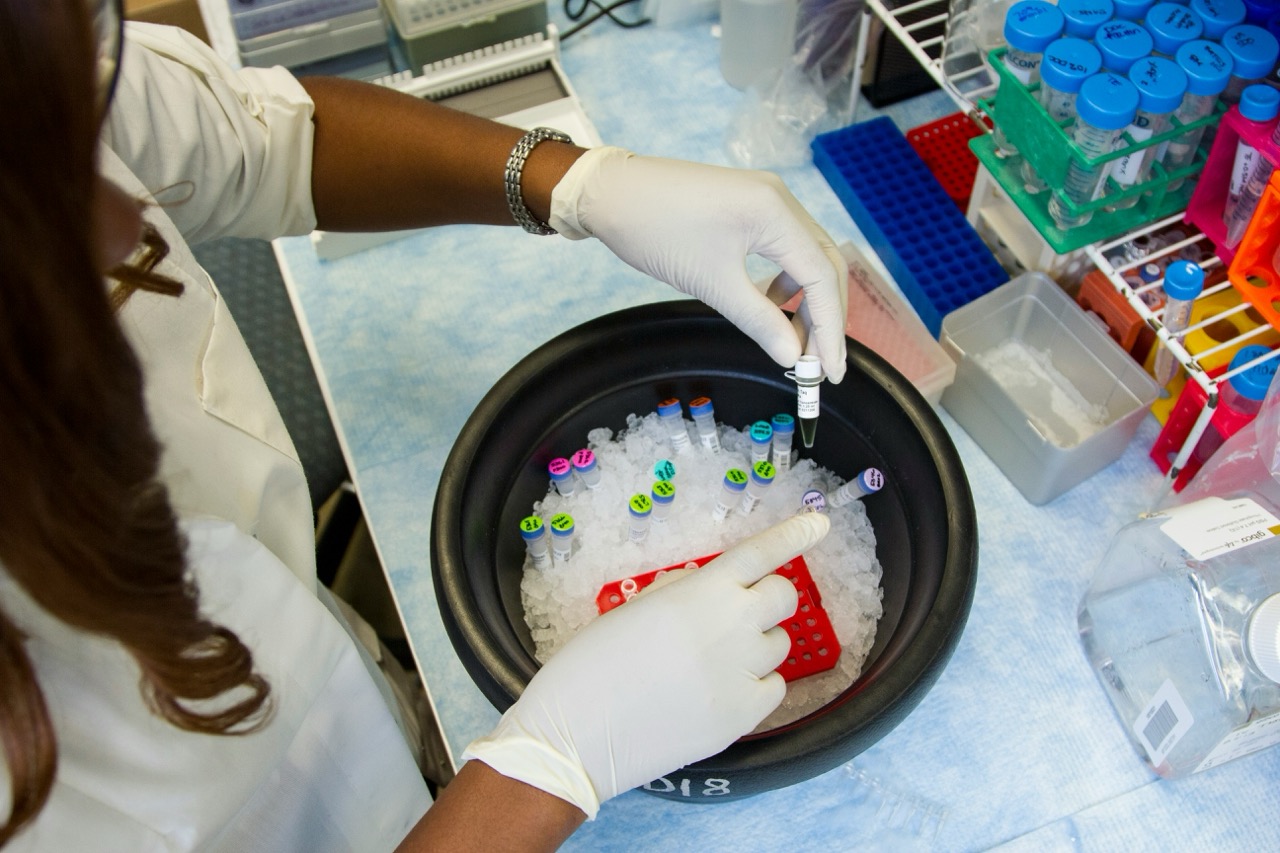
In an age where information is readily available, there’s still a veil of stigma surrounding sexual health and STD testing. Many individuals hesitate to undergo testing due to fear of judgment or misinformation. However, regular STD testing is essential for everyone, regardless of sexual orientation, activity, or relationship status. It not only promotes personal health but also contributes to community well-being. This article aims to demystify the importance of regular testing, break down barriers to access, and encourage a culture of understanding and care.
Understanding the Importance of Regular STD Testing for All
Regular STD testing is a crucial component of sexual health management, yet many people overlook it. STDs can often present with no symptoms, making it easy for individuals to unknowingly transmit infections to partners. According to the Centers for Disease Control and Prevention (CDC), nearly 20 million new STD cases occur in the U.S. each year, highlighting the widespread nature of these infections. Testing helps identify STDs early, allowing for prompt treatment that can prevent complications and further transmission.
Moreover, the psychological benefits of regular testing cannot be overstated. Knowing your status can provide peace of mind and build trust in relationships. Regular testing fosters open communication between partners about sexual health, which is vital for building a healthy sexual relationship. It also normalizes the conversation around sexual health, helping to break down the barriers that lead to stigma and misinformation.
It’s important to note that anyone who is sexually active, regardless of gender or sexual orientation, should consider regular testing. The CDC recommends annual testing for sexually active individuals, particularly those with multiple partners or whose partners may have unknown statuses. By incorporating testing into regular health care routines, we can prioritize our health and the health of our partners.
Breaking Down Barriers: Making Testing Accessible and Safe
Despite the clear benefits, many people face barriers to accessing STD testing. Stigma remains one of the most significant obstacles, often discouraging individuals from seeking help. The fear of judgment or misunderstanding can prevent those who need testing the most from accessing it. It’s crucial for health care providers to create a safe and welcoming environment where patients can discuss their concerns openly. By fostering an atmosphere of compassion and confidentiality, we can empower individuals to prioritize their sexual health without fear.
Accessibility is another critical factor. Many people may not know where to go for testing or may lack transportation or financial resources. Community health clinics, mobile testing units, and online telehealth options are increasingly available, making it easier than ever to get tested. Health organizations are working hard to provide low-cost or free testing options, ensuring that financial constraints do not prevent anyone from accessing vital health services.
Additionally, education plays a key role in breaking down these barriers. Comprehensive sexual health education can help dispel myths and misconceptions about STDs and testing. By promoting awareness, we encourage individuals to recognize the importance of regular testing as a fundamental aspect of their health. Informing people about the testing process, what to expect, and the significance of results can alleviate fears and misunderstandings, making them more likely to seek care.
Breaking the stigma around STD testing is essential for fostering a healthier society. Regular testing is not just a personal responsibility; it is a communal one that can help curb the spread of infections and empower individuals to take control of their sexual health. By promoting accessible and safe testing environments, we can ensure that everyone feels confident in seeking the care they need. Let us work together to normalize regular STD testing, encouraging open conversations and creating a culture of health, safety, and understanding for all.