




Gonorrhoea is a sexually transmitted infection (STI) that affects millions of people worldwide each year. Understanding the testing process and the associated turnaround times is crucial for individuals seeking to maintain their sexual health. Knowing how long it typically takes to receive test results can alleviate anxiety and help guide decisions regarding treatment and prevention. In this article, we’ll delve into the testing process for gonorrhoea, what influences the turnaround times, and why timely testing is essential.
Understanding Gonorrhoea Testing: How Long Does It Take?
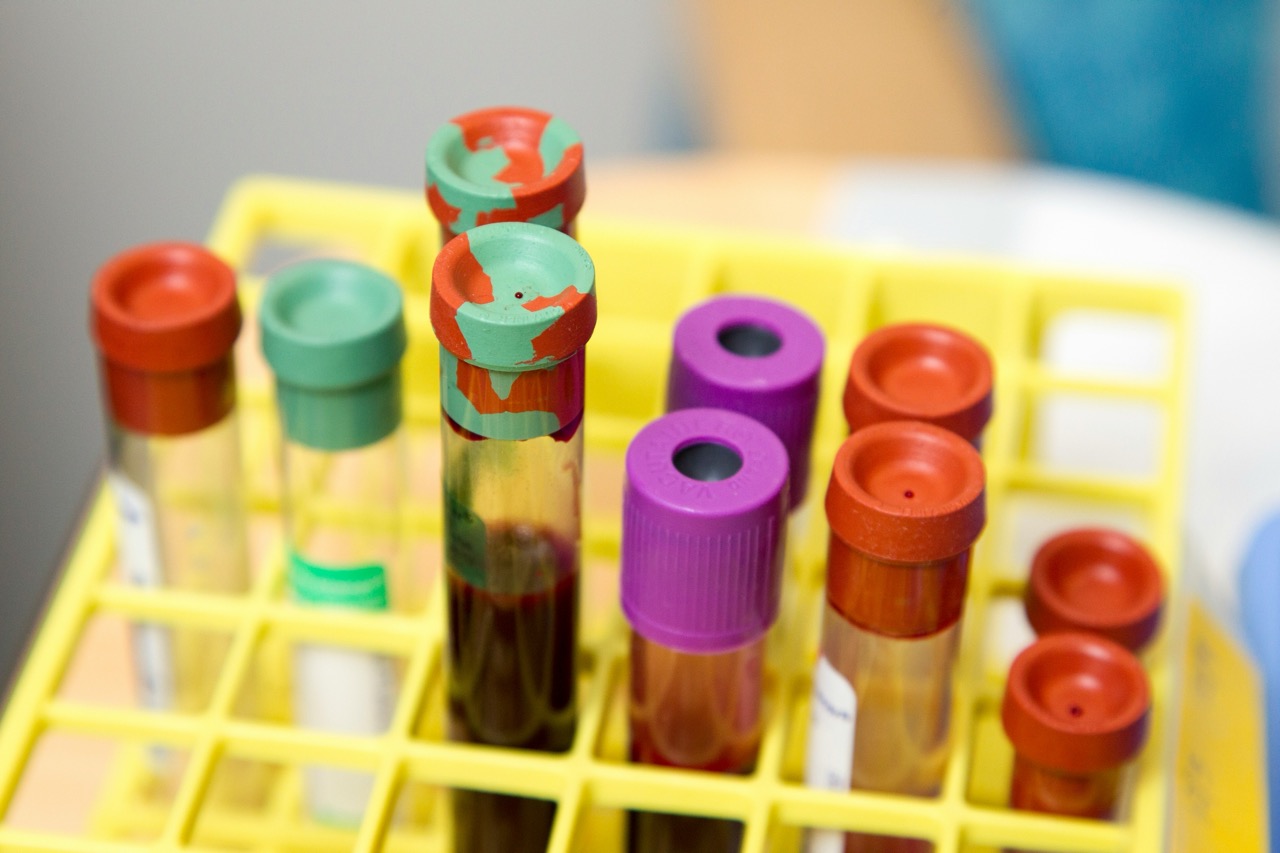
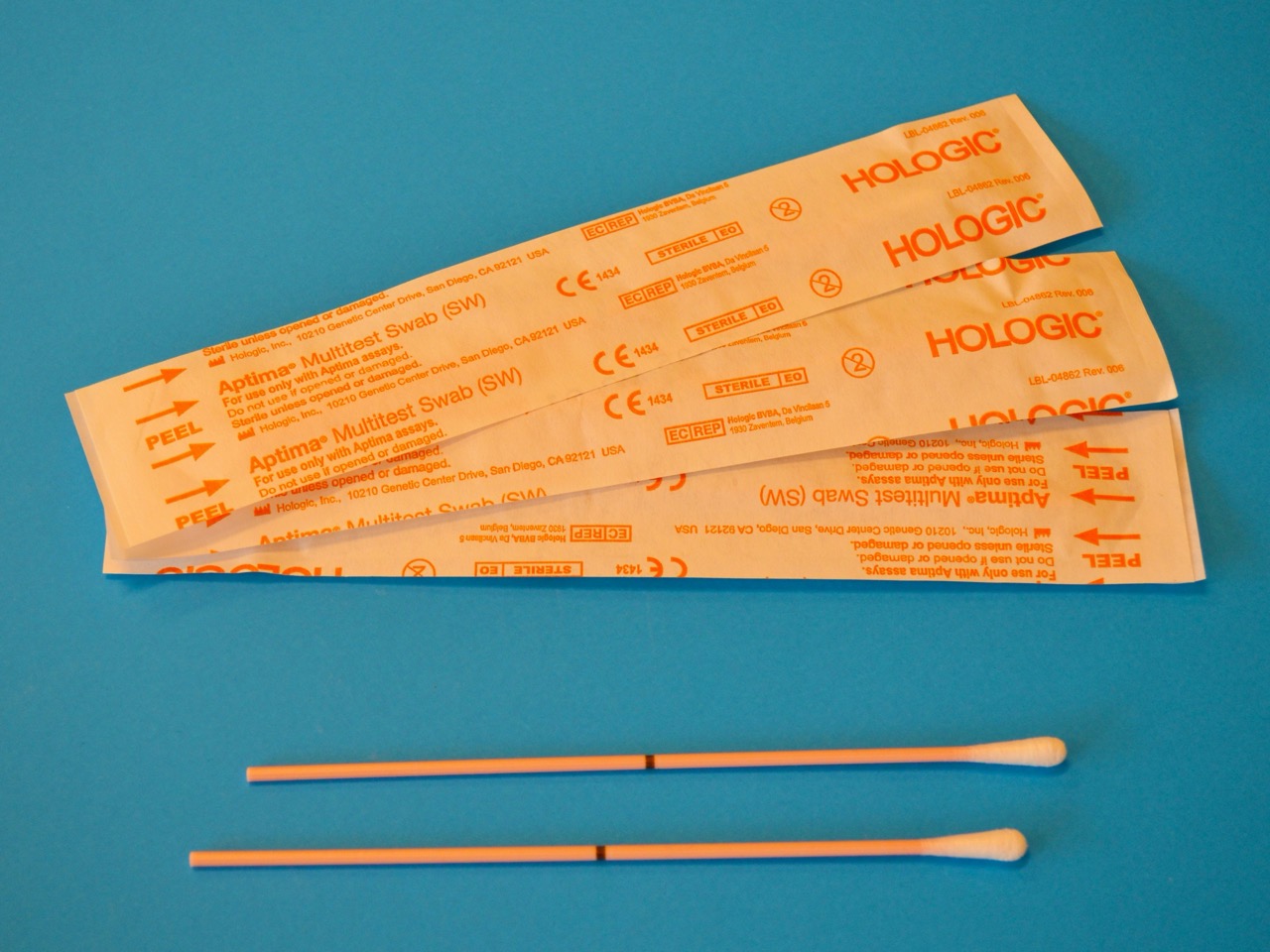
Gonorrhoea testing usually involves a simple procedure where samples are collected from the affected area—this could be a urine sample or a swab from the throat, urethra, or cervix. The method chosen may depend on the individual’s symptoms and sexual practices. Once samples are collected, they are sent to a laboratory for analysis. The time it takes to receive results can vary, but many clinics offer results within a few days, typically between 1 to 7 days.
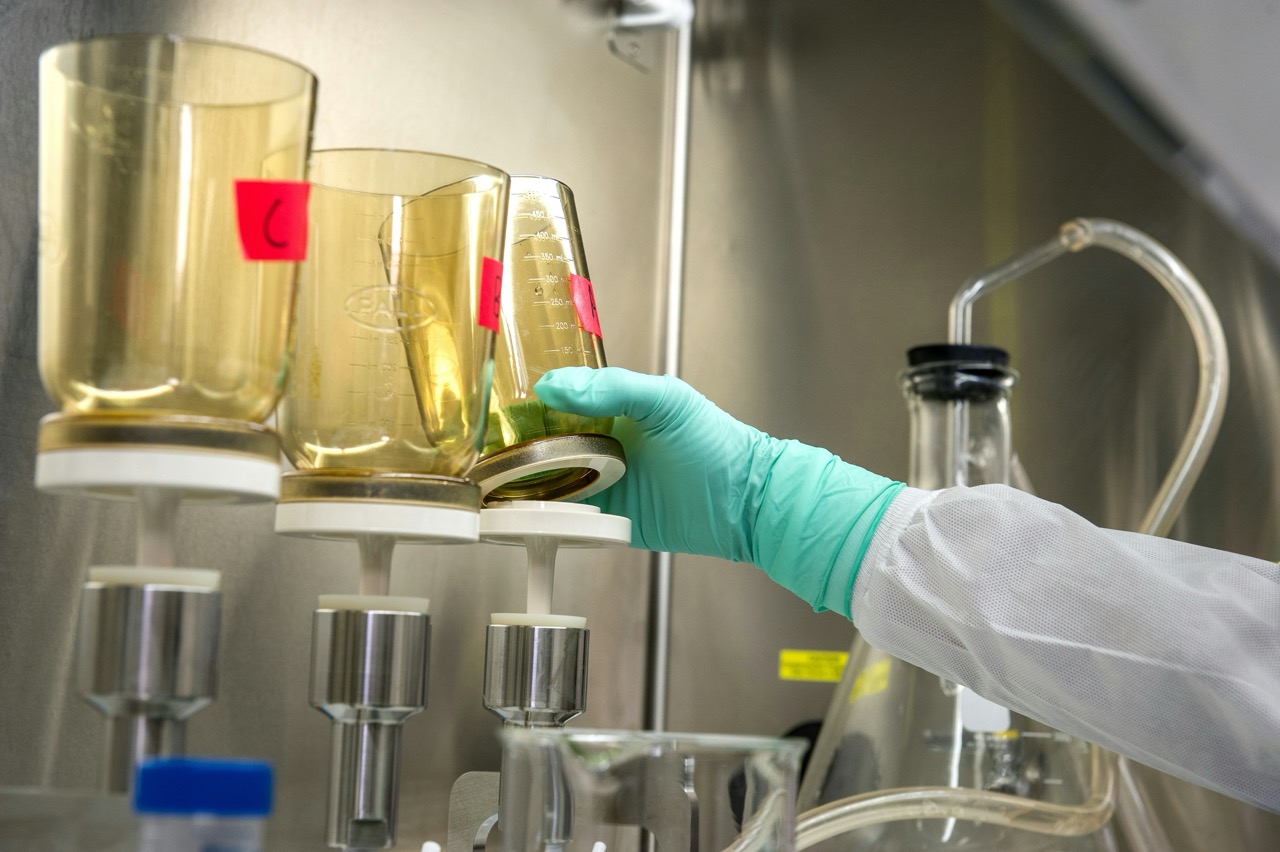
The turnaround time can be influenced by several factors including the specific test used, the laboratory’s processing speed, and the volume of tests being conducted at that time. For instance, some advanced testing methods like nucleic acid amplification tests (NAATs) may provide quicker results than traditional culture tests. It’s important to discuss with the healthcare provider what to expect based on the chosen testing method and their specific protocols.
While waiting for results, it’s advisable to avoid any sexual activity, particularly if you suspect you might have an STI. Early testing is key in preventing complications associated with untreated gonorrhoea, such as infertility or increased susceptibility to other STIs. Staying well-informed and prepared can empower individuals to take proactive steps in their sexual health journey.
Factors Influencing Turnaround Times for Gonorrhoea Tests
Several factors can impact the time it takes to receive gonorrhoea test results. One significant element is the type of healthcare facility where the testing is performed. Larger hospitals and specialized STI clinics might have more resources and advanced technology, allowing for faster processing compared to smaller clinics or community health centers. Additionally, the time of year can play a role; during peak times, such as STI awareness months, laboratories may experience a higher volume of samples, which can extend wait times.
Another factor is the methodology used for testing. Some tests require a longer incubation period to accurately detect the presence of the bacteria. For example, culture tests, which grow the bacteria in a lab setting, may take longer to yield results compared to NAATs, which can detect genetic material from the bacteria more rapidly. Understanding these differences can help individuals set realistic expectations and reduce anxiety while awaiting results.
Finally, communication with healthcare providers is vital. Many clinics now offer online portals through which patients can receive their results discreetly and securely. It’s important to ensure that you are aware of how and when your results will be communicated to you, along with any necessary follow-up steps. This awareness can empower individuals to take control of their health and make informed decisions based on their results.
In summary, understanding gonorrhoea testing and its associated turnaround times can significantly ease the stress often associated with STI testing. By being aware of the testing process and the various factors that can influence how long it takes to receive results, individuals can approach their sexual health with greater confidence and peace of mind. Remember, timely testing and open communication with healthcare providers are essential aspects of maintaining sexual health and preventing complications. Empower yourself with knowledge and seek testing when necessary—your health is a priority.