





===
Gonorrhoea is one of the most common sexually transmitted infections (STIs) affecting millions of people worldwide. Fortunately, many organizations and healthcare providers offer free gonorrhoea testing to help individuals understand their sexual health and obtain timely treatment if necessary. This article will explore the various options for free gonorrhoea testing and the eligibility criteria that determine who can access these services.
Understanding Free Gonorrhoea Testing: What You Need to Know
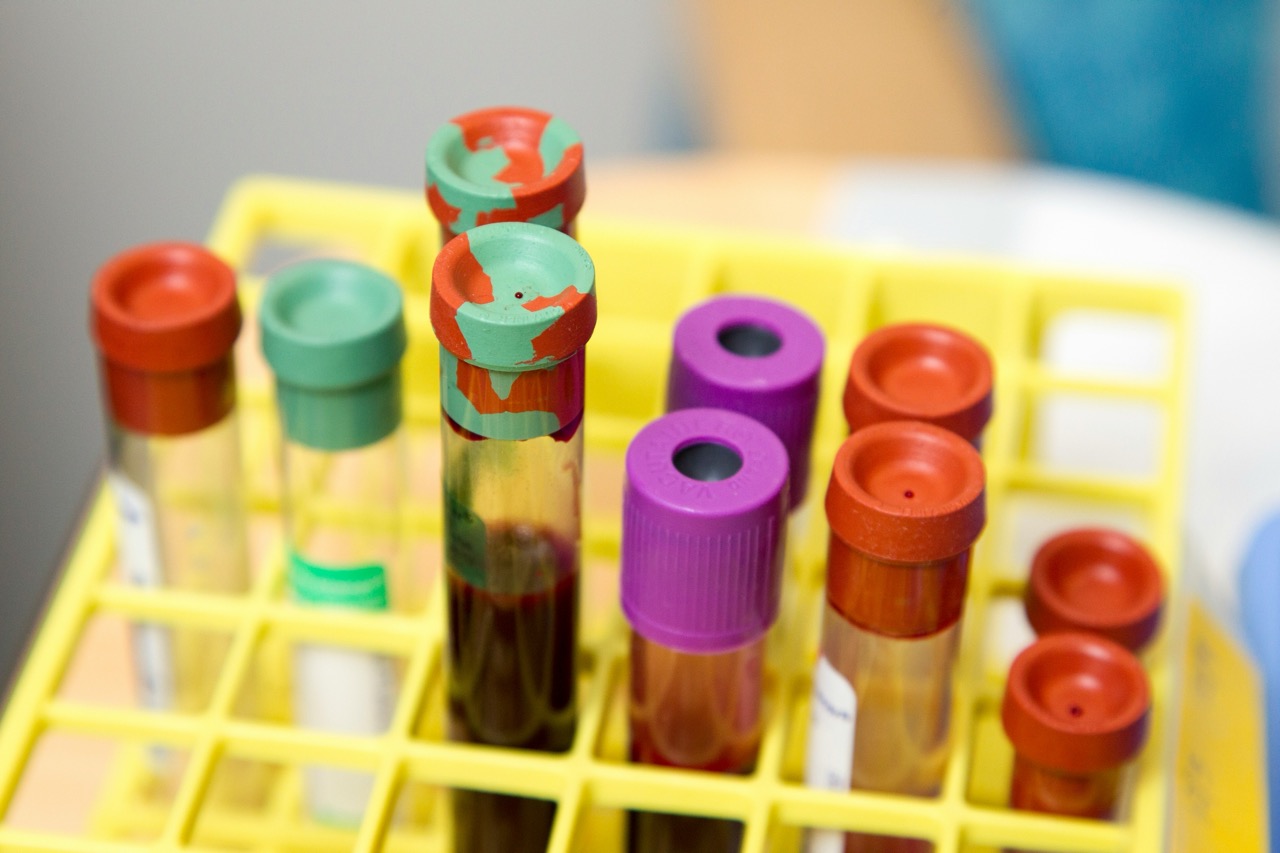
Free gonorrhoea testing options are available through various health organizations, including public health departments, non-profit organizations, and some private healthcare providers. These services are designed to promote sexual health awareness and prevent the spread of STIs. Testing is usually straightforward and involves either a urine sample or a swab from the affected area, such as the throat, urethra, or cervix. Results are typically available within a few days, allowing for prompt follow-up if treatment is necessary.
When you arrive for testing, healthcare providers will ensure that your visit is confidential and respectful. Many clinics prioritize your privacy and will conduct the testing in a way that minimizes any discomfort or embarrassment. It’s essential to be open about your sexual history and any symptoms you may be experiencing, as this information helps healthcare providers offer the most accurate diagnosis and effective treatment.
Individuals are encouraged to get tested regularly, especially if they have multiple sexual partners or engage in unprotected sex. Symptoms of gonorrhoea can often be mild or absent, making regular testing a crucial component of maintaining sexual health. Knowing your status not only protects you but also helps prevent the transmission of the infection to others.
Eligibility Criteria for Free Gonorrhoea Testing Services
Eligibility for free gonorrhoea testing can vary depending on the organization providing the service. Generally, many public health departments offer free testing to anyone who requests it, regardless of their insurance status or financial situation. Some non-profit organizations may focus on specific populations, such as young adults, LGBTQ+ individuals, or those at high risk for STIs. It’s essential to check with local clinics to understand their specific eligibility requirements.
In many cases, individuals under the age of 25 are targeted for free testing due to the increased risk of STIs in this age group. Additionally, those with a history of STIs or those who have recently had unprotected sex are often strongly encouraged to get tested. Several clinics also provide free testing during community health events, outreach programs, and sexual health fairs, aiming to reach as many individuals as possible.
While many services do not require proof of income or insurance, bringing identification or health insurance information may help streamline the process. It’s important to remember that the primary goal of these testing services is to ensure that everyone has access to the care they need without financial barriers. If you’re unsure about your eligibility, contacting a local health clinic or online resource can provide you with the information and support you need.
===
Understanding your options for free gonorrhoea testing is a crucial step toward maintaining your sexual health. By utilizing available resources, you can take charge of your wellbeing and help reduce the spread of infections within your community. Remember, testing is a responsible action that empowers you to make informed decisions about your sexual health and relationships. Don’t hesitate to reach out to local health services or organizations for support—your health and peace of mind matter.