






Regular health testing is an essential component of maintaining long-term wellness and preventing serious diseases. While many people might view testing as an inconvenience, the reality is that it is a proactive measure that can greatly reduce health risks. This article explores the importance of regular health testing, particularly in the context of sexually transmitted infections (STIs) and sexual health. By understanding the benefits of testing, individuals can take control of their health and ensure a brighter future.
Understanding the Importance of Regular Health Testing
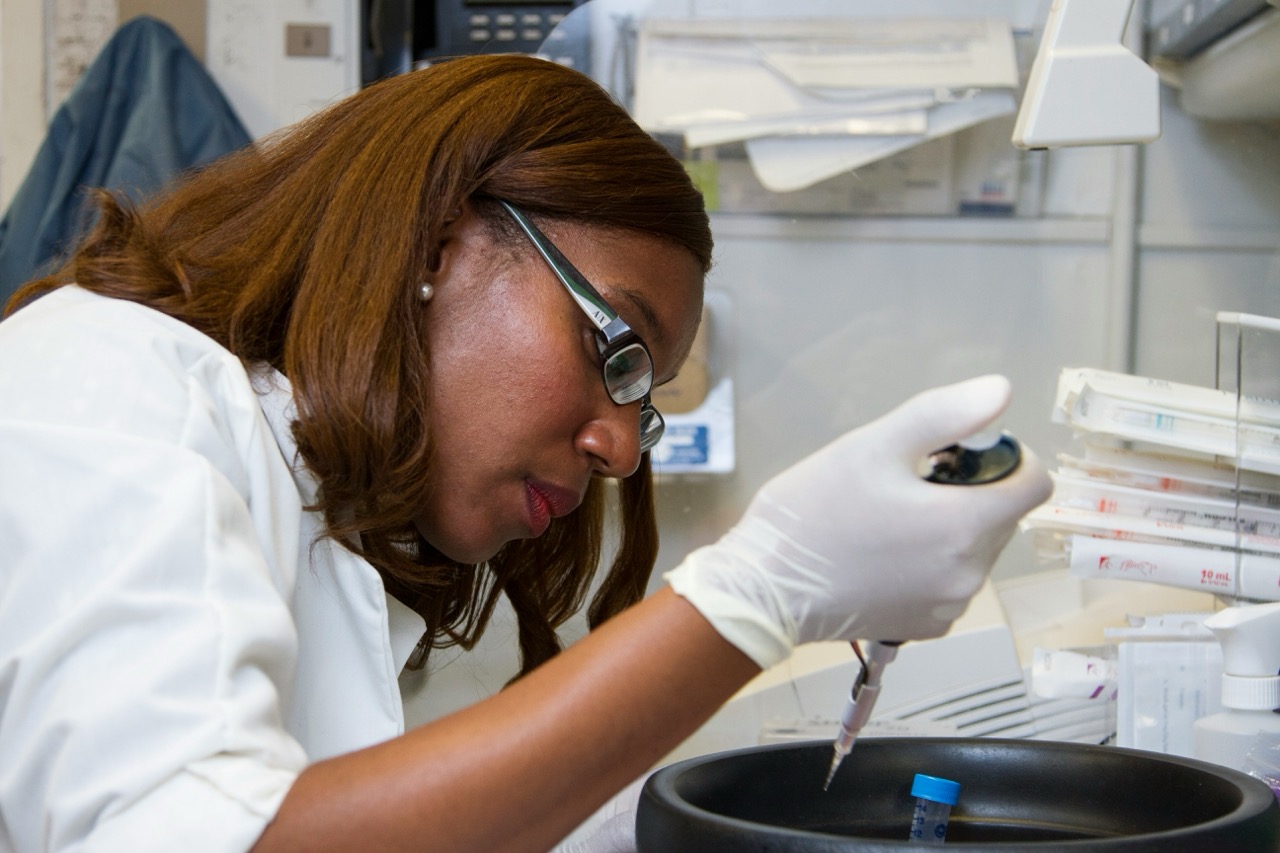
Regular health testing serves as a critical tool for monitoring well-being and identifying potential health issues before they progress. Testing not only helps individuals stay informed about their health status but also provides essential data for healthcare providers to recommend appropriate treatments or lifestyle changes. Particularly in the realm of sexual health, routine screenings can identify infections that may not present noticeable symptoms, allowing for timely intervention.
Moreover, regular testing fosters a culture of health awareness and responsibility. When individuals prioritize their health through consistent check-ups, they set a positive example for their peers and community. This collective emphasis on health can reduce the stigma surrounding STIs and encourage others to seek necessary testing. By normalizing conversations about health screenings, society can create a more informed population that takes proactive measures against infections and diseases.
Finally, understanding the importance of regular testing goes hand-in-hand with recognizing the various types of tests available. From blood tests to urine samples, there are numerous methods for detecting sexually transmitted infections, each with its own advantages. Being informed about these options enables individuals to make educated decisions about what tests are appropriate for them, further enhancing their overall health strategy.
How Testing Can Identify Risks Before They Escalate
One of the most significant benefits of regular health testing is its ability to identify risks before they escalate into severe health issues. For instance, many STIs, such as chlamydia and gonorrhea, can go unnoticed for extended periods. If left untreated, these infections can lead to complications such as infertility or chronic pain. Regular screenings help detect these infections early, allowing for prompt treatment and preventing long-term health consequences.
Additionally, testing can uncover other risk factors that may not be immediately apparent. Routine blood tests can reveal high cholesterol levels or diabetes, conditions that require management to avoid more severe complications in the future. By staying vigilant and obtaining regular health assessments, individuals can address these risks before they escalate, leading to better health outcomes over time.
Furthermore, early identification of health threats not only benefits the individual but also contributes to public health. By reducing the spread of infections like STIs, individuals can protect their partners and the community at large. This communal approach to health helps create a safer environment for everyone, emphasizing the importance of regular testing as a shared responsibility.
The Role of Early Detection in Long-Term Wellness
Early detection plays a pivotal role in ensuring long-term wellness. When health issues are identified early, there is a greater chance of effective treatment, which can lead to improved health outcomes. For instance, treating an STI during its early stages typically involves less complex treatments and helps prevent long-lasting health effects. By prioritizing screening, individuals can manage their health proactively rather than reactively.
Moreover, early detection can significantly reduce healthcare costs over time. Addressing health concerns before they escalate often means less intensive treatments and fewer hospital visits, leading to overall savings. Regular testing can thus be viewed not just as a health investment but as a financial one as well, as it minimizes the risk of unexpected health crises that can result in hefty medical bills.
Additionally, the psychological benefits of early detection cannot be overlooked. Knowing your health status can alleviate anxiety and provide peace of mind. It allows individuals to make informed decisions about their sexual health, relationships, and lifestyle choices. Regular testing empowers individuals to take control of their health, fostering a sense of agency that is crucial for long-term wellness.
Empowering Yourself Through Knowledge and Regular Screenings
Empowerment begins with knowledge, and regular health testing is a significant step in that direction. Understanding one’s health status allows individuals to make informed choices about their bodies and their lives. The more knowledge one has about STIs, their symptoms, and the importance of testing, the more empowered they will feel to seek help and advocate for their health needs.
Moreover, regular screenings provide a pathway to establish a trusting relationship with healthcare providers. This relationship is crucial for open discussions about health concerns, prevention strategies, and treatment options. When individuals feel comfortable approaching their healthcare providers, they are more likely to engage in regular testing and follow through with necessary treatments, ensuring a proactive approach to their health.
Finally, empowering oneself through knowledge means not just understanding the importance of regular testing but also knowing how to interpret results and take action accordingly. Many testing facilities provide resources and support to help individuals understand their results, and guidance on next steps. This knowledge equips individuals to reduce their risk of STIs and other health issues, fostering a healthier lifestyle overall.
In conclusion, regular health testing is a vital practice that can significantly reduce long-term health risks. By understanding its importance, identifying risks early, and empowering oneself through knowledge, individuals can take proactive steps toward maintaining their health and well-being. In the realm of sexual health, routine testing not only protects individuals but also the broader community, fostering a culture of responsibility, awareness, and care. Remember, taking charge of your health is an act of self-love and empowerment, and regular testing is an essential part of that journey.