






In the realm of sexual health, understanding sexually transmitted infections (STIs) is crucial, especially for new partners. Chlamydia, a common yet often asymptomatic infection, poses a hidden threat to individuals engaging in sexual relationships. This article explores why chlamydia testing is essential for new partners, emphasizing its role in safeguarding health, preventing transmission, and promoting overall well-being.
Understanding Chlamydia: A Hidden Threat for New Partners
Chlamydia is one of the most prevalent STIs globally, yet many individuals are unaware they have it due to the lack of symptoms. For new partners, this becomes particularly concerning, as the infection can be transmitted through unprotected sexual contact. Understanding the nature of chlamydia is crucial; it can lead to serious complications if left untreated, including infertility and increased risk of HIV.
Moreover, the asymptomatic nature of chlamydia means that individuals can unknowingly spread the infection. New partners may not have a comprehensive sexual history, making it even more critical to address potential risks upfront. Knowledge about chlamydia’s prevalence and its hidden threats underscores the importance of proactive testing and communication between partners.
Finally, it’s essential to recognize that chlamydia can affect anyone, regardless of age, gender, or sexual orientation. By prioritizing testing, new partners can contribute to a culture of awareness and responsibility, fostering healthier sexual relationships and reducing the overall incidence of STIs in the community.
The Importance of Testing: Protecting Your Sexual Health
Testing for chlamydia is a vital step in protecting your sexual health and that of your partner. Engaging in regular testing can help identify infections early, allowing for prompt treatment. This is particularly important for new partners, who may not yet have established trust or communication about their sexual histories. By getting tested, each partner demonstrates care for the other’s well-being.
Additionally, knowing your status allows you to make informed decisions about your sexual practices. If you test negative, you can feel more confident engaging in unprotected sex, while a positive result ensures you can take immediate actions to treat the infection and prevent further spread. In this way, testing not only protects individuals but also the community at large.
Lastly, undergoing chlamydia testing contributes to a broader culture of sexual health awareness. It encourages open discussions about sexual health, reduces stigma surrounding STIs, and empowers individuals to prioritize their health. As new partners, taking this step can strengthen your relationship and foster a supportive environment conducive to healthy intimacy.
How and When to Get Tested for Chlamydia Effectively
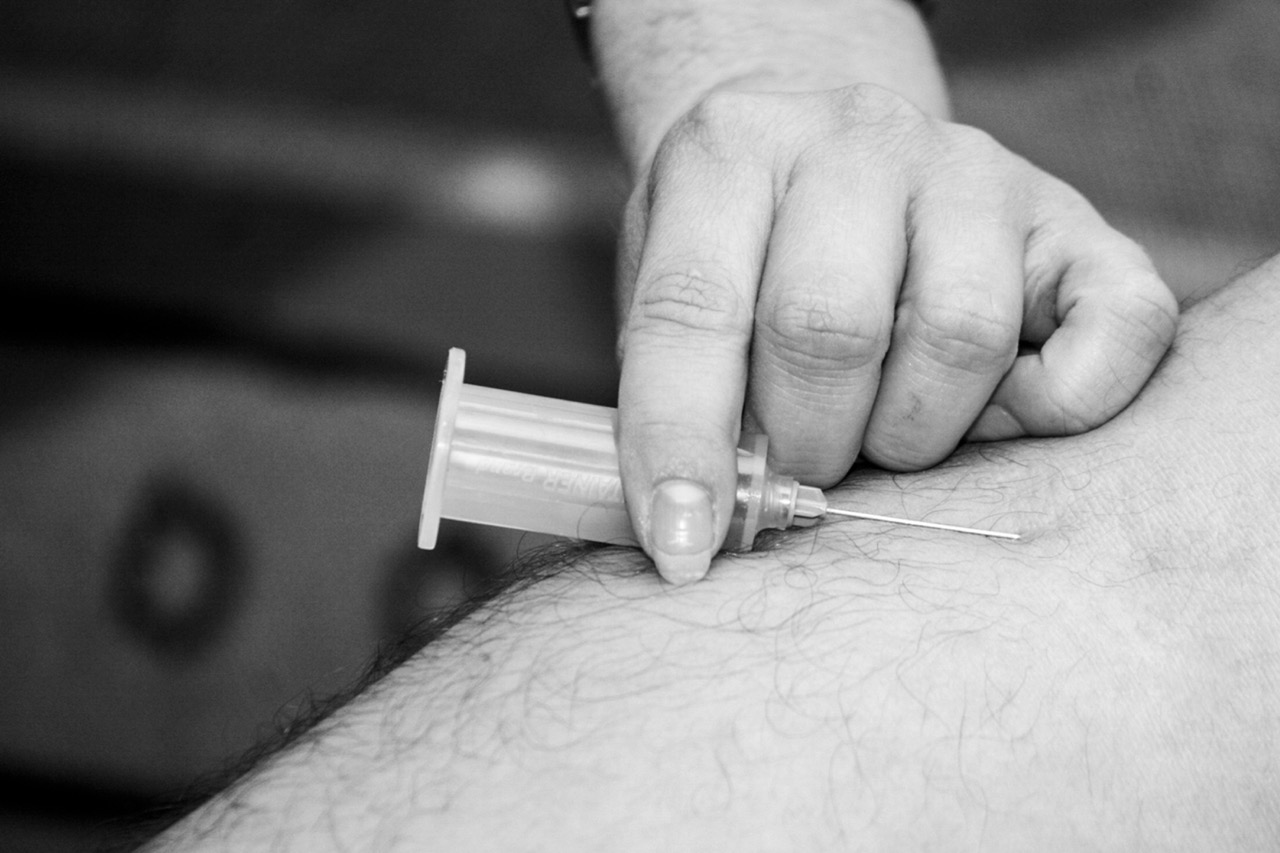
Getting tested for chlamydia is a straightforward process that can typically be done through a healthcare provider or at a local clinic. Testing methods often include urine samples or swabs, making it relatively non-invasive. Most importantly, it’s essential to get tested after engaging in new sexual relationships or if you suspect exposure to an STI. Experts recommend testing approximately two weeks after potential exposure, as this allows time for the infection to become detectable.
Regular testing is also crucial for those with new partners, as the CDC suggests sexually active individuals get tested at least once a year. If you have multiple partners or engage in high-risk sexual behavior, more frequent testing may be necessary. By adhering to a testing schedule, you can stay informed about your sexual health and reduce the risk of complications associated with untreated chlamydia.
In addition, many health centers offer confidential and sometimes free testing, ensuring accessibility for everyone. Taking advantage of these resources not only promotes individual health but also contributes to collective efforts in controlling STIs within the community.
Interpreting Your Results: What Comes Next After Testing
Understanding your test results is a crucial step in managing your sexual health. If your chlamydia test comes back positive, it’s important not to panic. Chlamydia is highly treatable with antibiotics, and your healthcare provider will guide you through the next steps. You should inform any sexual partners so they can get tested and treated, preventing further transmission of the infection.
On the other hand, if your test results are negative, it’s still essential to continue practicing safe sex. Regular testing remains important, especially with new partners, to ensure that your sexual health remains a priority. Open discussions with your partner about sexual health and testing can also build trust and understanding in the relationship.
Ultimately, both positive and negative results provide valuable information. A positive result indicates the need for prompt treatment, while a negative result allows for peace of mind. Regardless of the outcome, the key takeaway is that testing and open communication are vital components of a healthy sexual relationship.
In conclusion, chlamydia testing is an essential practice for new partners seeking to foster a healthy and responsible sexual relationship. Understanding the risks associated with chlamydia, prioritizing testing, and effectively interpreting results are all key steps in maintaining sexual health. By empowering yourselves with knowledge and communication, you can navigate new relationships with confidence and care, ultimately contributing to a healthier community.