





Sexual assault is a deeply traumatic experience that can have lasting physical and emotional effects. Among the many health concerns that arise following such an incident, sexually transmitted infections (STIs) like chlamydia can pose significant risks. Understanding the importance of chlamydia testing after sexual assault not only aids in ensuring physical health but also plays a crucial role in the emotional recovery journey. This article explores the risks associated with chlamydia, the necessity of testing after an assault, and the support available to survivors during this challenging time.
Understanding Chlamydia: Risks and Symptoms Explained
Chlamydia is a common sexually transmitted infection caused by the bacteria Chlamydia trachomatis. It often goes unnoticed because many individuals do not exhibit symptoms. When symptoms do occur, they may include abnormal vaginal or penile discharge, burning sensation during urination, and abdominal pain. If left untreated, chlamydia can lead to severe complications, such as pelvic inflammatory disease (PID), infertility, and increased susceptibility to other STIs, including HIV.
The asymptomatic nature of chlamydia makes it particularly concerning for survivors of sexual assault. Without regular testing, individuals may remain unaware of their infection status and risk long-term health consequences. The potential for developing serious complications underscores the necessity for post-assault chlamydia testing. Catching the infection early can lead to successful treatment, minimizing the risk of further health issues down the line.
Moreover, understanding the risks associated with chlamydia can empower individuals to seek testing proactively. Knowledge about the infection, its transmission, and its potential consequences can foster a sense of agency during the recovery process. Survivors should not feel stigmatized; instead, they should be encouraged to take control of their sexual health following an assault.
The Importance of Testing After a Sexual Assault Incident
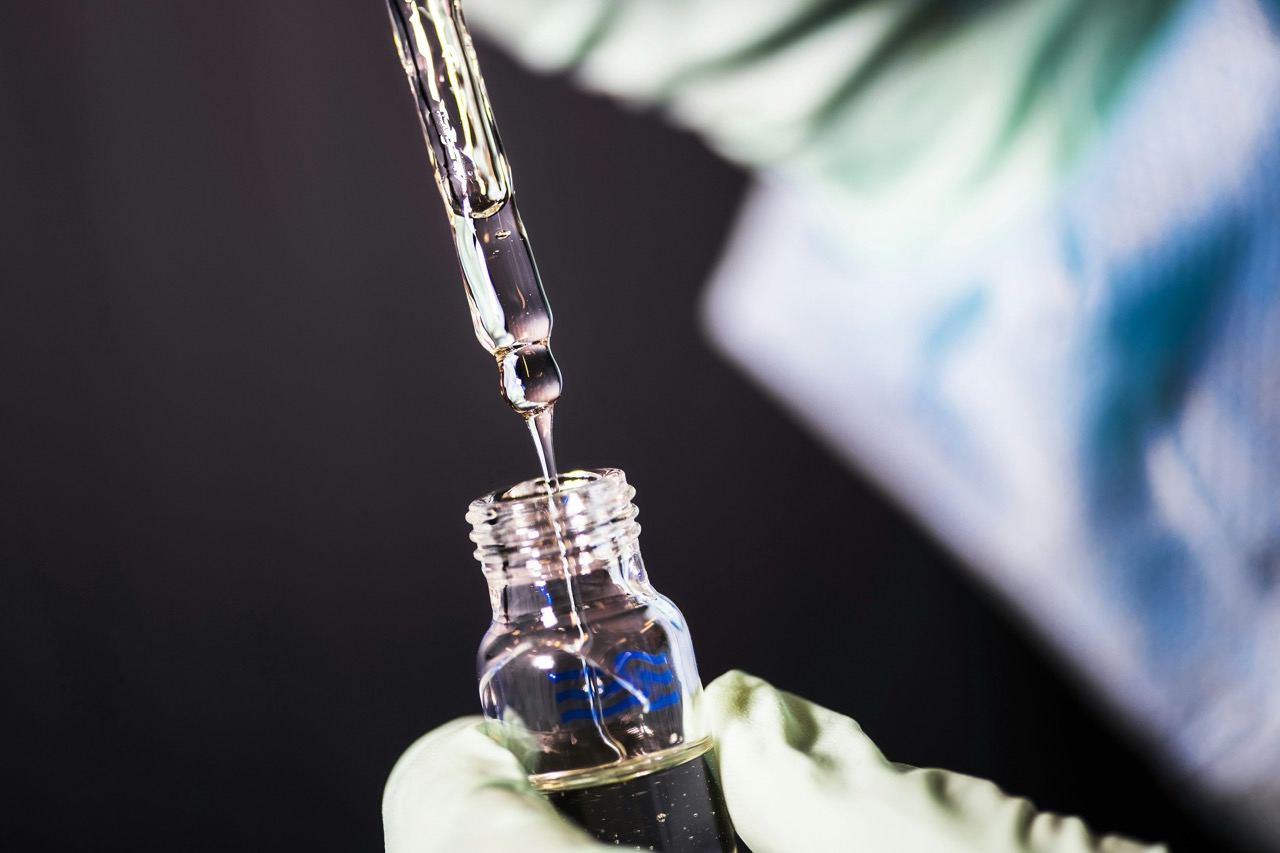
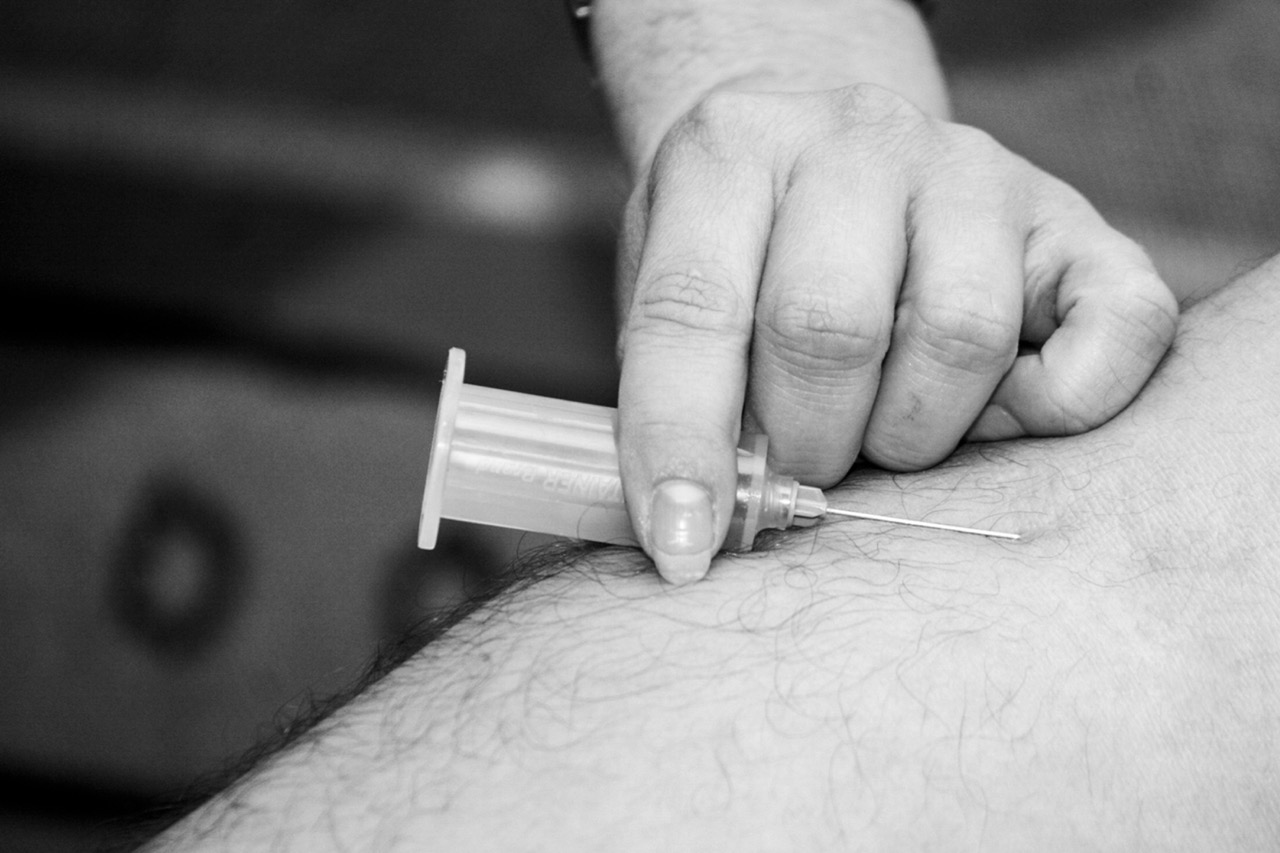
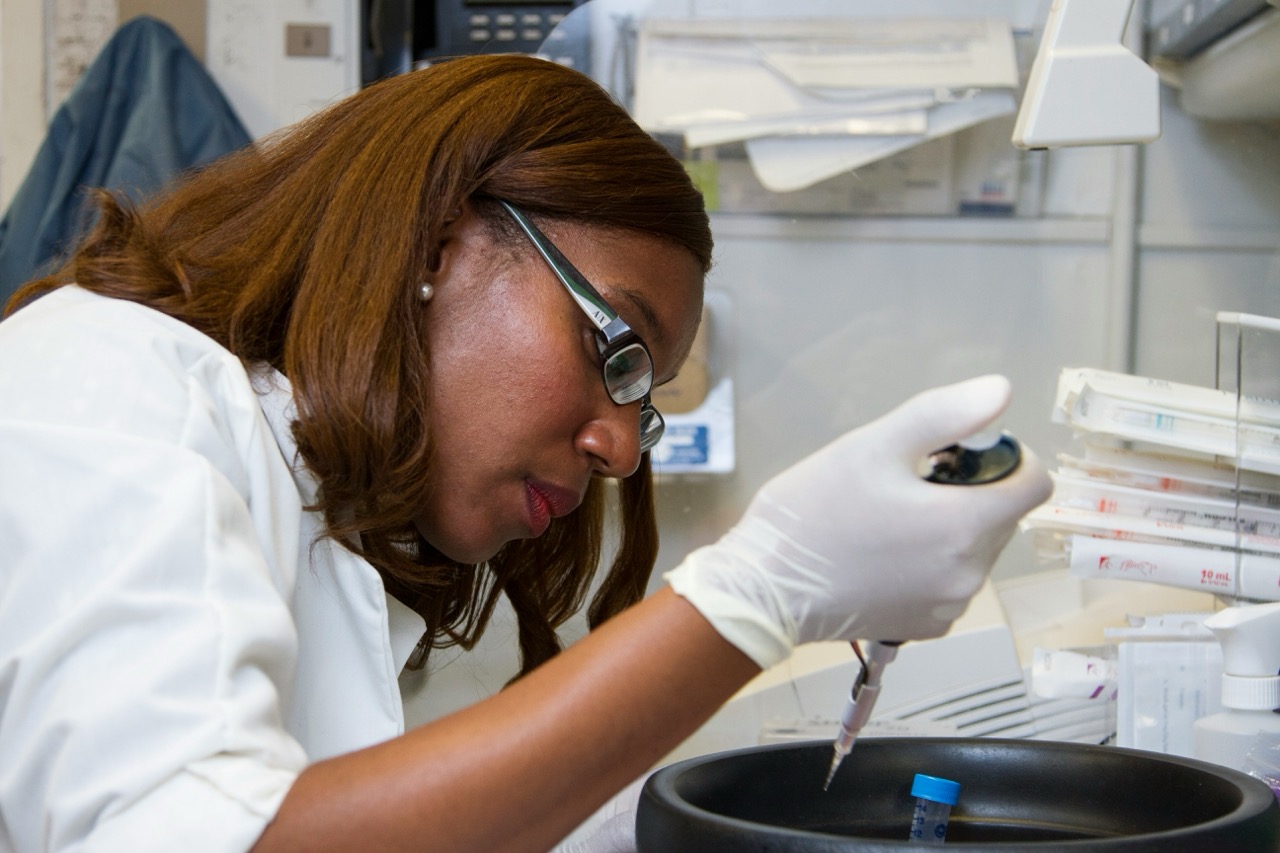
Testing for chlamydia (and other STIs) after a sexual assault is a vital step in safeguarding one’s health. The immediate aftermath of such an incident can be overwhelming, but knowing that testing is available can provide a sense of direction. Medical professionals recommend getting tested as soon as possible, ideally within a few days of the assault, to ensure accurate results. Subsequent follow-up testing may also be necessary, as some infections may not be detectable immediately.
In addition to the physical health implications, testing serves as an important psychological step in the recovery journey. For many survivors, taking proactive measures to address their health can restore a sense of control during a time when they may feel powerless. The process of testing can demonstrate that their health matters and that they deserve to take care of themselves, physically and emotionally.
Furthermore, regular testing and treatment can help reduce the spread of chlamydia in the community. By addressing infections promptly, survivors not only protect themselves but also contribute to the collective health of their partners and the wider community. This collective approach emphasizes the importance of sexual health awareness and encourages open conversations about STIs.
How Chlamydia Testing Can Impact Your Recovery Journey
The emotional and psychological implications of sexual assault can be profound. Chlamydia testing can serve as a crucial part of a survivor’s recovery journey. Knowing their health status can provide clarity and peace of mind, allowing individuals to focus on healing rather than uncertainty. When survivors take proactive steps toward their health, they often feel empowered, which is essential for emotional recovery.
Additionally, testing and subsequent treatment can alleviate the anxiety that may accompany the fear of long-term health issues. The possibility of complications from untreated chlamydia can weigh heavily on a survivor’s mind. By getting tested and treated, individuals can shift their focus from fear to healing, fostering a more positive mindset as they navigate their recovery process.
Support systems, both formal and informal, play a significant role in this journey. Many healthcare facilities provide counseling services alongside testing, creating a holistic approach to care. Engaging with healthcare professionals who understand the trauma of sexual assault can help survivors feel validated and supported, making the experience less daunting.
Navigating Privacy and Support During the Testing Process
Understanding the rights to privacy during the testing process is crucial for survivors of sexual assault. Confidentiality is a fundamental principle in healthcare, particularly regarding sensitive issues like STIs. Survivors should feel assured that their health information will be kept private, and they can seek testing without fear of judgment or disclosure.
Many healthcare providers offer anonymous testing options, which can further enhance the sense of safety for individuals who may feel vulnerable. It’s essential for survivors to inquire about the privacy measures in place at their chosen facility and to feel empowered to advocate for their rights. Understanding these options can make the process feel less intimidating and more manageable.
Support networks can significantly ease the burden of navigating the testing process. Friends, family, or support groups can provide emotional backing and even accompany survivors to appointments if desired. Knowing that they are not alone can foster resilience and encourage individuals to prioritize their health and well-being.
In conclusion, chlamydia testing is a crucial step for survivors of sexual assault, not only for managing physical health but also for supporting emotional recovery. The potential risks associated with chlamydia and other STIs make it imperative for individuals to seek testing as part of their healing journey. With a focus on privacy, empowerment, and support, survivors can navigate this challenging time with the reassurance that they are taking important steps towards reclaiming their health and well-being. It is essential to remember that seeking help is a sign of strength, and no one should face this journey alone.