




===
Chlamydia is one of the most commonly reported sexually transmitted infections (STIs) worldwide, often referred to as a "silent" infection due to its frequently asymptomatic nature. Understanding when to request a chlamydia swab test is crucial for early detection and treatment. Regular testing not only contributes to personal health but also plays a vital role in public health efforts to reduce the spread of STIs. This article aims to guide you through the symptoms, risks, and the testing process itself, ensuring you feel informed and empowered about your sexual health.
Understanding Chlamydia: Symptoms and Risks You Should Know
Chlamydia is caused by the bacterium Chlamydia trachomatis and can affect both men and women. Symptoms often include abnormal genital discharge, burning during urination, and pain during intercourse for women, while men may experience a discharge from the penis, burning during urination, or swelling in the testicles. However, many people may not exhibit symptoms at all, making it essential to seek testing even if you’re feeling fine.
Not addressing a chlamydia infection can lead to serious health complications. In women, untreated chlamydia can result in pelvic inflammatory disease (PID), which can cause infertility, chronic pain, and complications during pregnancy. Men can also face risks such as urethritis and, in rare cases, infertility. Understanding these risks highlights the importance of regular testing, especially if you’re sexually active or have multiple partners.
Awareness of your sexual health is paramount. Keeping track of your body and being mindful of any changes is essential. If you suspect you may have been exposed to chlamydia or have any of the aforementioned symptoms, it’s important to take action promptly. Regular check-ups are not only a good practice for your health but also demonstrate a responsible approach to sexual activity.
Key Situations That Warrant a Chlamydia Test Request
One of the primary reasons to request a chlamydia swab test is if you have had unprotected sex. This includes sexual encounters without the use of condoms or dental dams, which significantly reduce the risk of transmitting STIs. If you’ve had multiple partners or a new partner, a test can provide peace of mind and help protect your health and that of your partners.
Another key situation is if you are experiencing any symptoms related to chlamydia. Even if symptoms are mild or seem manageable, it’s wise to get tested. Early detection allows for prompt treatment, which not only alleviates discomfort but also helps prevent complications associated with untreated infections. Additionally, routine screening is recommended for sexually active individuals under the age of 25, even in the absence of symptoms.
Lastly, if your partner has been diagnosed with chlamydia, it’s essential to get tested, regardless of whether you show symptoms. Chlamydia can be easily transmitted and often goes unnoticed. By proactively seeking testing, you can ensure your health and contribute to reducing the spread of infections within your community.
What to Expect During a Chlamydia Swab Test Process
When you decide to request a chlamydia swab test, the process is usually straightforward and quick. A healthcare provider will guide you through the necessary steps, which may include a physical examination and a discussion of your sexual health history. Many clinics prioritize confidentiality and create a safe, nonjudgmental environment where you can comfortably discuss your concerns.
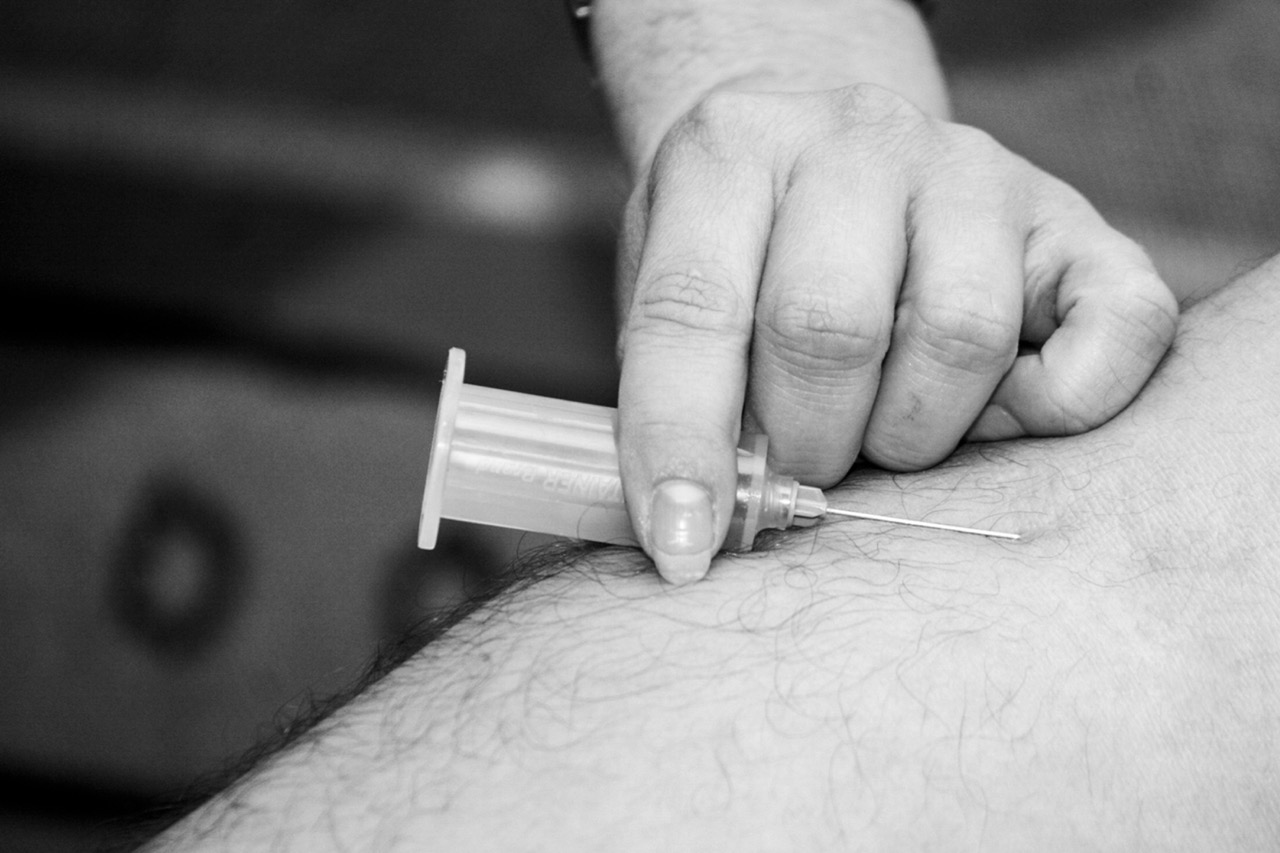
The actual testing process usually involves collecting a sample from the affected area. For women, this may involve a swab of the cervix, while men may receive a swab from the urethra. In some cases, a urine sample may also be requested. The entire process typically takes just a few minutes, and most people experience minimal discomfort.
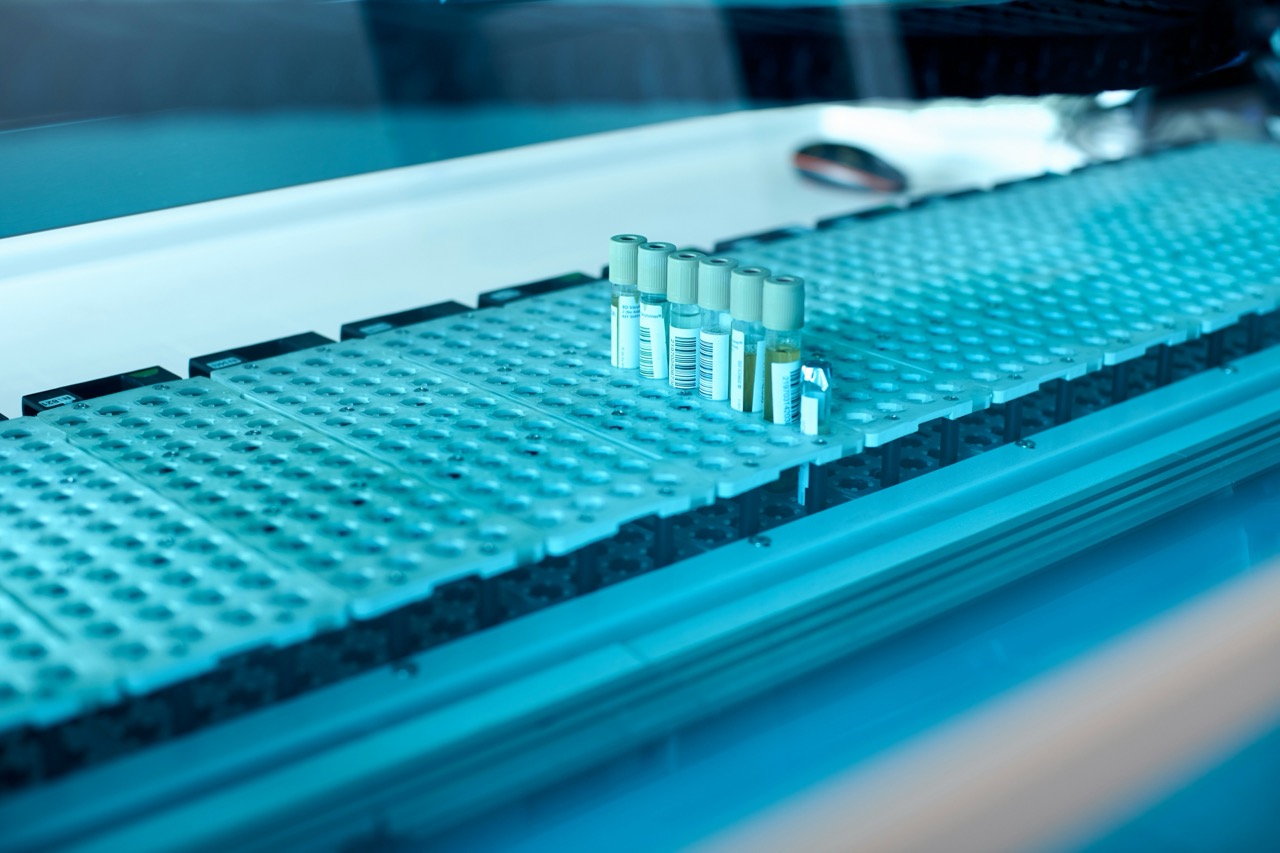
After the sample is collected, it is sent off to a laboratory for analysis. Many clinics provide information on how long results will take, which can range from a few hours to several days. If you’re anxious about the results, don’t hesitate to ask for support or resources to help you manage any stress you may feel during the waiting period.
Interpreting Your Results: Next Steps for Your Health
Once you receive your chlamydia test results, it’s crucial to understand what they mean for your health. A positive result indicates that you have been infected and require treatment, which is typically straightforward. Chlamydia can be effectively treated with antibiotics, and it’s important to complete the full course as prescribed, even if symptoms subside.
If your test results are negative, this is certainly good news, but it doesn’t mean you’re immune to future infections. Staying vigilant and continuing to practice safe sex is essential for long-term sexual health. Regular screenings, especially if you remain sexually active, are recommended to ensure you stay informed about your status.
In either case—positive or negative—discuss your results with your healthcare provider. They can offer guidance on treatment options, safe sex practices, and other preventive measures. Remember, seeking help and staying informed is a critical step in taking charge of your sexual health.
===
Navigating the world of sexual health and STI testing can feel overwhelming at times, but being proactive about your health is a powerful choice. Understanding when to request a chlamydia swab test, knowing the symptoms and risks, and what to expect during the process are all vital components of taking charge of your sexual health. By prioritizing regular testing and maintaining open communication with healthcare providers, you can safeguard not just your wellbeing, but also that of your partners. Always remember that sexual health is an important aspect of overall health, deserving of attention and care.