





===
Understanding the process of getting tested for gonorrhoea can alleviate anxiety and help you make informed decisions about your sexual health. Gonorrhoea, a common sexually transmitted infection (STI), can affect both men and women, often showing no symptoms. Therefore, regular testing is crucial, especially for sexually active individuals. This article aims to guide you through what to expect during a gonorrhoea test appointment, ensuring you feel prepared and comfortable.
Understanding the Gonorrhoea Test: What to Expect During Your Visit
When you arrive for your gonorrhoea test, you can expect a friendly and professional environment. Healthcare providers prioritize your privacy and comfort, so you will likely be taken to a private room to discuss your sexual health history. It’s essential to be honest about your sexual practices, as this information helps the healthcare provider understand your risk factors and guide appropriate testing. Remember, the visit is confidential, and healthcare providers are trained to handle sensitive topics without judgment.
You may be asked about any symptoms you might be experiencing, such as unusual discharge, pain during urination, or abdominal discomfort. Even if you don’t have symptoms, it’s important to discuss your sexual partners and any recent exposure to STIs. This information can help the provider decide on the best testing procedure. If you have concerns or questions about the testing process, don’t hesitate to ask; your comfort is a priority.
After discussing your medical history, the healthcare provider will explain the testing methods. Gonorrhoea tests typically involve urine samples or swabs from the genital area, throat, or rectum, depending on your sexual practices. Understanding the testing methods can help alleviate anxiety, as you will know what to expect during the sample collection.
Steps Involved in a Gonorrhoea Test Appointment Explained
The first step in the testing process usually involves a necessary intake form or questionnaire, which might include questions about your health history and sexual behavior. After filling out these forms, you will meet with a healthcare professional who will review your information. They will explain the importance of testing and provide you with details on what the test entails. This is a good time to ask any questions you have about the procedure or concerns regarding STIs in general.
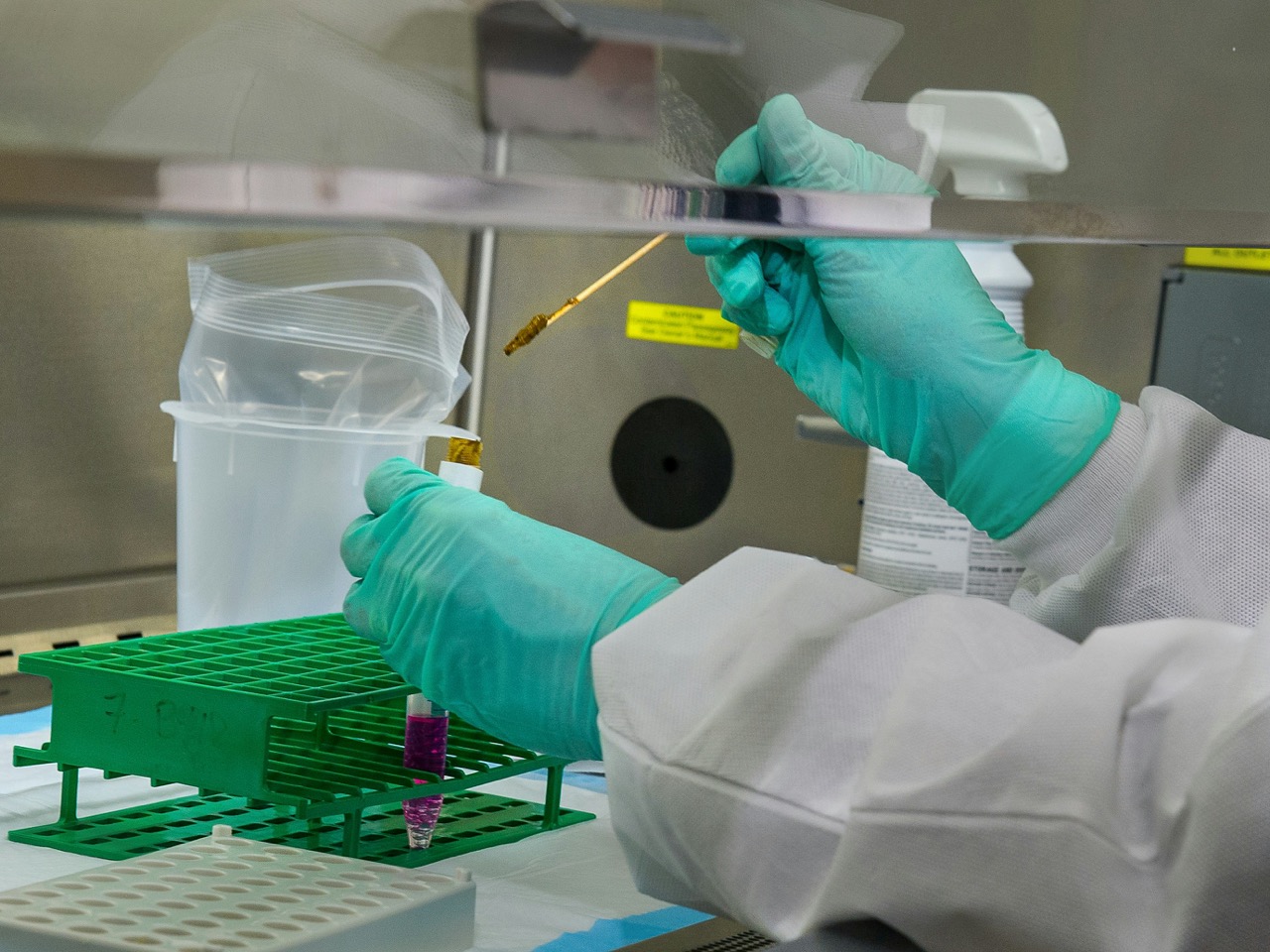
Next, you will proceed to the sample collection. This step can vary depending on the method used. For a urine test, you’ll simply provide a sample in a designated container. In the case of swabs, the healthcare provider will use a cotton swab to collect samples from the affected areas. While some individuals may feel discomfort during this procedure, it is generally quick and manageable. The provider will strive to make it as comfortable as possible, and you can communicate any discomfort you experience throughout the process.
After the samples have been collected, you will typically receive information on when and how you can expect to receive your test results. Some clinics offer rapid testing, while others may take a few days for results to come back. If you test positive for gonorrhoea, your healthcare provider will discuss treatment options with you, which may include antibiotics. Remember, following up with your provider about your results is essential for both your health and that of your partners.
===
In conclusion, knowing what to expect during a gonorrhoea test appointment can help ease anxiety and empower you to take control of your sexual health. Regular testing is a vital aspect of staying healthy, especially if you are sexually active. By understanding the process, from arrival at the clinic to receiving results, you can approach your appointment with confidence. Remember, healthcare providers are there to support you in a nonjudgmental environment, ensuring you receive the care you deserve. If you have any concerns or symptoms, don’t hesitate to reach out for testing and guidance.