




Receiving a positive diagnosis for chlamydia can be an unsettling experience, but it’s important to remember that this sexually transmitted infection (STI) is treatable and manageable. Understanding what steps to take next can empower you to make informed decisions about your health and well-being. This article aims to guide you through the necessary actions following a positive chlamydia test, focusing on understanding your diagnosis, immediate steps to take, treatment options, and how to communicate with your sexual partners.
Understanding Your Chlamydia Diagnosis and Its Implications
Chlamydia is one of the most common STIs, often referred to as a "silent infection" because many individuals do not exhibit noticeable symptoms. If you’ve tested positive, it’s crucial to recognize the potential health implications, not just for yourself but also for your sexual partners. Left untreated, chlamydia can lead to more serious conditions, such as pelvic inflammatory disease (PID), which can affect fertility and overall reproductive health.
Understanding your diagnosis also involves knowing how chlamydia is transmitted. It is primarily spread through unprotected sexual contact, including vaginal, anal, and oral sex. Being aware of these transmission routes can inform your future sexual health practices and help you prevent spreading the infection to others. This is a critical moment to educate yourself about the infection and its implications for your health.
Lastly, it’s important to approach your diagnosis with a sense of empowerment rather than shame or fear. Chlamydia is a medical condition that many people experience, and addressing it responsibly can lead to better health outcomes. Utilize this opportunity to engage with sexual health resources, as knowledge is key to managing your condition effectively.
Steps to Take Immediately After Receiving Your Results
Upon receiving your positive chlamydia test results, the first step is to remain calm and focused. Take a deep breath and remind yourself that this is a manageable condition. The next immediate action should be to consult with a healthcare provider if you haven’t done so already. They can offer personalized guidance, answer your questions, and discuss the next steps in your treatment journey.
It is also essential to avoid sexual activity until you have completed your treatment. Engaging in sexual activity can not only hinder your healing process but also increase the risk of transmitting the infection to your partners. Practicing abstinence during this time is a responsible choice that supports both your health and the health of others.
Lastly, consider keeping a record of your symptoms and any questions that arise as you navigate this process. This information can be helpful during your medical consultation. Remember, you are not alone in this; many individuals face similar challenges, and there are resources available to support you throughout your treatment.
Treatment Options: Healing and Moving Forward
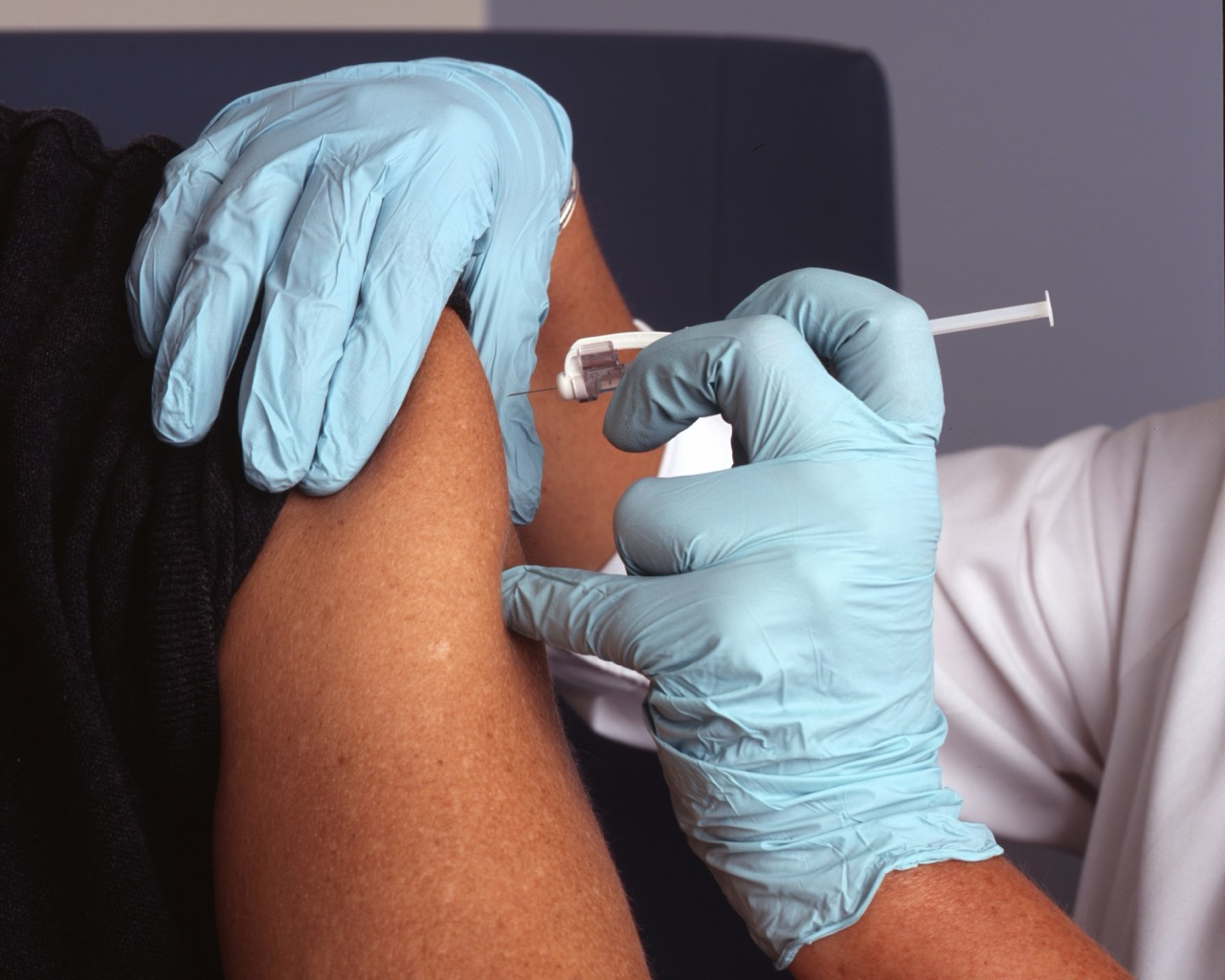
The good news is that chlamydia is highly treatable, typically with antibiotics prescribed by your healthcare provider. Common treatment regimens include azithromycin (a single dose) or doxycycline (taken over a week). Following your provider’s instructions is critical to ensure the infection is cleared completely. Be sure to finish all prescribed medication, even if you start to feel better before completing the course.
After completing your treatment, it’s advisable to schedule a follow-up appointment for retesting, especially if you were treated with doxycycline. Retesting usually occurs about three months after treatment to ensure the infection has been cleared effectively. This follow-up is a crucial step in safeguarding your health and preventing future complications.
In addition to medical treatment, take this opportunity to evaluate your sexual health practices. Incorporating safer sex practices, such as using condoms consistently and engaging in regular STI screenings, can significantly reduce your risk of future infections. Moving forward with a proactive mindset can help you maintain your sexual health and empower you to make informed choices.
Supporting Your Sexual Partners: Communication and Care
A crucial aspect of managing a chlamydia diagnosis involves notifying any sexual partners you have been with recently. This may feel uncomfortable, but it is an essential step in protecting their health. Open and honest communication can help your partners understand the situation and seek testing or treatment if necessary.
When reaching out to your partners, consider providing them with factual information about chlamydia, including its symptoms, treatment options, and the importance of getting tested. You can approach this conversation with care and sensitivity, emphasizing that their health is your priority. Resources and guidance can also be shared to help them navigate their next steps.
Finally, remember that you should never feel ashamed about your situation. STIs are common, and many people have experienced similar challenges. By addressing the issue openly and responsibly, you foster a culture of understanding and compassion within your relationships, ultimately contributing to healthier sexual encounters in the future.
Navigating a positive chlamydia diagnosis can be daunting, but it is essential to remember that you have the tools to take control of your health. By understanding your diagnosis, taking immediate action, pursuing appropriate treatment, and communicating with your partners, you can transition from this challenging moment into a more informed and empowered phase of your sexual health journey. Always prioritize your well-being, seek support when needed, and continue to educate yourself on STIs and safe sexual practices. You are not alone, and there are resources available to help you move forward confidently.