





===
For many individuals, getting tested for sexually transmitted diseases (STDs) can be a daunting experience. However, understanding what happens to your sample after it reaches the lab can alleviate some of the anxiety. This article sheds light on the meticulous journey your sample undergoes, from its arrival at the laboratory to the ultimate interpretation of the results, empowering you with knowledge about your sexual health.
1. The Journey: Sample Reception and Initial Processing
Once your sample arrives at the lab, it’s carefully logged into a secure system to ensure proper tracking and confidentiality. Lab technicians verify the sample against the accompanying documentation to ensure that the right test is performed on the right sample. This stage is crucial for maintaining accuracy and integrity in the testing process.
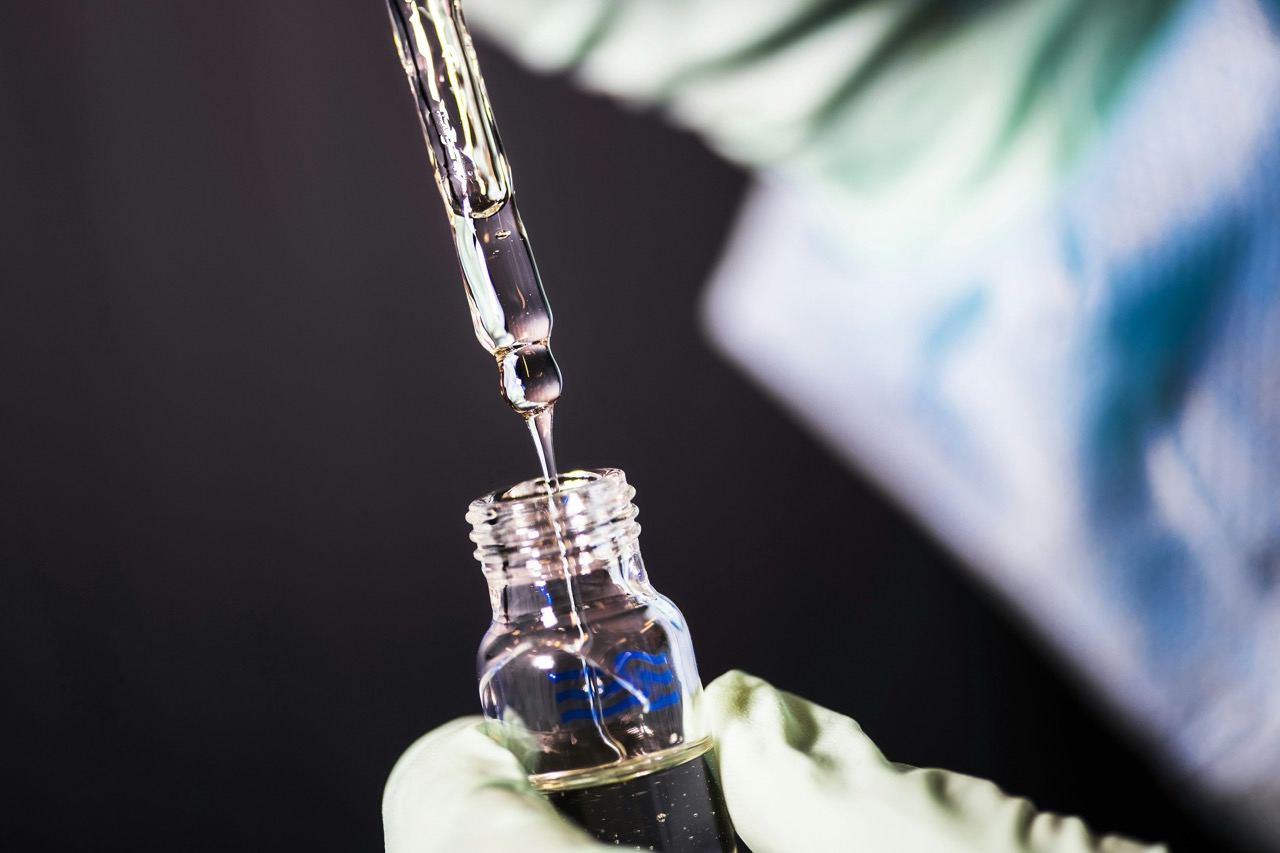
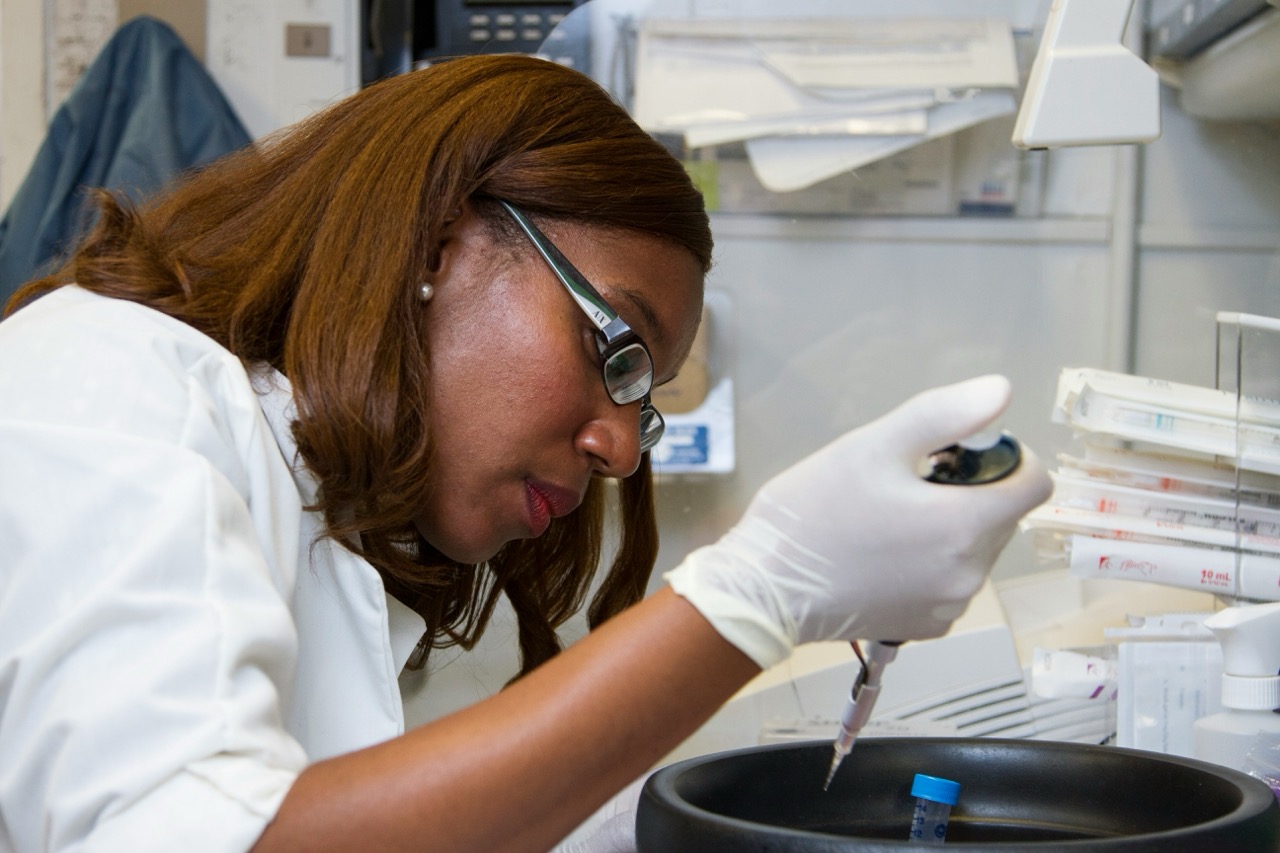
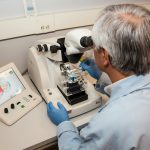
After verification, the sample undergoes initial processing. Depending on the type of sample—be it urine, blood, or swab—lab personnel prepare it for testing. This may involve centrifugation, dilution, or other preparatory steps to ensure that the sample is in the best condition for analysis. Each step is performed with precision to ensure the most reliable outcomes.
Finally, the processed samples are assigned to specific tests based on the testing protocol. This systematic approach not only maintains the confidentiality of your information but also ensures that the results are as accurate as possible. The samples are then ready to be analyzed using various testing methods, which significantly contribute to the understanding of your sexual health.
2. Testing Methods: Analyzing Your Sample in Detail
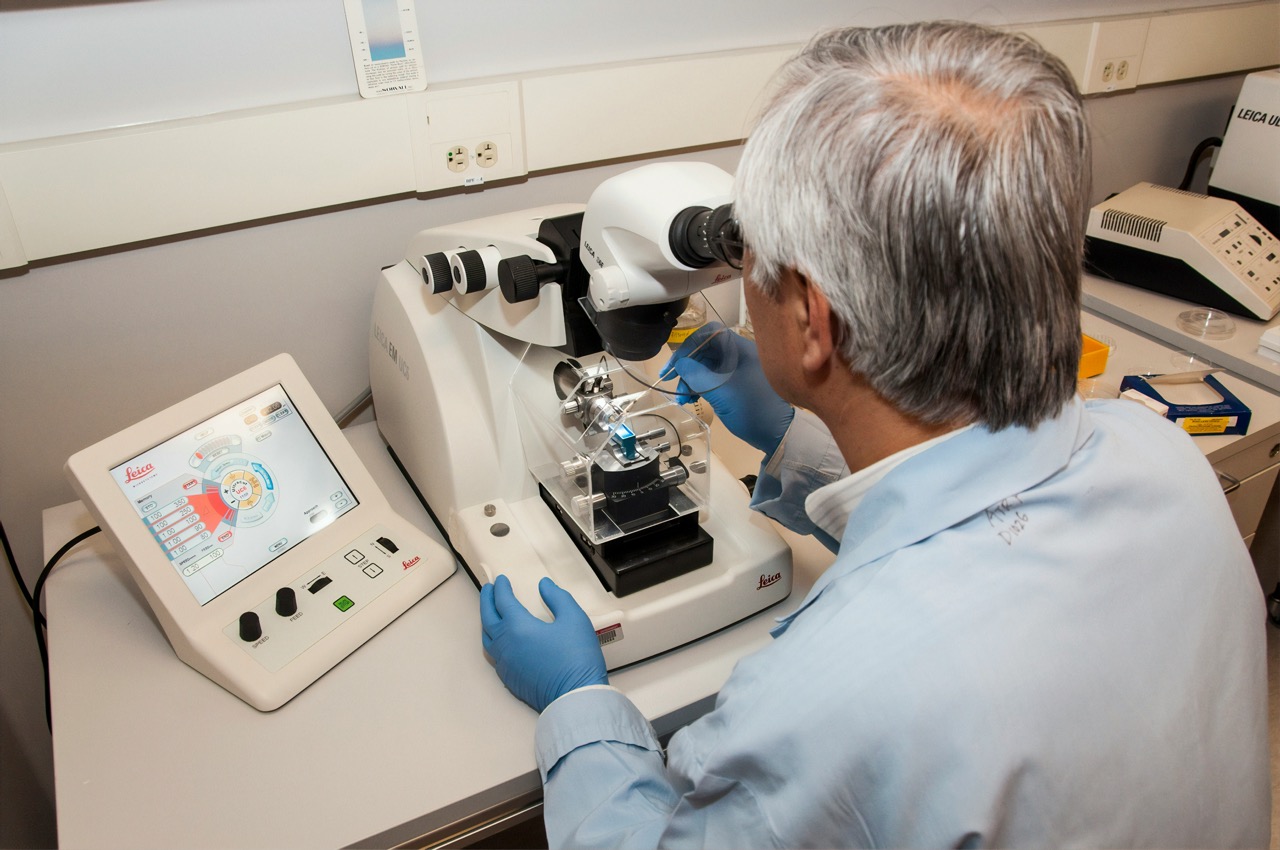
Once your sample is prepared, it’s subjected to a variety of testing methods, each tailored to detect specific pathogens or infections. Common tests for STDs include nucleic acid amplification tests (NAAT), which identify genetic material from bacteria or viruses, and enzyme-linked immunosorbent assays (ELISA), which detect antibodies produced in response to infections. These advanced techniques allow for highly accurate results, often with quick turnaround times.
Another widely used method is culture testing, where samples are grown in a lab setting to identify organisms responsible for infections. While this method may take longer to yield results, it can provide valuable information about antibiotic resistance, which is crucial for determining effective treatment options. Each testing technique has its strengths, and the lab typically selects the most appropriate methods based on the type of sample and the suspected infection.
Throughout the testing process, strict quality control measures are in place to ensure the reliability of results. Laboratories often participate in external quality assessment programs to maintain standards. This rigorous approach not only guarantees accuracy but also fosters trust in the testing process, reassuring individuals about the integrity of their results.
3. Interpreting Results: What They Mean for Your Health
After the analysis is complete, the results are compiled in a report that is typically reviewed by a qualified healthcare professional. Understanding these results is vital for your health. A "positive" result indicates the presence of an STD, while a "negative" result shows no evidence of infection. However, it’s important to remember that no test is 100% conclusive, and follow-up testing may be necessary, especially if symptoms persist or if you’ve had potential exposure.
Interpreting results can be an emotional process, and the feelings of anxiety, relief, or confusion are completely normal. Healthcare providers are trained to discuss these results with you in a compassionate and supportive manner, helping you understand what the findings mean for you specifically. They will also explain any necessary next steps, including further testing or treatment options.
Communication is key during this phase. If you have questions or concerns about your results, don’t hesitate to ask your healthcare provider for clarification. This open dialogue can provide peace of mind and ensure you have the information needed to make empowered decisions about your sexual health.
4. Next Steps: Follow-Up and Treatment Options Explained
Following the interpretation of your results, specific next steps will be determined based on whether the test was positive or negative. If you receive a positive result, your healthcare provider will discuss treatment options, which may include antibiotics or antiviral medications. Early intervention can significantly reduce the risk of complications and transmission, which is why timely follow-up is crucial.
For those with negative results, your provider may still discuss preventive measures to maintain your sexual health. This could include regular screenings, vaccination options (like HPV vaccines), and safe sex practices. Understanding your risk factors and how to reduce them is an empowering step towards long-term health.
Regardless of your results, maintaining open communication with your healthcare provider is essential. They can offer guidance on when to return for follow-up testing and how to reduce the risk of future infections. Remember, understanding your sexual health is a continuous journey, and you have the right to seek information and support at every step.
===
In conclusion, knowing what happens to your sample after it reaches the lab can demystify the testing process and provide you with a sense of control over your sexual health. From the moment your sample arrives to the point of result interpretation, each step is performed with care and precision to ensure your health and privacy are prioritized. By staying informed and proactive, you can make empowered decisions about your sexual health, fostering a healthier future for yourself and your partners.