





Sexually transmitted diseases (STDs) remain a significant public health concern across the globe. Despite increasing awareness and education, many people choose to forgo testing, often due to fear, stigma, or lack of information. This decision can lead to grave health implications, not only for the individual but also for their partners. Understanding the risks of untested STDs, common symptoms of untreated infections, and the importance of regular testing can empower individuals to take charge of their sexual health.
The Hidden Risks of Untested STDs on Your Health
Leaving an STD untested can have severe repercussions on an individual’s health. Many STDs can be asymptomatic, meaning that a person may not show any noticeable signs of infection while still being contagious. This invisibility can lead to a false sense of security, causing individuals to continue engaging in sexual activity without taking necessary precautions. The longer an STD remains untreated, the more likely it is to cause significant health issues.
Furthermore, certain STDs can lead to serious complications if not addressed promptly. For example, untreated chlamydia and gonorrhea can result in pelvic inflammatory disease (PID), which can cause chronic pain and infertility in women. In men, untreated STDs can lead to epididymitis, another painful condition. The toll these diseases take on physical well-being is often compounded by the emotional and mental distress that accompanies an untreated infection.
Lastly, the societal implications of untested STDs can be far-reaching. Untested individuals can unknowingly spread infections to their partners, perpetuating cycles of transmission within communities. The stigma surrounding STDs can deter people from seeking treatment, leading to a public health crisis that is difficult to combat. This is why understanding the risks associated with untested STDs is crucial for both personal and communal health.
Common Symptoms of Untreated STDs You Should Know
Recognizing the symptoms of untreated STDs can be the first step toward seeking help. Common signs may include unusual discharge from the genitals, itching or irritation in the genital area, painful urination, and abnormal bleeding. While these symptoms may seem mild, they can indicate a serious underlying infection that requires medical attention. It’s important to remember that some STDs, like HIV, may not present symptoms until significant damage has been done to the body.
Many individuals may also experience flu-like symptoms, such as fever, fatigue, and swollen lymph nodes, particularly with viral infections like herpes or HIV. However, these symptoms can easily be mistaken for other illnesses, which is why regular testing is essential. Being aware of these signs can prompt timely testing and treatment, reducing the risk of complications.
Another critical aspect is recognizing that not everyone will experience symptoms. Asymptomatic cases are common, especially with STDs like chlamydia and gonorrhea. This lack of visible symptoms can lead to complacency and a belief that one is free of infection. Regular testing can help catch these infections before they progress into more serious health issues, emphasizing the need for proactive health management.
Long-Term Consequences of Leaving STDs Untreated
The long-term consequences of untreated STDs can be severe and life-altering. In women, untreated STDs like chlamydia and gonorrhea can lead to serious reproductive health issues, including infertility or ectopic pregnancy, which can be life-threatening. Men can also face complications such as infertility and chronic pain if infections like epididymitis or prostatitis develop. These health issues not only affect physical well-being but can also have a profound impact on mental health and relationships.
In addition to reproductive health issues, untreated viral infections such as HIV can lead to AIDS. This progression can take years, during which the individual may feel fine, leading them to avoid testing. Once the immune system is significantly compromised, even common infections can become severe, requiring extensive medical intervention. The fear of this progression can create a cycle of anxiety and stigma that further deters individuals from seeking help.
Moreover, untreated STDs can increase the risk of contracting other infections, including HIV. Individuals with existing STDs are often more susceptible to HIV infection due to the inflammation and open sores they may have. This link highlights the importance of addressing all STDs promptly, reinforcing the need for comprehensive sexual health education and regular testing.
Importance of Regular Testing for Sexual Health Safety
Regular testing is an essential component of maintaining sexual health. It allows individuals to be informed about their status and seek treatment if necessary. The Centers for Disease Control and Prevention (CDC) recommends that sexually active individuals, especially those with multiple partners, get tested at least once a year. Regular screenings can catch infections early, often before symptoms arise, enabling prompt treatment and reducing the risk of complications.
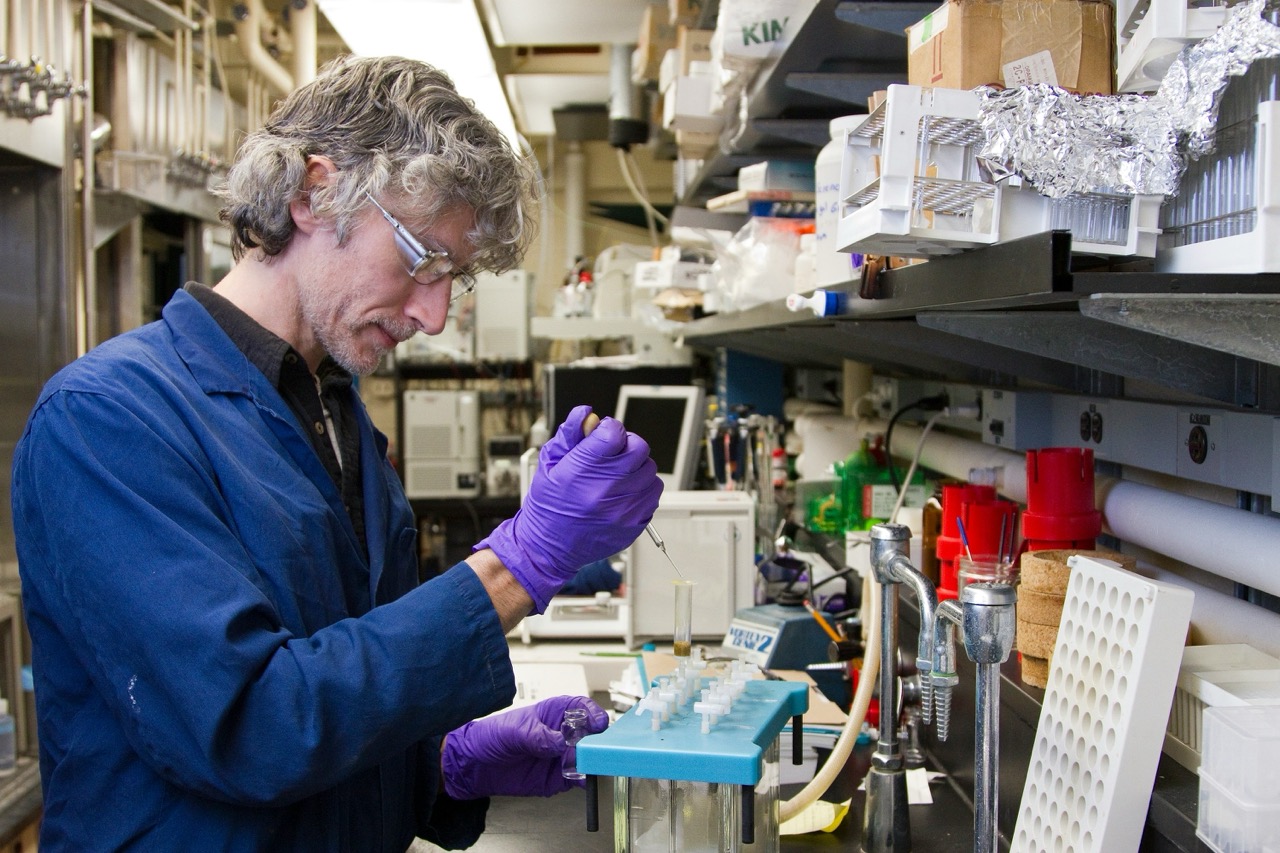
Many healthcare providers offer confidential and accessible testing options, ensuring privacy and comfort. Understanding the testing process, including what to expect during a visit, can alleviate anxiety and encourage individuals to prioritize their health. Testing usually involves a simple blood test or swab, and results are typically available within days, providing peace of mind.
Empowering individuals with knowledge about STDs and the importance of testing fosters a culture of responsibility and care within communities. By normalizing conversations about sexual health and emphasizing the accessibility of testing, we can reduce stigma and encourage more individuals to take proactive steps toward their well-being. Regular testing is not just a personal responsibility; it is a community effort to ensure the health and safety of all.
In conclusion, neglecting STD testing can have significant consequences for both personal and public health. Understanding the hidden risks, recognizing symptoms, and acknowledging the long-term consequences of untreated STDs are crucial steps toward maintaining sexual health. Regular testing should be viewed as a vital practice for everyone, promoting not only individual well-being but also the health of partners and communities. By prioritizing sexual health awareness and fostering open conversations about STDs, we can create a supportive environment that encourages everyone to take charge of their sexual health.