





Understanding your sexual health is crucial, and getting tested for sexually transmitted diseases (STDs) is a significant step in that journey. Many people feel anxious after their first test, unsure of what to expect next. This article will provide a comprehensive overview of what happens following your first STD test, from understanding the testing process to interpreting your results and exploring treatment options. With this knowledge, you can take charge of your sexual health with confidence and clarity.
Understanding the Testing Process and What to Expect
When you decide to get your first STD test, it’s important to know what the process entails. Typically, the testing begins with a consultation where a healthcare provider will ask questions about your sexual history, any symptoms you might be experiencing, and your overall health. This conversation is private and aims to ensure that you receive the appropriate tests. Depending on your risk factors, you may be tested for various STDs, including chlamydia, gonorrhea, syphilis, and HIV.
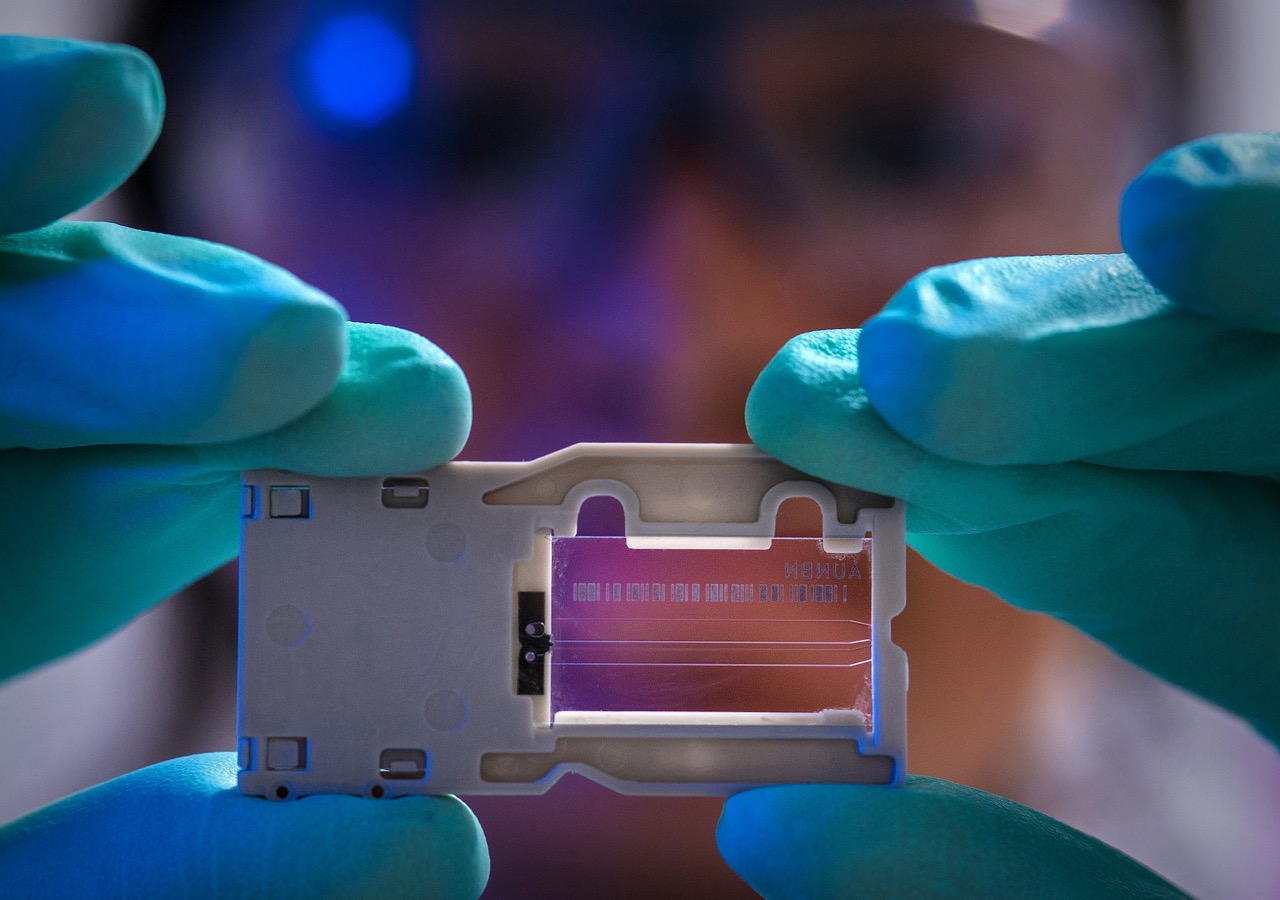
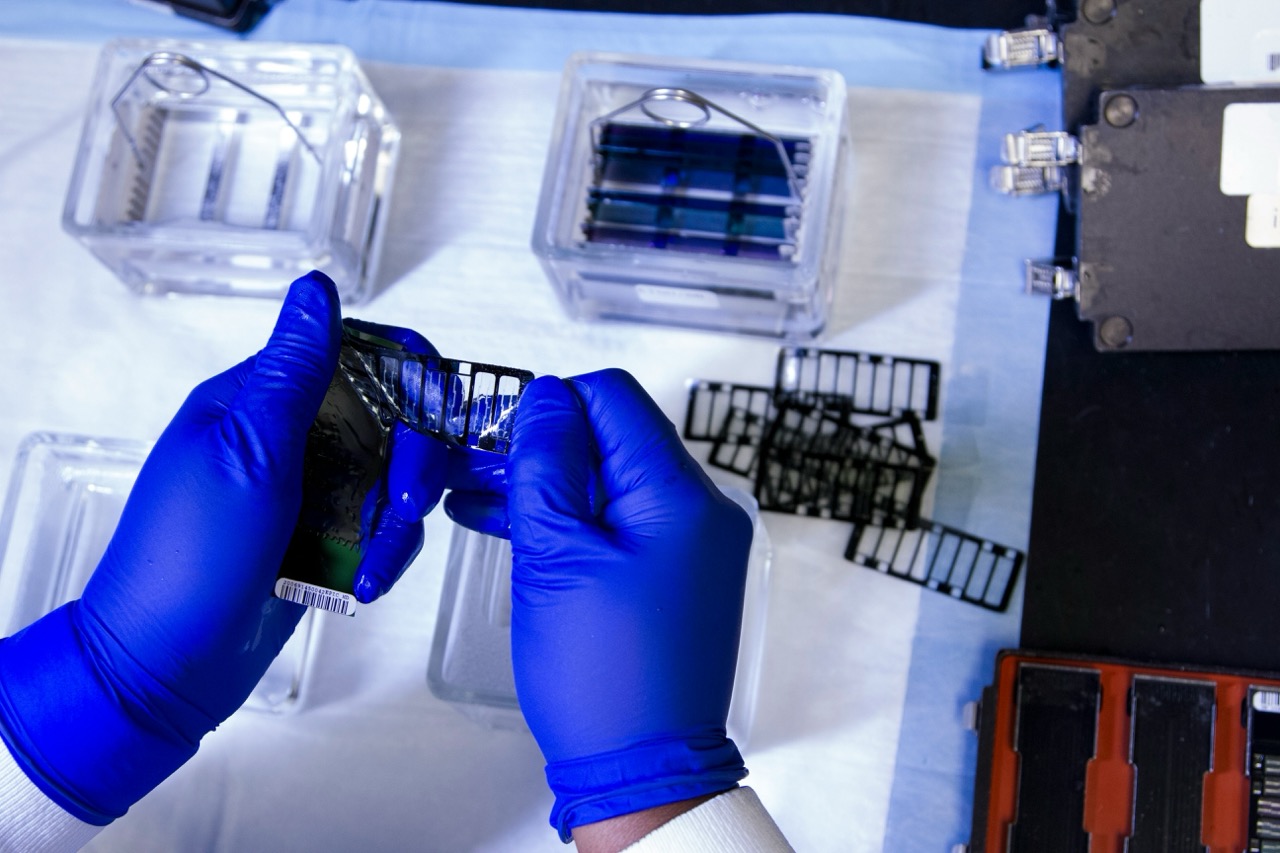
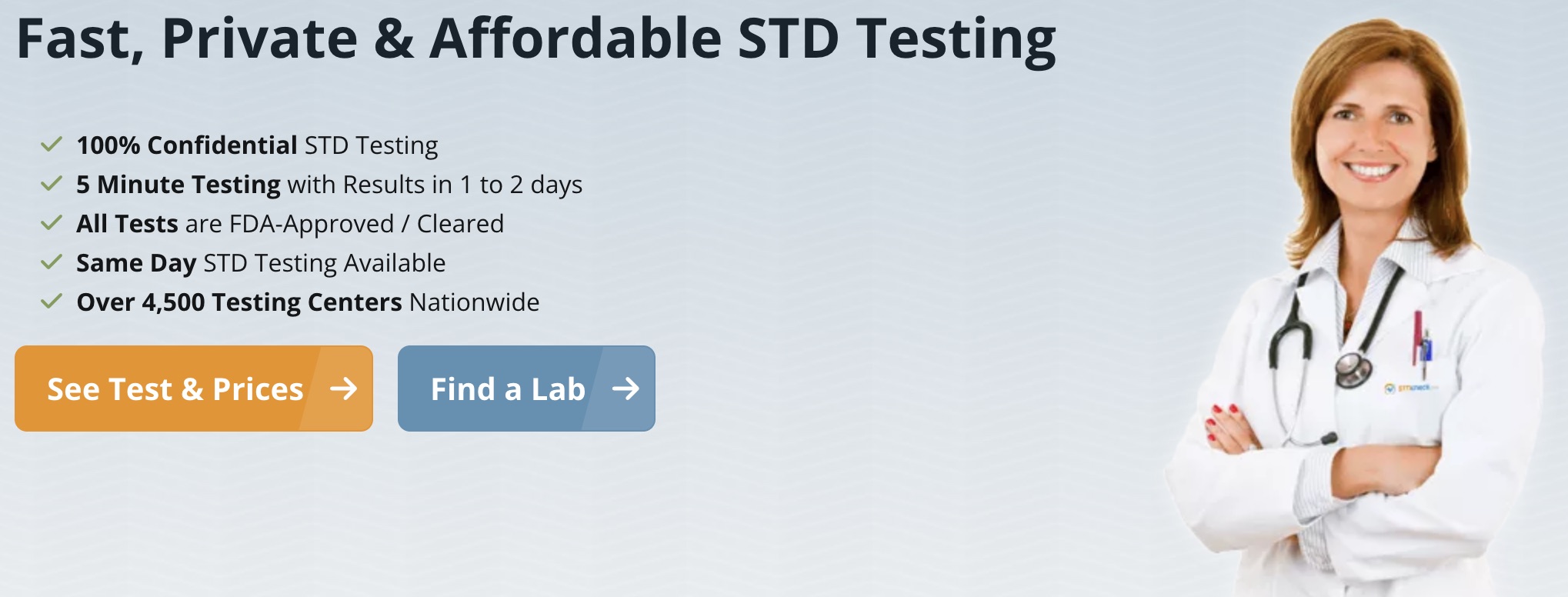
The actual testing can involve a variety of methods, including urine samples, blood tests, or swabs from affected areas. Many clinics aim to make the process as comfortable as possible, and staff are trained to handle these situations sensitively. You might have to wait a short period for your results, which can vary depending on the clinic and the specific tests performed. Some facilities offer rapid testing, where you can receive results within hours, while others may take several days.
Regardless of how the process unfolds, remember that confidentiality is a priority in healthcare. Your testing experience is designed to be safe and respectful, ensuring that you feel comfortable throughout. Preparing mentally for this experience can help alleviate any anxiety, allowing you to focus on your health.
Interpreting Your Results: Positive and Negative Outcomes
Once you receive your results, understanding what they mean is essential. A negative result typically indicates that you are not infected with the STDs tested, which can be a relief for many. However, it’s important to note that testing doesn’t offer immunity; practicing safe sex is still vital to prevent future infections. In some cases, your healthcare provider may recommend follow-up tests, especially if you were exposed to an STD shortly before testing, as some infections may not show up immediately.
On the other hand, a positive result can be overwhelming and may evoke a range of emotions, from fear to confusion. It’s crucial to remember that a positive result does not define you or your worth. Many STDs are treatable, and knowing your status is the first step toward effective management. Your healthcare provider will discuss your results in detail and provide guidance on the next steps, ensuring you understand the implications of the diagnosis.
It’s perfectly normal to have questions and concerns following your results. Don’t hesitate to reach out to your healthcare provider for clarification. They can help you navigate your emotions and provide resources to manage your health moving forward. Understanding your results is empowering, allowing you to make informed decisions about your sexual health.
Next Steps: Treatment Options and Follow-Up Care
If your results indicate an STD, the next steps usually involve treatment and follow-up care. Treatment options vary depending on the specific infection. Bacterial STDs, such as chlamydia and gonorrhea, are typically treated with antibiotics, while viral infections like herpes and HIV require different management strategies. Your healthcare provider will discuss the most effective treatment options tailored to your situation, ensuring that you have all the information needed to make informed choices.
In addition to treatment, it’s important to consider follow-up care. Some infections may require additional testing after treatment to confirm that the infection has cleared. Your healthcare provider will advise you on when and how to follow up, ensuring that you remain informed throughout the process. Staying in touch with your provider can also help address any side effects from treatment or concerns that may arise during recovery.
Moreover, discussing your diagnosis with sexual partners is crucial. Open and honest communication can help prevent the spread of STDs and encourage everyone involved to get tested. While this conversation may feel daunting, it’s an important part of taking responsibility for your sexual health and ensuring the well-being of your partners.
Empowering Your Sexual Health: Prevention and Resources
After your first STD test, it’s vital to take proactive steps to empower your sexual health. Understanding prevention methods can significantly reduce your risk of future infections. Safe sex practices, including consistent condom use and engaging in mutually monogamous relationships, are effective strategies. Additionally, regular testing is essential, especially if you have new or multiple partners, as it helps monitor your sexual health continuously.
There are numerous resources available to assist you in this journey. Local clinics, sexual health organizations, and health departments often provide educational materials, counseling, and support groups. These resources can help you stay informed about STDs, prevention techniques, and available treatments. Engaging with these communities can also provide a sense of support and understanding, as you connect with others who may share similar experiences.
Ultimately, taking charge of your sexual health means being proactive, informed, and compassionate toward yourself and others. Remember that you are not alone, and there are many people and organizations ready to support you in your journey toward better sexual health. Empower yourself with knowledge, and don’t hesitate to seek out help when needed, knowing that every step you take is a positive move toward a healthier future.
Navigating the world of sexual health can be complex, but understanding what happens after your first STD test is a crucial part of that journey. By familiarizing yourself with the testing process, interpreting results, exploring treatment options, and embracing prevention strategies, you can take control of your sexual health. Remember, knowledge is power, and you are not alone in this journey. Prioritize your health, communicate openly, and seek support whenever necessary. Your sexual health is worth the effort.