





Chlamydia is one of the most common sexually transmitted infections (STIs) worldwide, yet many people remain unaware of its implications, especially concerning its relationship with other STIs. Understanding chlamydia, its symptoms, and its risks is essential for anyone who is sexually active. This article will delve into the link between chlamydia and other STIs, the importance of regular testing, and effective strategies for prevention, providing a comprehensive guide to enhance sexual health awareness.
Understanding Chlamydia: Symptoms and Risks Explained
Chlamydia is caused by the bacterium Chlamydia trachomatis and is primarily transmitted through sexual contact. Many individuals infected with chlamydia may not experience any symptoms, which can lead to a lack of awareness about their condition. When symptoms do occur, they often manifest as abnormal discharge, painful urination, and pelvic pain in women, while men may experience discharge from the penis and testicular pain. This asymptomatic nature of chlamydia can result in serious complications if left untreated.
Complications from untreated chlamydia can be severe, particularly for women. It can lead to pelvic inflammatory disease (PID), which may cause infertility or increase the risk of ectopic pregnancy. Men can also suffer from complications, such as epididymitis, which can cause pain and swelling in the testicles. Regularly monitoring sexual health is crucial to prevent these complications and ensure timely treatment.
The risks associated with chlamydia extend beyond the immediate symptoms. It can create an environment conducive to the transmission of other STIs, making awareness and education about its implications vital for everyone. By understanding the symptoms and risks of chlamydia, individuals can be empowered to take proactive steps in managing their sexual health.
How Chlamydia Increases Susceptibility to Other STIs
Chlamydia does not only pose risks on its own; it also significantly increases the susceptibility to other STIs such as gonorrhea, syphilis, and HIV. The presence of chlamydia can cause inflammation and damage to the genital tissues, which may make it easier for other pathogens to enter the body during sexual contact. This heightened vulnerability underscores the importance of understanding the interconnected nature of STIs.
Moreover, individuals with chlamydia may engage in riskier sexual behaviors, such as having multiple partners or inconsistent condom use, which further increases the likelihood of contracting other STIs. Awareness of one’s chlamydia status can encourage individuals to take more responsible actions regarding their sexual health, thereby reducing their risk of acquiring additional infections.
The link between chlamydia and other STIs highlights the need for comprehensive sexual health education. By understanding that treating chlamydia is not just about addressing a single infection but also about reducing the risk of other STIs, individuals can make informed decisions that promote overall health and well-being.
Importance of Regular Testing for Chlamydia and STIs
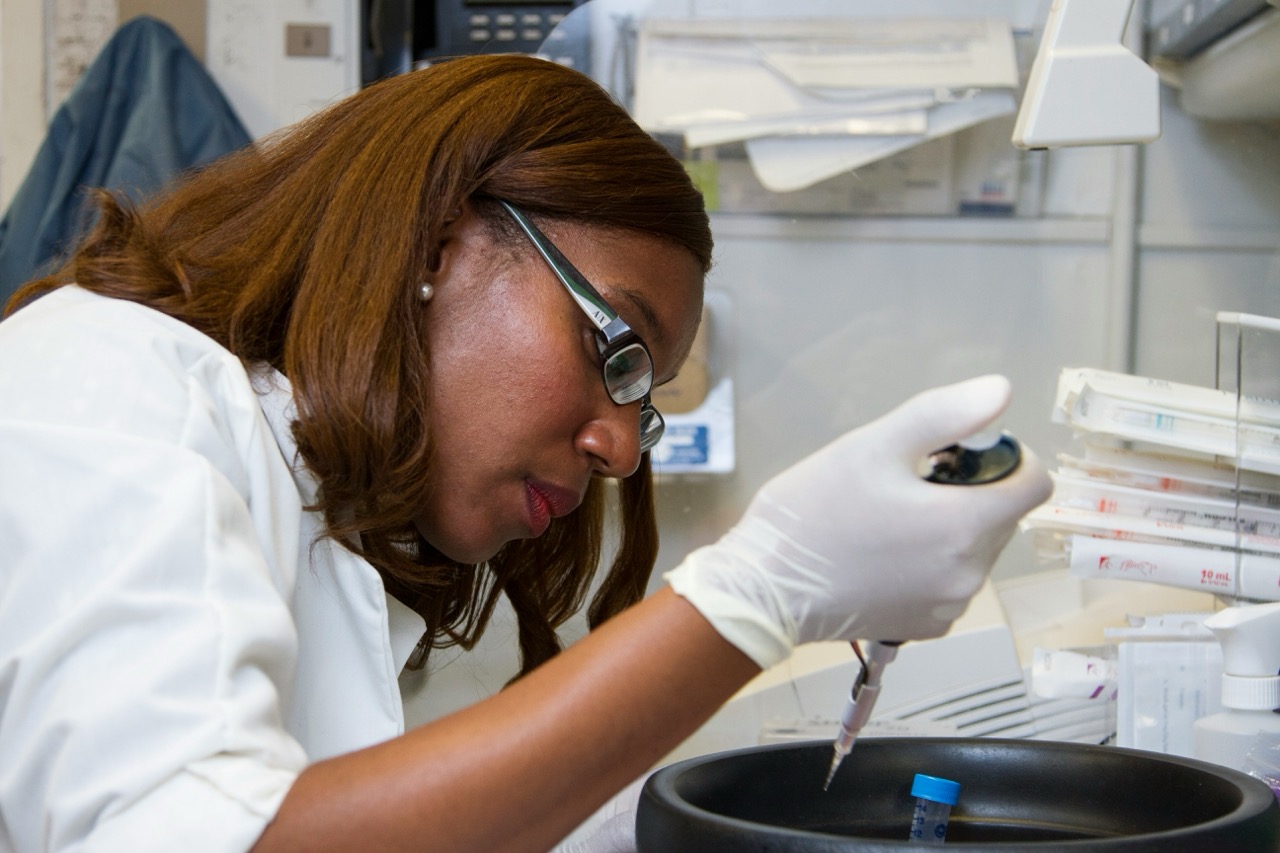
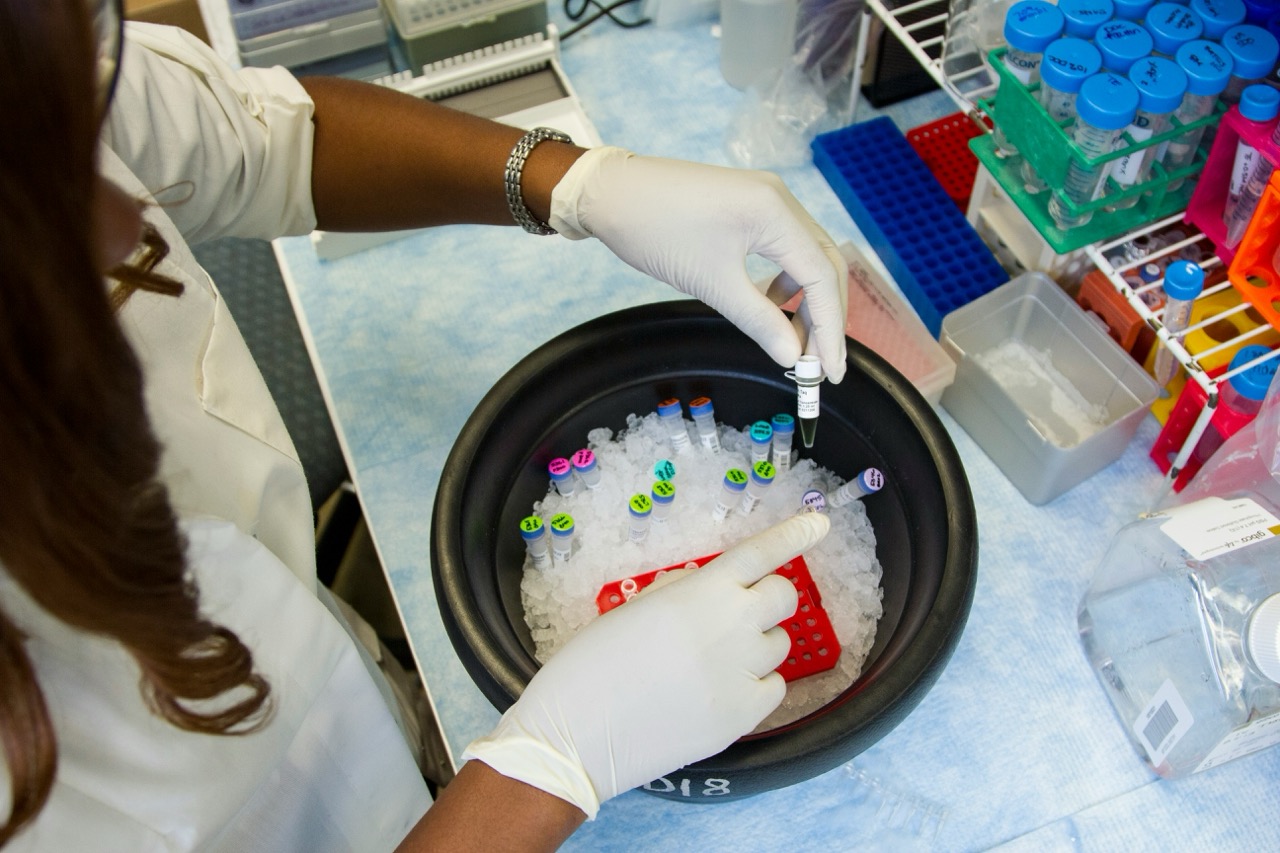
Regular testing for chlamydia and other STIs is crucial for early detection and treatment. The Centers for Disease Control and Prevention (CDC) recommends that sexually active individuals, particularly young adults and those with new or multiple partners, undergo regular screenings. Testing is typically straightforward and can often be done during routine health check-ups, ensuring that sexual health remains a priority.
Understanding how to interpret test results is equally essential. A positive result for chlamydia should not be a cause for shame or fear; rather, it is an opportunity to seek treatment and prevent further complications. Treatment is usually straightforward, involving antibiotics that effectively eradicate the infection. However, it is equally important for sexual partners to be tested and treated to prevent reinfection.
By prioritizing regular testing, individuals can take control of their sexual health and avoid the potential complications that arise from untreated STIs. Empowerment through knowledge and proactive measures can lead to healthier relationships and a more informed approach to sexual health.
Effective Strategies for Prevention and Safe Practices
Preventing chlamydia and other STIs requires a multifaceted approach. One of the most effective strategies is consistent and correct condom use. Condoms act as a barrier to prevent the exchange of bodily fluids, significantly reducing the risk of transmission for many STIs, including chlamydia. Open communication with partners about sexual health, testing history, and mutual consent also plays a critical role in fostering a safe sexual environment.
Additionally, individuals should be encouraged to limit the number of sexual partners, as this can reduce exposure to infections. Engaging in a mutually monogamous relationship, where both partners have been tested and are negative for STIs, can also be an effective strategy for prevention.
Lastly, education on sexual health and STI prevention should be accessible to all, ensuring that everyone has the knowledge and tools necessary to protect themselves and their partners. Workshops, online resources, and community outreach programs can empower individuals to prioritize their sexual health and well-being.
Understanding the link between chlamydia and other STIs is crucial for maintaining sexual health. Regular testing, open communication, and effective prevention strategies can help individuals take charge of their sexual well-being. By fostering a culture of awareness, respect, and compassion, we can work together to reduce the prevalence of STIs and promote healthier relationships. Remember, your sexual health is an essential aspect of your overall well-being, and taking proactive steps can make a significant difference.