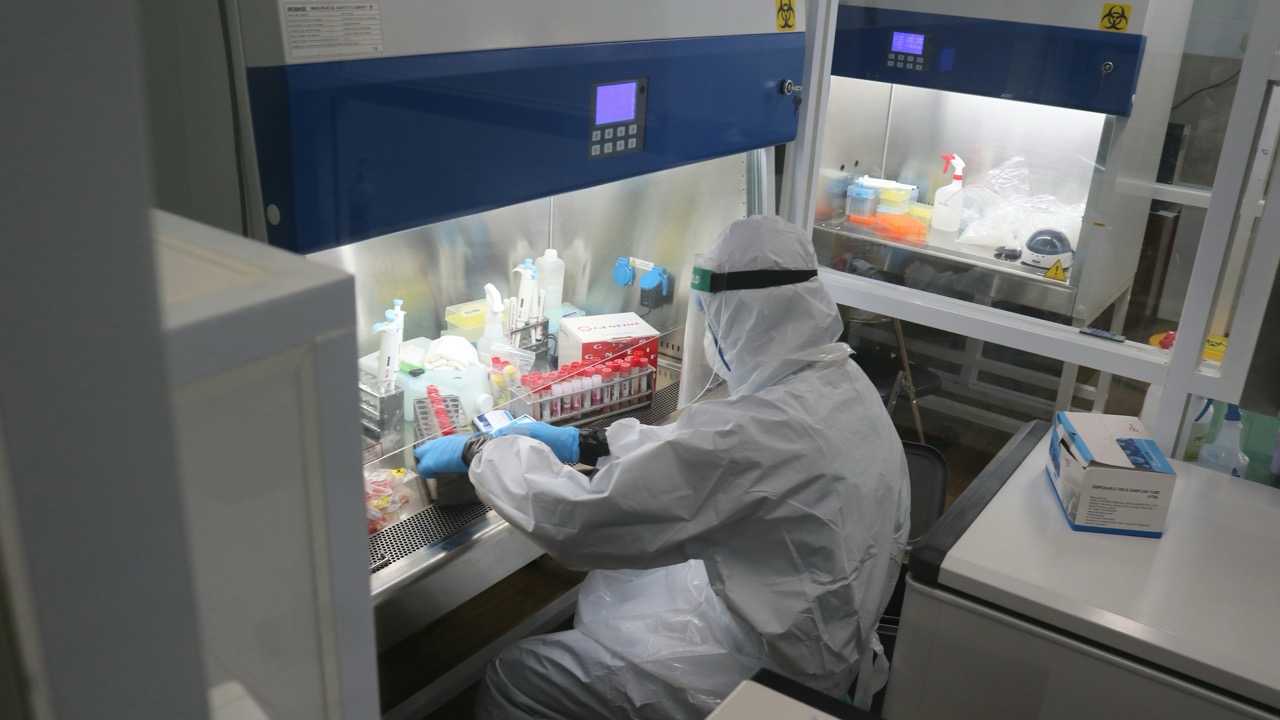

As awareness around sexual health continues to evolve, so too does the landscape of research and development in the field of Sexually Transmitted Diseases (STDs). With increasing rates of infections worldwide, the demand for innovative testing and treatment methods has never been more crucial. This article delves into the latest advancements in STD research, focusing on groundbreaking testing approaches and transformative treatment options that promise to enhance patient care and management.
Innovative Testing Approaches: A New Era in STD Detection
Recent advancements in technology are ushering in a new era of STD detection, making testing more accessible and efficient. Traditional methods, often characterized by discomfort and the need for invasive procedures, are being replaced by more user-friendly options. For instance, at-home testing kits are gaining popularity, allowing individuals to collect samples in the privacy of their own homes. This innovation not only alleviates the anxiety associated with clinic visits but also encourages more people to seek testing, ultimately contributing to early detection and treatment of infections.
Point-of-care testing (POCT) is another significant advancement, offering rapid results that can empower individuals to make informed decisions on the spot. These tests utilize cutting-edge technology to provide results within minutes, rather than days, enabling immediate counseling and treatment options. Such rapid responses are particularly crucial in high-risk populations, where timely intervention can significantly impact the course of the infection and prevent further transmission.
Moreover, researchers are exploring genetic testing methods that analyze patient samples at a molecular level. These tests can help identify specific strains of STDs, leading to more personalized treatment plans. By understanding the genetic makeup of the pathogens involved, healthcare providers can tailor their approach, enhancing the effectiveness of the treatment and minimizing the risk of complications. This level of precision in testing marks a promising shift toward a more individualized approach in sexual health management.
Breakthrough Treatments: Transforming STD Management and Care
In conjunction with innovative testing methods, exciting breakthroughs in treatment are transforming how STDs are managed. One of the most significant developments is the advancement of antiviral therapies, particularly for viral STDs such as HIV and herpes. These treatments can suppress viral loads to undetectable levels, drastically reducing the risk of transmission and improving the quality of life for those affected. The use of pre-exposure prophylaxis (PrEP) has also gained traction, providing a preventative option for individuals at high risk of contracting HIV, further contributing to public health efforts aimed at reducing infection rates.
Bacterial STDs, such as chlamydia and gonorrhea, have also seen innovative treatment strategies. The emergence of dual therapy regimens, which involve using two different antibiotics simultaneously, has proven effective in combatting antibiotic resistance. These regimens not only enhance treatment efficacy but also help public health officials stay ahead of evolving strains that may resist standard treatments. Continuous surveillance and research are vital to adapt these treatments in real time, ensuring they remain effective against new challenges.
Additionally, there is an increasing focus on holistic approaches to STD care, including mental health support and counseling. Recognizing the emotional toll that STDs can take, healthcare providers are integrating mental health resources into treatment plans. This comprehensive approach not only addresses physical health but also fosters a supportive environment for individuals navigating their sexual health journeys. Such initiatives reflect a growing understanding that effective STD management goes beyond mere treatment; it encompasses the overall well-being of the patient.
The future of STD research is undoubtedly bright, characterized by innovative testing methods and breakthrough treatments that are reshaping the landscape of sexual health. These advancements promise not only to enhance detection and management but also to empower individuals to take control of their sexual health. As we move forward, continued education, awareness, and access to these new methods will be paramount in fostering healthier communities. By embracing innovation and prioritizing compassionate care, we can work together to reduce the stigma surrounding STDs and promote a culture of safety, respect, and understanding in sexual health.