






Getting an STD test can be a daunting experience, often accompanied by a whirlwind of emotions. For many, the thought of potential results can invoke feelings of anxiety, fear, and uncertainty. However, it is essential to recognize that taking the step to get tested is a crucial aspect of maintaining sexual health. This article aims to explore the emotional landscape of STD testing, provide insights into managing anxiety, and offer guidance on interpreting results and building support systems.
Understanding the Emotional Impact of STD Testing
The decision to get tested for sexually transmitted diseases (STDs) can stir a complex mix of emotions. For some, there may be feelings of shame or embarrassment, stemming from societal stigma associated with STDs. This stigma can create an internal dialogue that amplifies anxiety, making the prospect of testing feel overwhelming. However, it’s vital to remember that STDs are medical conditions, not moral failures. Understanding this distinction can help alleviate some of the emotional burdens.
Moreover, the anticipation of results can lead to stress and fear of the unknown. Many individuals grapple with "what if" scenarios that only exacerbate anxiety levels. This heightened emotional state can make it difficult to think rationally about the situation. Acknowledging these feelings is the first step toward managing them. It is important to remind oneself that the primary goal of testing is to ensure health and well-being, both for oneself and for potential partners.
Lastly, the emotional impact of testing can be influenced by personal experiences and social environments. For individuals with a history of trauma or negative experiences related to sexual health, the act of getting tested can trigger past fears. Understanding that such feelings are valid and common can provide solace. Seeking professional guidance or support from trusted friends can also be helpful in navigating this emotional landscape.
Overcoming Anxiety: Preparing for Your Test Day
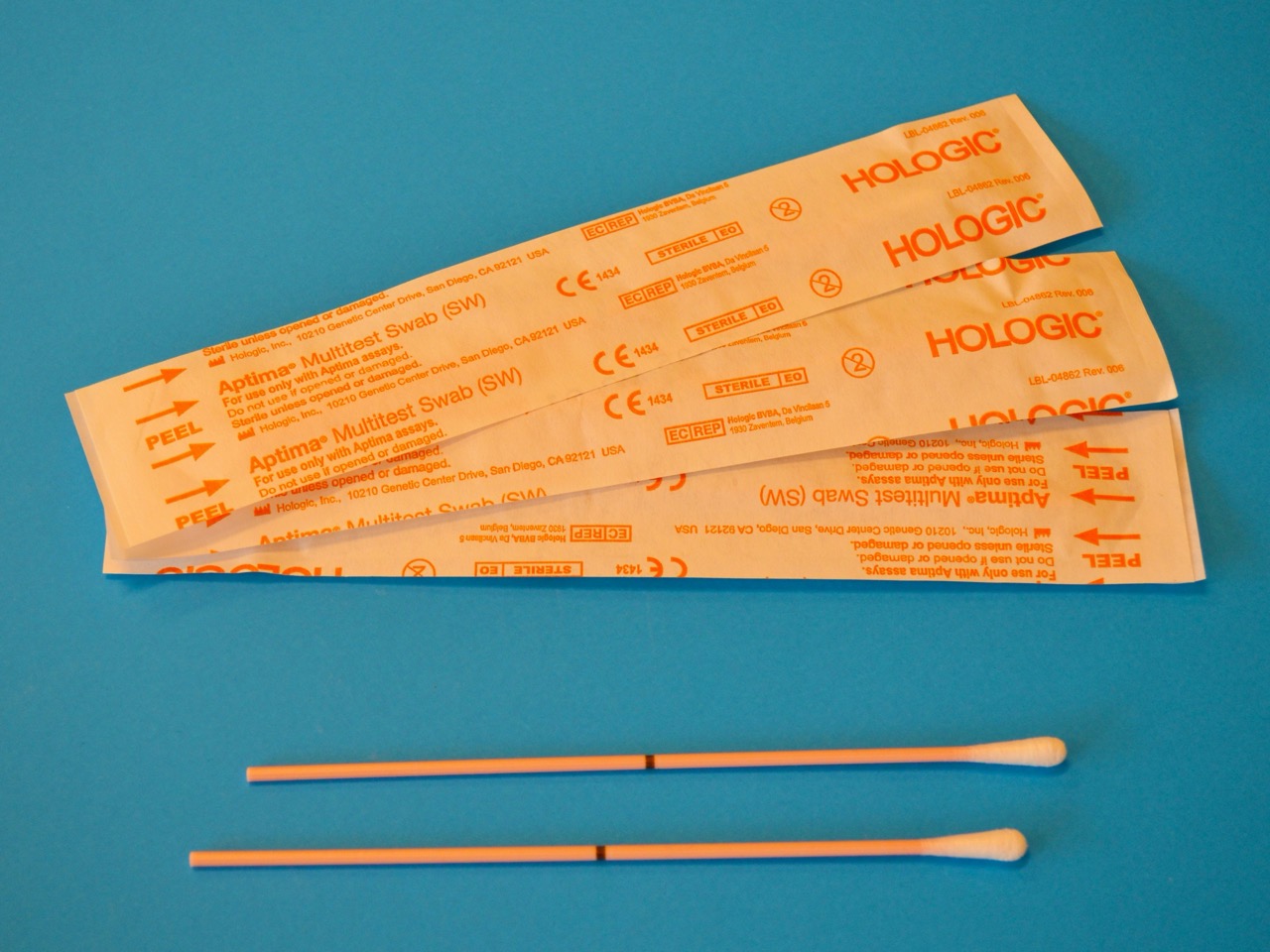
Preparation is key when it comes to alleviating anxiety about getting tested for STDs. Start by educating yourself about the testing process. Knowledge is empowering, and understanding what to expect can significantly reduce fear. Most STD tests are simple, quick, and often painless. Knowing the specifics—whether it involves a blood draw, urine sample, or swab—can make the experience less intimidating.
Creating a supportive environment on test day can also help ease anxiety. Consider bringing a trusted friend along for moral support. Having someone to talk to can distract you from anxious thoughts and provide comfort. Additionally, practice relaxation techniques beforehand, such as deep breathing or visualization exercises. These strategies can help calm your mind and body, making it easier to cope with any nervousness on the day of the test.
Lastly, remember to focus on the positive aspects of getting tested. This proactive step can lead to peace of mind, enabling you to take control of your sexual health. By reframing the experience as an opportunity for empowerment rather than a source of fear, you can approach test day with a more optimistic mindset.
Interpreting Results: Navigating the Emotional Aftermath
Receiving your STD test results can be an emotionally charged experience. If results come back negative, a wave of relief often washes over individuals, reaffirming their commitment to safe sexual practices. However, if results are positive, feelings of shock, fear, or even shame may occur. It’s essential to recognize that these emotions are completely valid, and processing them can take time.
If you receive a positive result, remember that you are not alone. Many STDs are treatable, and having access to the right information and medical support can make a significant difference. Take time to educate yourself about the specific infection, including its symptoms, treatment options, and long-term implications. This knowledge can help demystify the situation and alleviate fear associated with the unknown.
Moreover, consider reaching out to healthcare professionals for guidance and support. They can provide valuable information about managing your health moving forward and assist with any emotional distress. Support groups and counseling can also be beneficial, connecting you with others who have had similar experiences. The journey of navigating a positive STD result may be challenging, but with the right support and resources, it is entirely manageable.
Building Support: How to Talk About Your Experience
Talking about your experience with STD testing can feel daunting, but establishing a support system is crucial for emotional well-being. Start by identifying individuals in your life who you trust—friends, family members, or healthcare professionals. Opening up about your experience can help alleviate feelings of isolation and normalize the conversation around sexual health.
When discussing your experience, consider framing the conversation in a way that emphasizes the importance of sexual health awareness. Share your reasons for getting tested and the positive outcomes of taking proactive steps for your health. This approach can help reduce stigma and encourage others to prioritize their sexual health as well.
If discussing your experience feels overwhelming, consider writing about it instead. Journaling can be a therapeutic outlet for processing emotions and reflecting on your journey. Additionally, online forums or support groups can provide an anonymous avenue for sharing your story and connecting with others who have faced similar situations. Building a support network is an essential step in managing the emotional aspects of getting tested for STDs, ultimately fostering resilience and empowerment.
In summary, understanding the emotional side of getting an STD test is critical for fostering a positive experience and promoting sexual health awareness. By acknowledging feelings of anxiety, preparing for the test, interpreting results with clarity, and building strong support systems, individuals can navigate this journey with greater ease. Remember, prioritizing your sexual health is an act of self-care, and seeking help is a sign of strength. Embrace the opportunity to empower yourself and others in the journey of health and wellness.