




===INTRO:===
Pregnancy is an exciting time, but it can also be filled with questions and concerns, especially regarding the health of both the mother and the developing baby. One crucial aspect of prenatal care that often goes overlooked is STD testing. Understanding the importance of screening for sexually transmitted infections (STIs) during pregnancy can lead to healthier outcomes for both mother and child. This article explores why STD testing is vital, the common infections to watch for, what to expect during testing, and how to interpret the results.
Understanding the Importance of STD Testing in Pregnancy
STD testing during pregnancy is essential for several reasons. First and foremost, many STIs can have serious consequences for both the mother and the fetus. Infections like syphilis, chlamydia, and HIV can lead to complications such as premature birth, low birth weight, and even stillbirth. By detecting these infections early, healthcare providers can implement appropriate treatments that significantly reduce these risks.
Moreover, pregnant individuals may experience changes in their immune systems, making them more susceptible to infections. Regular screening is a proactive approach to ensuring that any potential issues are identified and managed swiftly. It’s not just about the health of the mother; it’s also about safeguarding the future of the baby. Early intervention can help in preventing vertical transmission of infections, where the disease could be passed from mother to child during pregnancy or delivery.
Lastly, the stigma surrounding STIs often leads to misinformation and fear. Educating expectant mothers about the importance of testing can help alleviate these concerns. Many STIs are treatable or manageable, and knowing one’s status is a fundamental step in taking charge of sexual health. The goal is to create a supportive environment where testing is seen as a routine part of prenatal care, rather than a source of anxiety.
Common STDs to Screen for During Prenatal Care
Several STIs are particularly important to screen for during pregnancy. The Centers for Disease Control and Prevention (CDC) recommends testing for chlamydia and gonorrhea, especially in individuals under 25 or those at increased risk. These infections can be asymptomatic, making them easy to overlook, yet they pose significant risks if left untreated, such as pelvic inflammatory disease and infertility.
Syphilis is another serious infection that warrants screening. It can lead to severe health complications for the baby if not detected early. In some cases, it can result in congenital syphilis, causing serious deformities or even neonatal death. Therefore, testing for syphilis is often recommended at the first prenatal visit and during the third trimester for high-risk individuals.
HIV testing is crucial as well. With advancements in treatment, individuals living with HIV can have healthy pregnancies and minimize the risk of transmission to their babies. Early diagnosis allows mothers to begin antiretroviral therapy, significantly lowering the chances of passing the virus to the child. Other infections, such as hepatitis B and C, may also be screened as part of a comprehensive prenatal care plan.
What to Expect During Your STD Testing Appointment
When you arrive for your STD testing appointment, the process is typically straightforward and confidential. A healthcare professional will begin by asking about your medical history and any potential risk factors. This conversation is a safe space to discuss concerns without judgment. Understanding your background helps healthcare providers determine which tests are most appropriate for you.
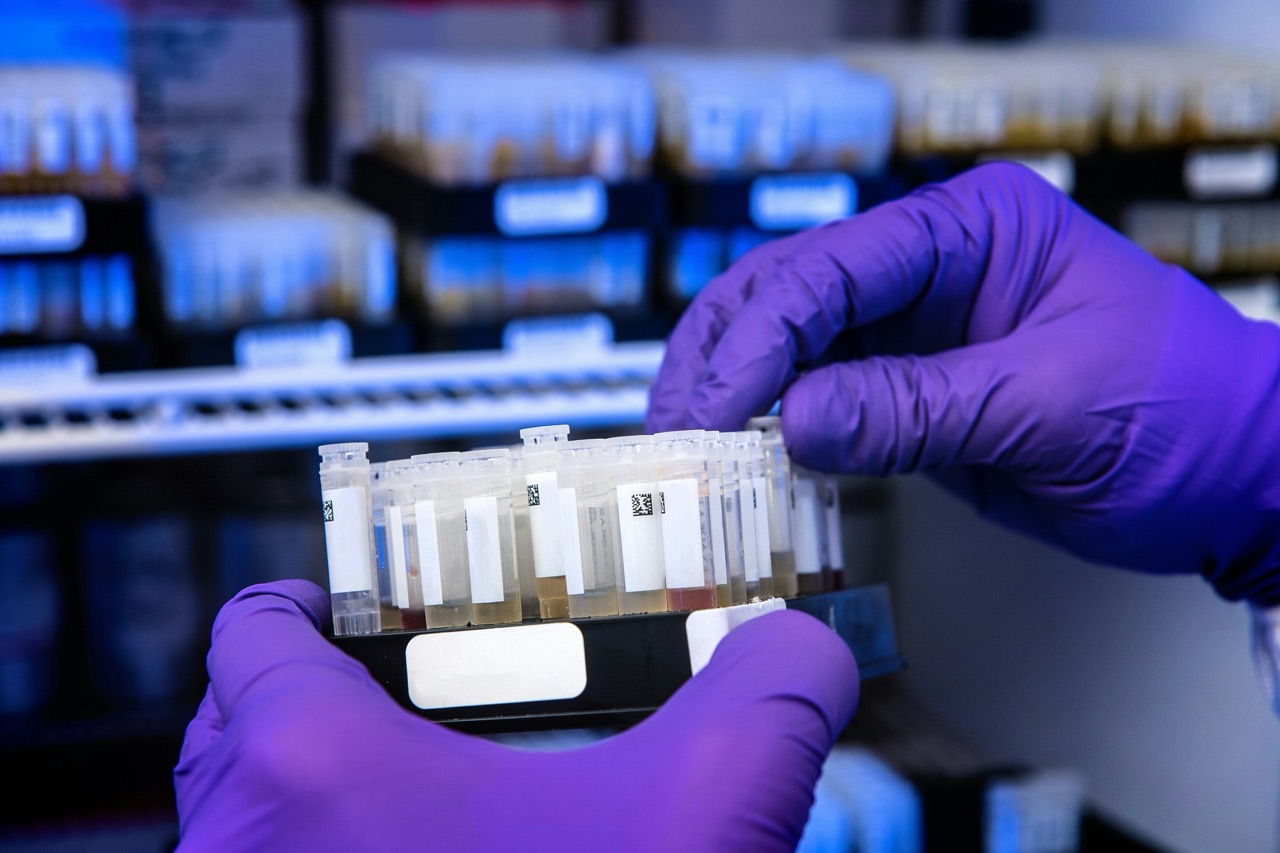
The actual testing procedure may involve providing a urine sample or blood draw, and in some cases, a swab from the genital area. Most of these tests are quick and relatively painless. The healthcare provider will explain each step and answer any questions you may have, ensuring that you feel comfortable throughout the process. It’s normal to feel anxious, but remember that testing is a proactive step towards maintaining your health and that of your baby.
After the samples are collected, you will typically receive information about when and how you will receive your results. This may vary by clinic, but many places provide results within a week. If you have any immediate concerns or experience any symptoms, don’t hesitate to reach out to your healthcare provider for guidance.
Interpreting Your Results: Next Steps for Your Health
Once you receive your STD test results, understanding what they mean is essential for your health and that of your baby. If your results are negative, you can feel relieved but should still practice safe sex and continue regular STD screenings as part of your healthcare routine. It’s essential to maintain open communication with your partner about sexual health and any future testing.
In the case of a positive result, there is no need to panic. Many STIs are treatable with medication, and your healthcare provider will guide you through the next steps. They may recommend specific treatments to manage the infection and reduce the risk of transmission to your baby. For example, medications for chlamydia and gonorrhea are typically effective, and proper management of HIV can lead to a healthy pregnancy.
Regardless of the results, it’s crucial to follow up with healthcare providers for continuous support and care. They can offer guidance on lifestyle changes, safe sexual practices, and future screenings. Remember, taking charge of your sexual health is empowering, and every step you take contributes to a safer, healthier pregnancy.
===OUTRO:===
STD testing during pregnancy is a vital component of prenatal care that helps ensure the well-being of both mother and child. By understanding the importance of screening, knowing which infections to watch for, and being aware of what to expect during the testing process, expectant mothers can make informed and proactive choices about their health. Always consult your healthcare provider for personalized advice and support, and remember that taking charge of your sexual health is an empowering step in your pregnancy journey.