



In today’s world, understanding and prioritizing reproductive health is more crucial than ever. Sexual health directly impacts overall well-being, and regular STD testing plays a significant role in maintaining that health. With rising awareness about sexually transmitted diseases (STDs), individuals are becoming more proactive in seeking testing and treatment. This article aims to shed light on the importance of STD testing, highlight common infections, navigate the testing process, and guide readers through understanding their results.
Understanding the Importance of Regular STD Testing
Regular STD testing is essential for all sexually active individuals, regardless of age or relationship status. Many STDs can be asymptomatic, meaning that individuals may not show any noticeable signs or symptoms. This silence can lead to further complications, including chronic health issues, increased risk of infertility, and even transmission to partners. By making testing a regular part of your health routine, you ensure that you’re not only protecting yourself but also your partners.
Moreover, regular testing fosters a culture of open dialogue about sexual health. When individuals prioritize their health and encourage their partners to do the same, it breaks down stigma and promotes a safer environment for everyone. Knowledge is power, and understanding your sexual health status can lead to informed decisions regarding relationships and sexual practices.
Finally, timely testing can facilitate early intervention. Many STDs are treatable or manageable when caught early. Regular testing gives you the chance to address any issues before they escalate, allowing for a healthier reproductive system and improved overall well-being.
Common STDs: Symptoms, Risks, and Prevention Strategies
Among the most common STDs are chlamydia, gonorrhea, syphilis, and human immunodeficiency virus (HIV). Chlamydia and gonorrhea often present with few or no symptoms, making regular testing essential. If left untreated, they can lead to serious reproductive health issues, including pelvic inflammatory disease (PID) and infertility. Symptoms may include abnormal discharge and painful urination, but many people remain unaware of their infection.
Syphilis, another common STD, can also progress silently. Initial symptoms might include sores at the site of infection, followed by rashes and flu-like symptoms. If untreated, syphilis can cause severe long-term health complications. Prevention strategies such as barrier methods (e.g., condoms) and mutual monogamy play a critical role in protecting against these infections.
HIV, the virus that can lead to AIDS, is another significant concern. Early detection through regular testing allows for timely treatment, which can manage the virus effectively and keep individuals healthy for years. Engaging in safe sex practices, regular screenings, and having honest discussions with partners about sexual health are key strategies for prevention.
Navigating the Testing Process: What to Expect
The testing process is designed to be straightforward, confidential, and respectful. Many clinics and healthcare providers offer various testing options, including at-home kits or in-office visits. When you arrive for testing, a healthcare professional will explain the process and answer any questions you may have, ensuring you feel comfortable and informed.
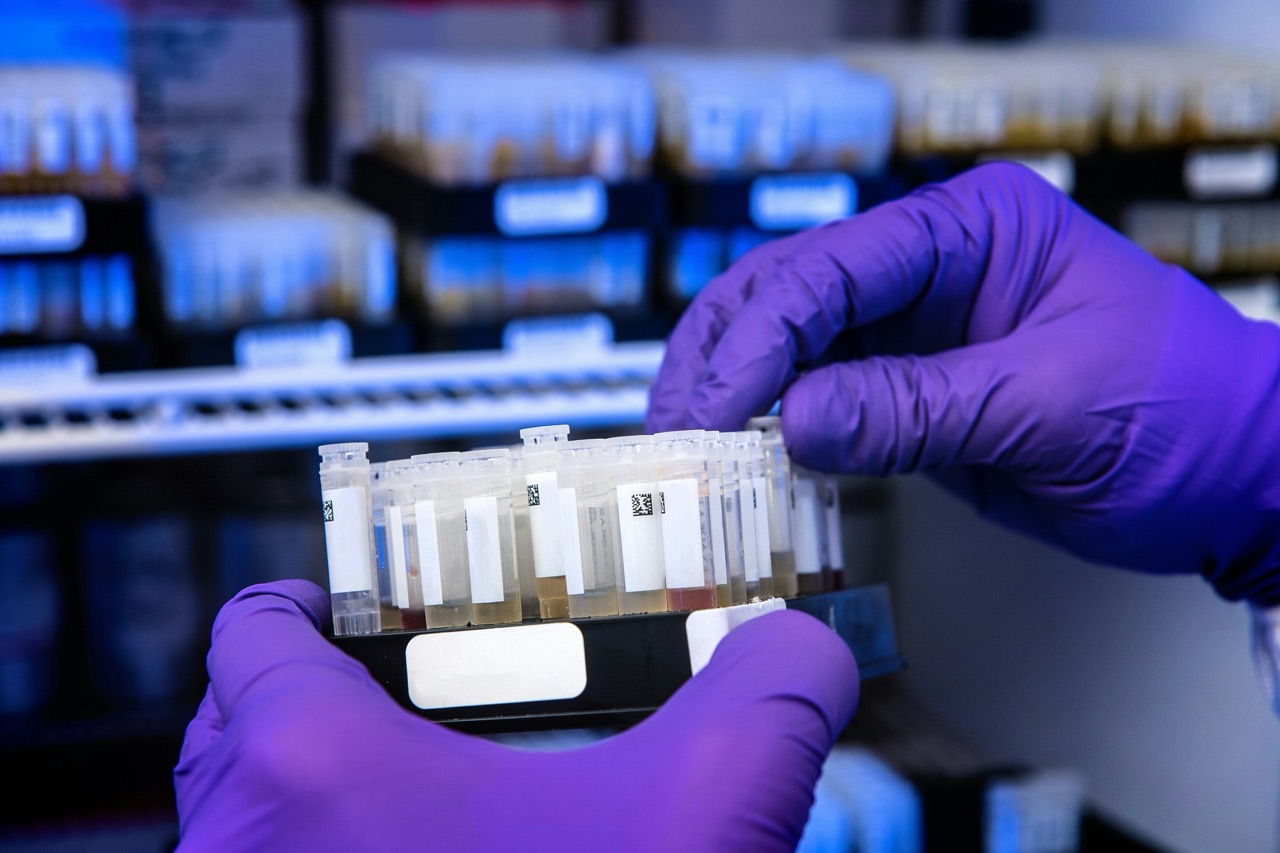
During the appointment, the healthcare provider may take blood, urine, or swab samples, depending on the tests being conducted. It’s important to remember that testing is quick and usually involves minimal discomfort. For some infections, results can be provided on the same day, while others may take a few days. Regardless, the healthcare provider will inform you about the expected timeline for receiving results.
It’s crucial to communicate openly with your healthcare provider about your sexual history and any symptoms you may be experiencing. This information will help ensure that you receive the appropriate tests and care tailored to your needs.
Interpreting Your Results and Next Steps for Health
Understanding your test results is a critical aspect of managing your reproductive health. If results come back positive for an STD, it’s important to stay calm and remember that many STDs are treatable. Your healthcare provider will guide you through the treatment options available, which may include antibiotics or antiviral medications, depending on the infection.
In the case of a negative result, it’s still vital to maintain regular testing, especially if you engage in new sexual relationships or if your lifestyle changes. Additionally, having open conversations with your sexual partners about your testing history promotes a healthier sexual environment for everyone involved.
Regardless of the results, ongoing communication with your healthcare provider is essential. They can provide guidance on prevention strategies, recommend regular testing intervals, and help you navigate any emotional or psychological challenges that may arise. Empowering yourself with knowledge and resources is key to maintaining your reproductive health.
In conclusion, STD testing and awareness are foundational elements of reproductive health. Regular testing not only protects you and your partners but also fosters a culture of openness and safety. By understanding common STDs, navigating the testing process, and interpreting results wisely, you can take control of your sexual health. Remember, prioritizing your reproductive health is a significant step toward living a healthy and fulfilling life.