




Sexually transmitted diseases (STDs) pose significant health risks, affecting millions worldwide. Understanding the importance of regular STD testing is key to maintaining sexual health, preventing reinfection, and ensuring overall well-being. This article aims to provide a comprehensive guide to STD testing, procedures, interpreting results, and strategies for preventing future infections, all while emphasizing privacy, safety, and accessibility.
Understanding the Importance of Regular STD Testing
Regular STD testing is crucial for everyone who is sexually active, regardless of their perceived risk. Many STDs can be asymptomatic, meaning individuals may unknowingly carry an infection without displaying any symptoms. This lack of visible signs makes regular testing essential; it not only helps in early detection but also in preventing further transmission to partners.
Furthermore, addressing STDs early can significantly reduce the risk of severe health complications. Untreated STDs can lead to serious issues, including infertility, pelvic inflammatory disease, and increased vulnerability to HIV. By committing to regular screenings, individuals take proactive steps toward their health, breaking the cycle of infection and minimizing long-term consequences.
Additionally, regular testing fosters open and honest communication between partners. It encourages discussions about sexual health, leading to healthier relationships and greater awareness of one’s own body. Knowing your STD status can empower you to make informed decisions about your sexual practices, ultimately promoting a culture of safety and responsibility.
How to Get Tested: Procedures and What to Expect
Getting tested for STDs is generally a straightforward process, often involving a visit to a healthcare provider, clinic, or dedicated testing facility. The first step is to have a conversation with a healthcare professional, who will assess your risk factors and determine which tests are appropriate. Many clinics offer confidential services, ensuring privacy and comfort for all individuals.
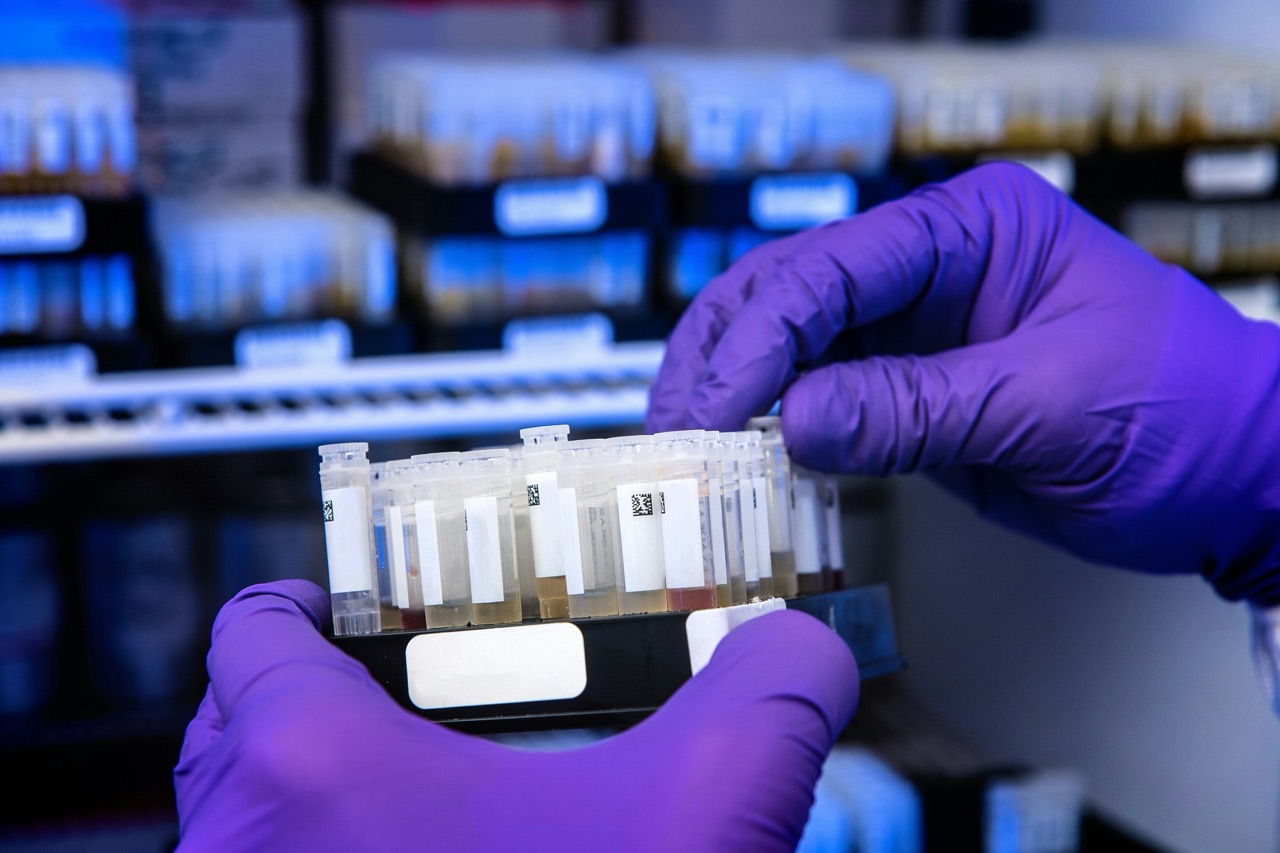
Testing methods vary based on the type of STD. Common procedures include urine samples, blood tests, and swabs from affected areas. Depending on the specific STD being tested for, results can take anywhere from a few hours to several days. During this time, it’s important to remain calm and understand that the wait is a normal part of the process.
Most clinics strive to create a welcoming environment, with staff trained to handle sensitive situations with compassion. If you have any questions or concerns during the testing process, don’t hesitate to voice them. Remember that seeking help is a sign of strength, and prioritizing your health is a decision worth celebrating.
Interpreting Your Results: Next Steps and Treatment Options
Once you receive your test results, it’s essential to understand what they mean. Positive results indicate the presence of an STD and often require further discussion with your healthcare provider about the next steps. They will typically provide guidance on treatment options, which may include antibiotics for bacterial infections or antiviral medications for viral infections.
For those who receive negative results, it’s important to maintain regular testing, especially if you have new or multiple partners. A negative test does not guarantee that you will remain STD-free; continued vigilance is essential for your health and the health of your partners. Your healthcare provider can offer advice on safe practices to reduce risk moving forward.
If you test positive for an STD, don’t panic. Many infections are treatable and manageable with the right medical support. Additionally, informing past and current partners is crucial in preventing further transmission. Open communication can help others get tested, fostering a collective approach to sexual health.
Effective Strategies to Prevent Reinfection and Stay Healthy
Preventing reinfection involves a combination of healthy practices and open communication with partners. First and foremost, consistent condom use can significantly reduce the risk of STDs. While they may not offer complete protection against all types of infections, they are one of the most effective tools available for reducing transmission rates.
In addition to barrier methods, consider regular health check-ups and screenings, especially if you have new or multiple partners. Staying informed about your sexual health status empowers you to make better decisions and promotes a culture of responsibility among sexually active individuals. Having regular conversations with healthcare providers can also keep you updated on new prevention strategies and treatments.
Moreover, fostering a supportive environment with your partners is vital. Encourage discussions about sexual history, testing, and mutual consent to foster trust and understanding. By establishing a culture of transparency, you not only protect yourself but also contribute to the well-being of your partners, promoting a healthier community overall.
Regular STD testing and effective prevention strategies are foundational to maintaining sexual health. Understanding the testing process, interpreting results, and implementing preventive measures against reinfection can empower individuals and couples alike. By prioritizing open communication and responsible practices, we can cultivate healthier relationships and reduce the stigma surrounding STDs. Remember, taking charge of your sexual health is a positive step toward overall well-being.