






Preparing for an STI test can be a daunting experience, filled with a whirlwind of emotions ranging from anxiety to uncertainty. Understanding these feelings and how to manage them is crucial for anyone who is taking this important step for their sexual health. This article aims to provide you with the emotional tools and knowledge needed to navigate this process with confidence and clarity, ensuring you feel supported every step of the way.
Understanding Your Feelings Before an STI Test
It’s completely normal to experience a mix of emotions before undergoing an STI test. Anxiety is one of the most common feelings, stemming from concerns about potential outcomes, judgment from healthcare professionals, or even the social stigma associated with sexually transmitted infections. Recognizing these feelings can be the first step in addressing them. Take a moment to acknowledge what you are feeling and remind yourself that many others share the same experience.
Another common emotion might be fear—fear of the unknown, fear of diagnosis, or fear of discussing sexual health. This fear can often be compounded by societal stigma, which can lead to feelings of isolation. It’s important to understand that seeking testing is a responsible and proactive measure for both your health and the health of your partners. Remember, testing is a routine part of sexual health for many individuals and couples, and you are not alone in this journey.
Finally, you may experience feelings of empowerment as you prepare for the test. Taking control of your sexual health is a significant and commendable step. Recognize that seeking an STI test is an act of self-care and responsibility. Embracing this perspective can help shift your mindset from fear to empowerment, making the prospect of testing feel more manageable.
Common Fears and Myths About STI Testing Explained
One prevalent myth is that STI testing is only necessary if you exhibit symptoms. Many STIs can be asymptomatic, meaning you might not experience any noticeable signs. The Centers for Disease Control and Prevention (CDC) recommends regular testing for sexually active individuals, especially if you have multiple partners. Understanding that testing is a routine health check can help alleviate some of the anxiety associated with it.
Another common fear involves the results of the test. Many people worry about the implications of a positive result, believing it will forever change their lives. However, it’s important to know that most STIs are treatable or manageable with proper medical care. For example, infections like chlamydia and gonorrhea can often be cured with antibiotics. Knowledge is power; being informed about the realities of STIs can lessen the fear of the unknown.
Lastly, there is often a concern about judgment from healthcare providers. Rest assured that medical professionals are trained to handle these situations with compassion and respect. They are there to support you, not to judge your choices. When you approach your test with honesty and openness, you create an environment where you can receive the best care possible.
Tips for Managing Anxiety on Test Day
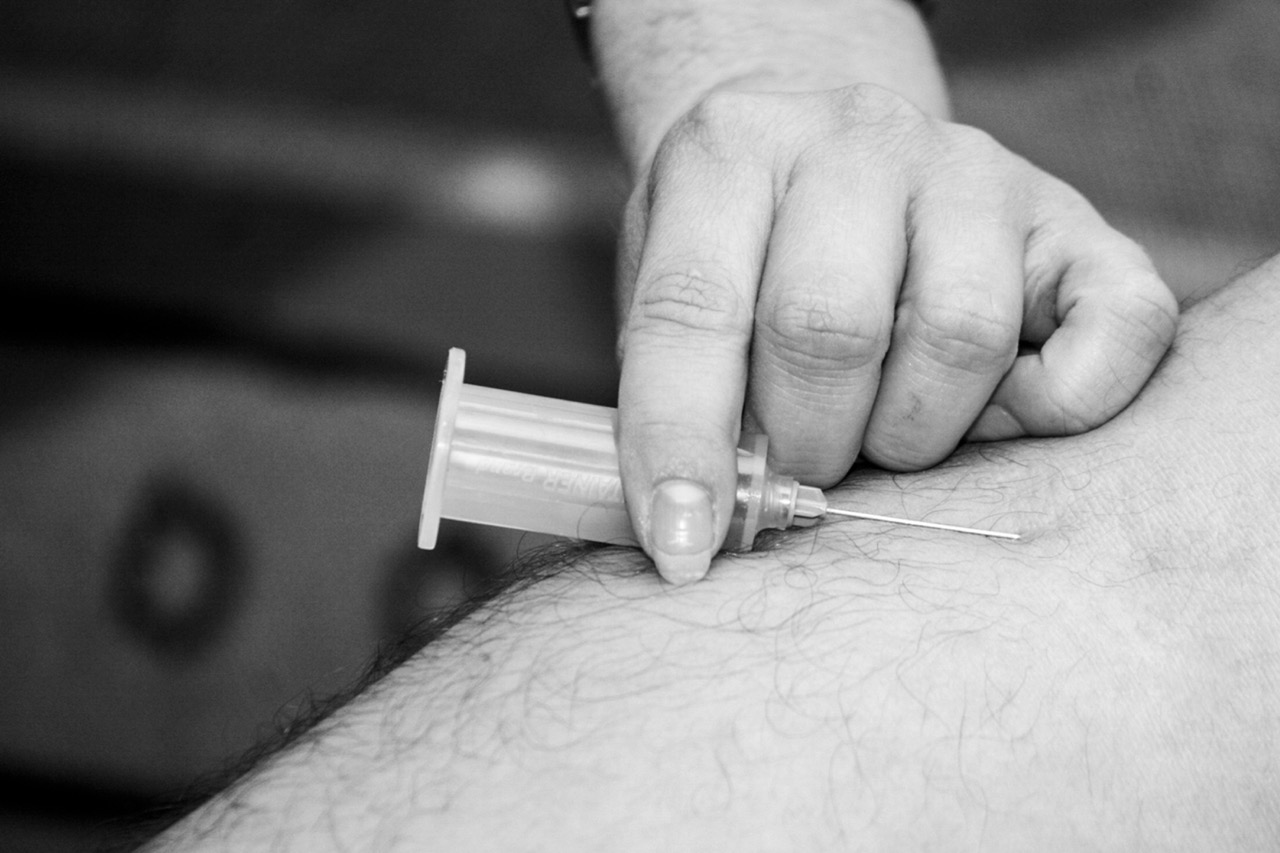
Preparation is key to managing anxiety on test day. Start by familiarizing yourself with the testing process. Understanding what to expect can significantly reduce feelings of uncertainty. Research the type of tests you may undergo, whether it’s a blood test, urine sample, or physical examination. Many healthcare providers even offer the option to discuss the testing process in advance, which can provide additional reassurance.
Practice self-care techniques leading up to the appointment. This could include deep breathing exercises, mindfulness meditation, or even light physical activity. Taking care of your body and mind can help mitigate anxiety levels. Consider engaging in calming activities that you enjoy to help center yourself before the test. Surrounding yourself with supportive friends or family members who understand your situation can also provide comfort.
Finally, arrive at the testing facility with plenty of time to spare. Rushing can heighten anxiety, so give yourself the grace of time to settle in. If you start feeling overwhelmed, remind yourself of the reasons you are getting tested and focus on the empowering aspect of taking charge of your health. You have taken a vital step, and that is something to be proud of.
What to Expect and How to Prepare for Your Results
After your test, it’s natural to experience a range of emotions while waiting for your results. The typical timeframe for receiving results can vary, but it generally ranges from a few days to a couple of weeks, depending on the type of test. During this waiting period, stay occupied with activities you enjoy and try to focus on positive thoughts. Keep in mind that regardless of the outcome, you are taking steps to prioritize your health.
When it comes time to discuss your results, be prepared to ask questions. If your test is positive, remember that many STIs are treatable, and your healthcare provider can guide you through treatment options. They can also suggest steps to take for informing partners and managing your overall sexual health moving forward. It can be helpful to write down questions in advance so that you feel equipped during the conversation.
If your results are negative, celebrate the news, but remember that regular testing remains important for ongoing health. Use this as an opportunity to discuss preventive measures, such as practicing safe sex and getting vaccinated against preventable STIs. Empower yourself with knowledge and continue to engage in discussions about sexual health with your partners and healthcare providers.
Preparing emotionally for an STI test is an important part of the process that often goes unaddressed. By acknowledging your feelings, dispelling myths, and following practical tips, you can approach the test with more confidence and less anxiety. Remember that taking control of your sexual health is a courageous step, and you are not alone in this journey. Whether the results are positive or negative, you have the power to manage your health moving forward.