



Gonorrhoea, a common sexually transmitted infection (STI), poses significant public health challenges worldwide. Traditional methods of diagnosing this infection often involve culture tests and microscopy, which can be time-consuming and less sensitive. However, Polymerase Chain Reaction (PCR) technology has emerged as a powerful tool in the realm of gonorrhoea testing. By amplifying and detecting the genetic material of the Neisseria gonorrhoeae bacteria, PCR offers a rapid and highly accurate diagnosis, thus improving management and treatment efforts for individuals and public health systems alike.
Understanding PCR Technology in Gonorrhoea Testing Methods
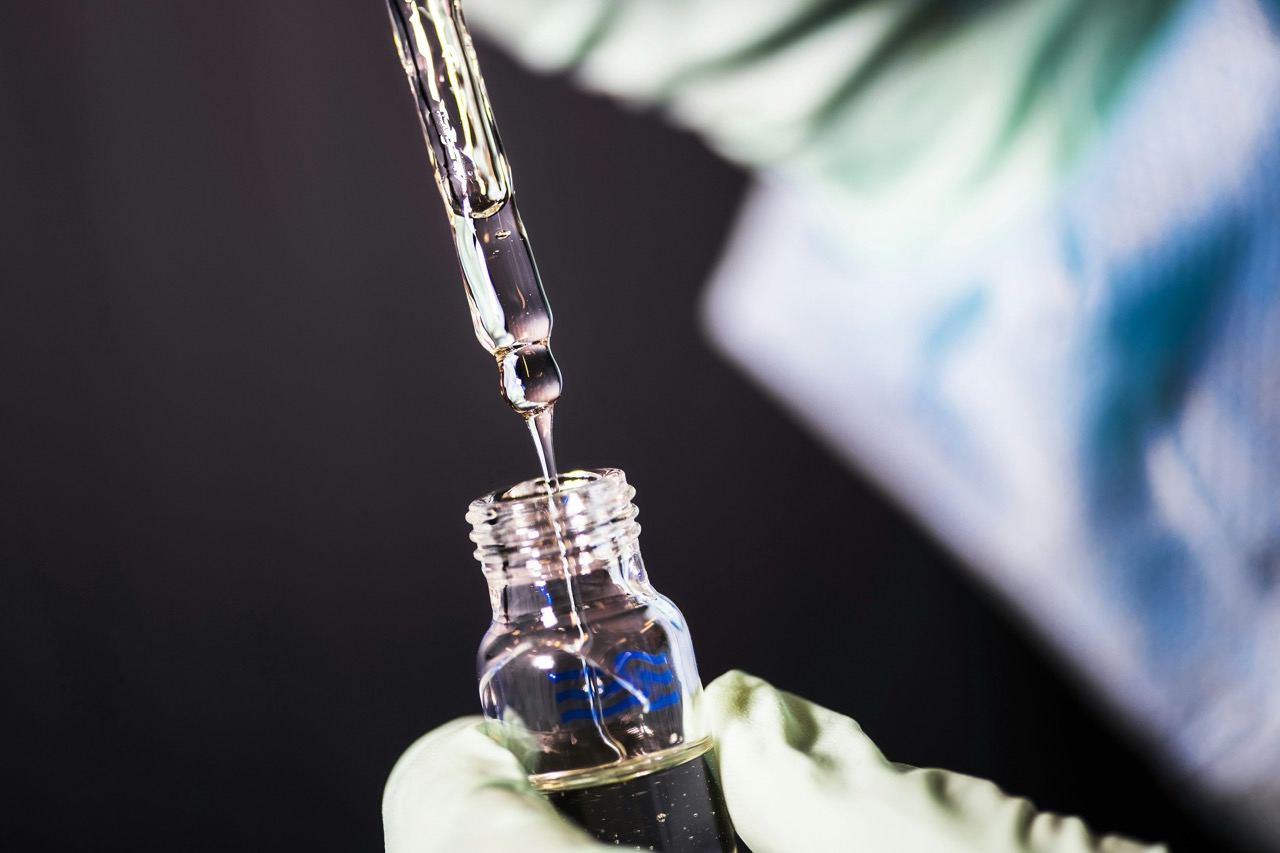
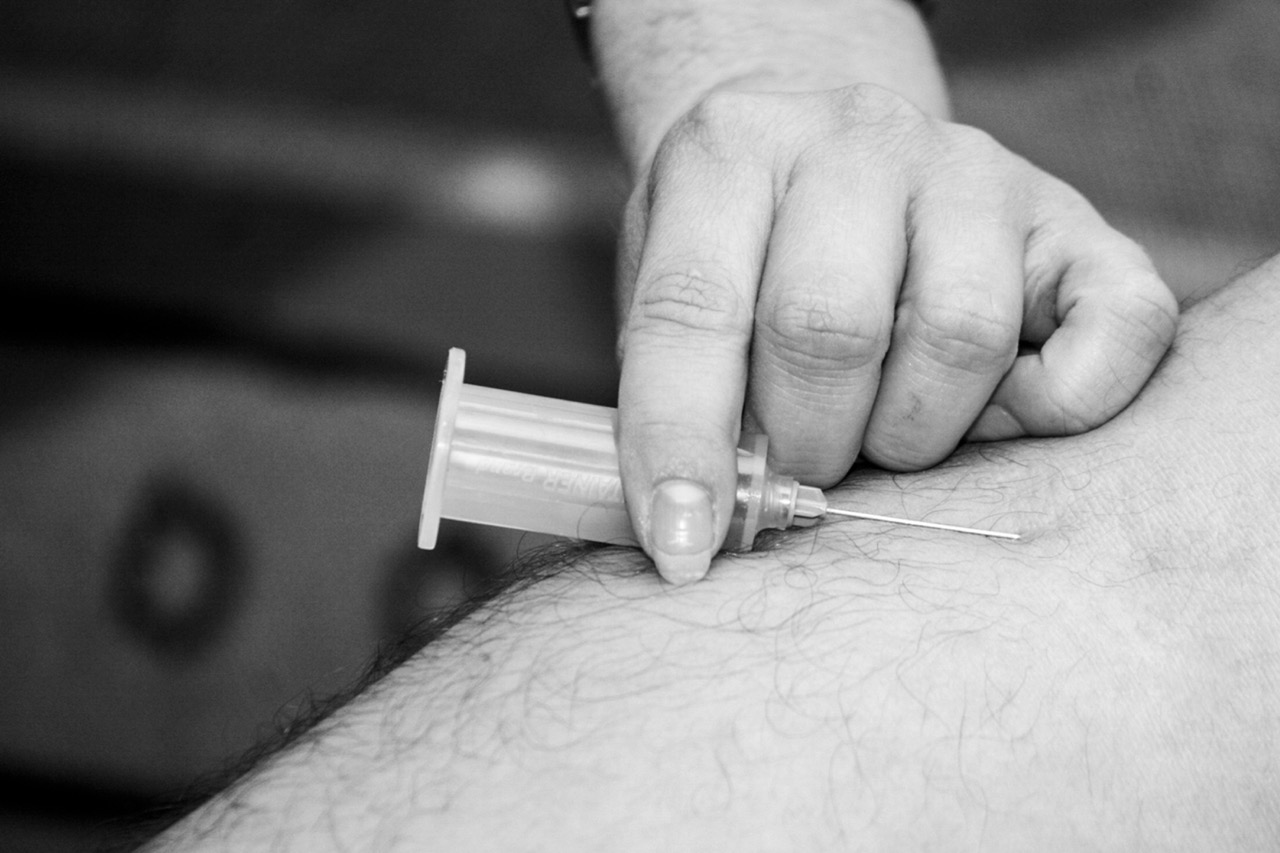
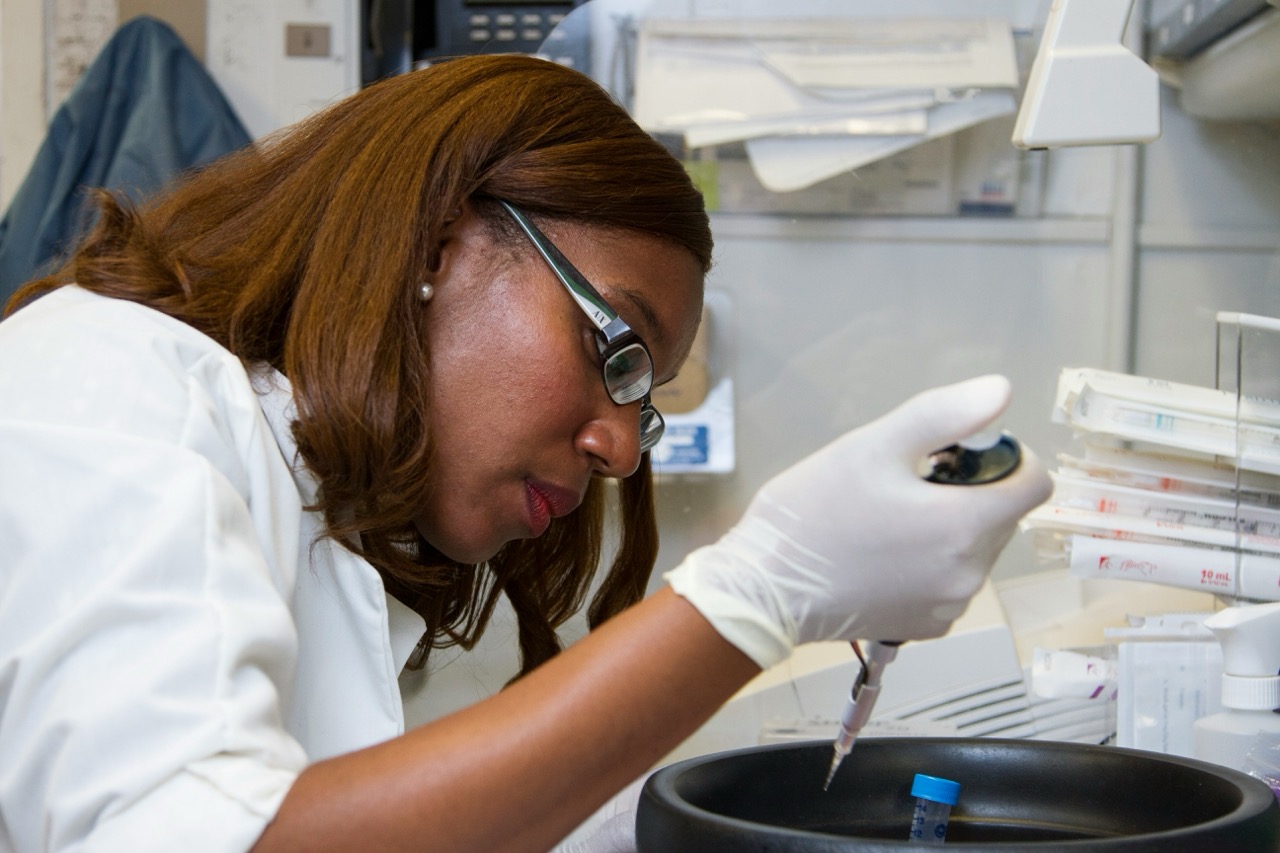
PCR, or Polymerase Chain Reaction, is a molecular biology technique that allows for the amplification of small segments of DNA. In the context of gonorrhoea testing, PCR identifies the presence of the Neisseria gonorrhoeae bacterium by targeting specific genetic sequences. The process begins with collecting a sample, usually from a urine test or a swab from the genital area, throat, or rectum. The sample is then processed in a laboratory where PCR technology is applied to replicate the bacterial DNA, making it detectable even in small quantities.
One of the noteworthy advantages of PCR testing for gonorrhoea is its high sensitivity and specificity. This means that the test is less likely to produce false negatives or false positives compared to traditional methods. The rapid turnaround time associated with PCR also ensures that individuals receive timely results, allowing them to seek treatment quickly if needed. This is particularly critical since untreated gonorrhoea can lead to serious health complications, including infertility and increased susceptibility to HIV.
Moreover, PCR technology can detect various strains of Neisseria gonorrhoeae, including those that may be resistant to antibiotics. This capability is essential in guiding appropriate treatment options, particularly as antibiotic resistance becomes more prevalent. By employing PCR in gonorrhoea testing, healthcare providers can tailor treatment strategies, promoting effective management of the infection and safeguarding public health.
Benefits and Limitations of PCR for Gonorrhoea Diagnosis
The benefits of using PCR for gonorrhoea diagnosis extend beyond just accurate detection. The technique is non-invasive and can often be performed using self-collected samples, which enhances privacy and comfort for individuals undergoing testing. This aspect of accessibility is vital, especially considering the stigma that can surround STIs. With the ability to conduct tests in a variety of settings, including clinics and at-home sampling kits, PCR testing aligns with efforts to destigmatize sexual health and encourage regular screening.
Another significant advantage is the quick processing time. Many PCR tests can return results within a matter of hours to a couple of days, significantly faster than traditional culture methods, which can take days to weeks. This speed is especially important for sexual partners, as timely treatment can help prevent further transmission of the infection. Furthermore, the ability to detect co-infections, such as chlamydia alongside gonorrhoea, ensures comprehensive sexual health evaluations.
However, PCR testing is not without its limitations. The cost of PCR tests can be higher than traditional methods, potentially limiting accessibility for some individuals. Additionally, the requirement for specialized laboratory equipment and trained personnel may not be feasible in all healthcare settings, particularly in low-resource environments. There is also the potential for contamination during the testing process, which could lead to inaccurate results. Therefore, while PCR technology represents a significant advancement in gonorrhoea testing, it is essential to consider these factors in the broader context of sexual health services.
In summary, PCR technology has revolutionized the testing landscape for gonorrhoea, offering rapid and accurate results that enhance patient care and public health responses. By understanding the workings of PCR, its benefits, and its limitations, individuals can make informed decisions regarding their sexual health. Regular testing, open communication with partners, and timely treatment are key components of managing sexually transmitted infections effectively. Empowering oneself with knowledge fosters a proactive approach to sexual health, contributing to overall well-being and safety.