




In the realm of sexual health, accurate and timely testing is crucial for both individual well-being and public health. Chlamydia, one of the most common sexually transmitted infections (STIs), can have significant health implications if left untreated. Fortunately, advancements in testing technology, particularly Polymerase Chain Reaction (PCR), have revolutionized how we detect and manage this infection. This article explores the fundamentals of PCR technology, the benefits it offers over traditional methods, preparation for testing, and how to interpret results effectively.
Understanding PCR Technology in Chlamydia Testing
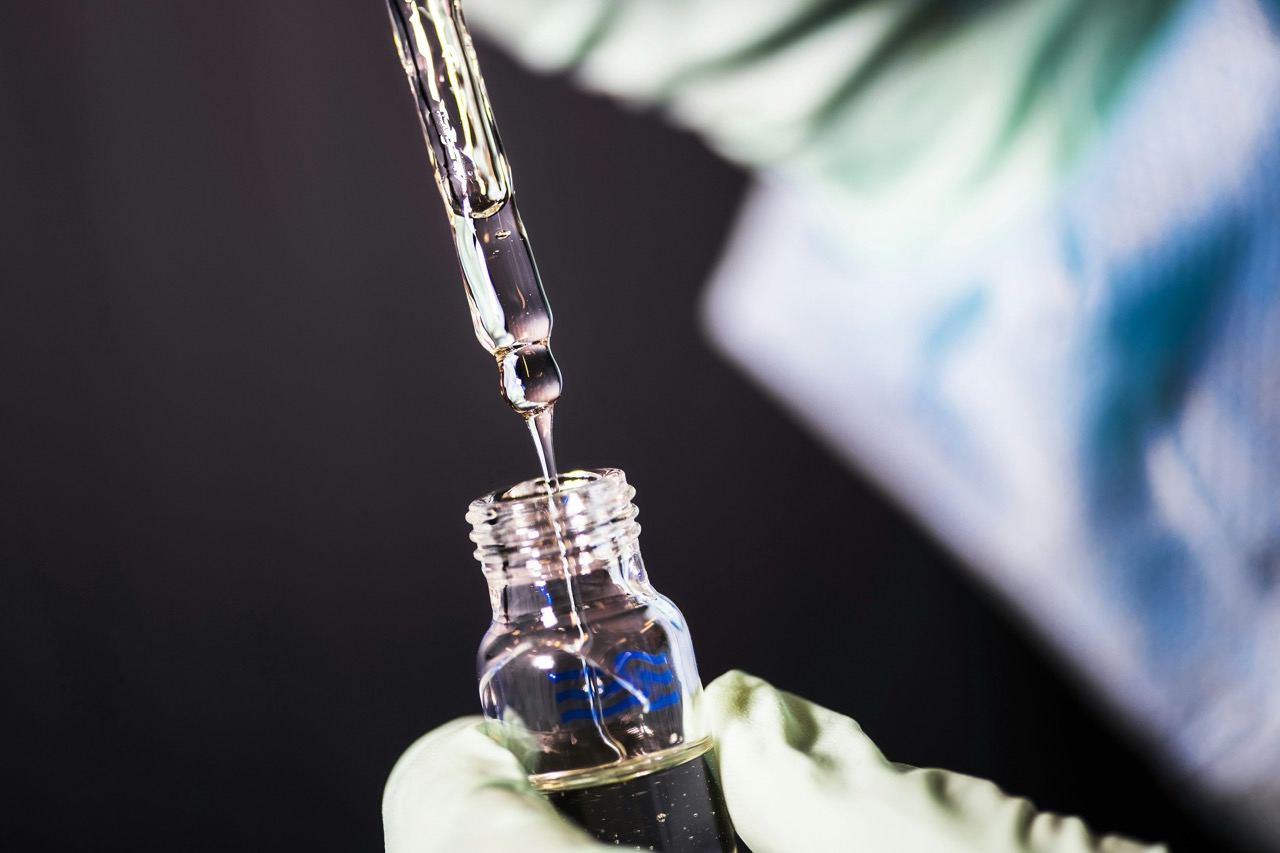
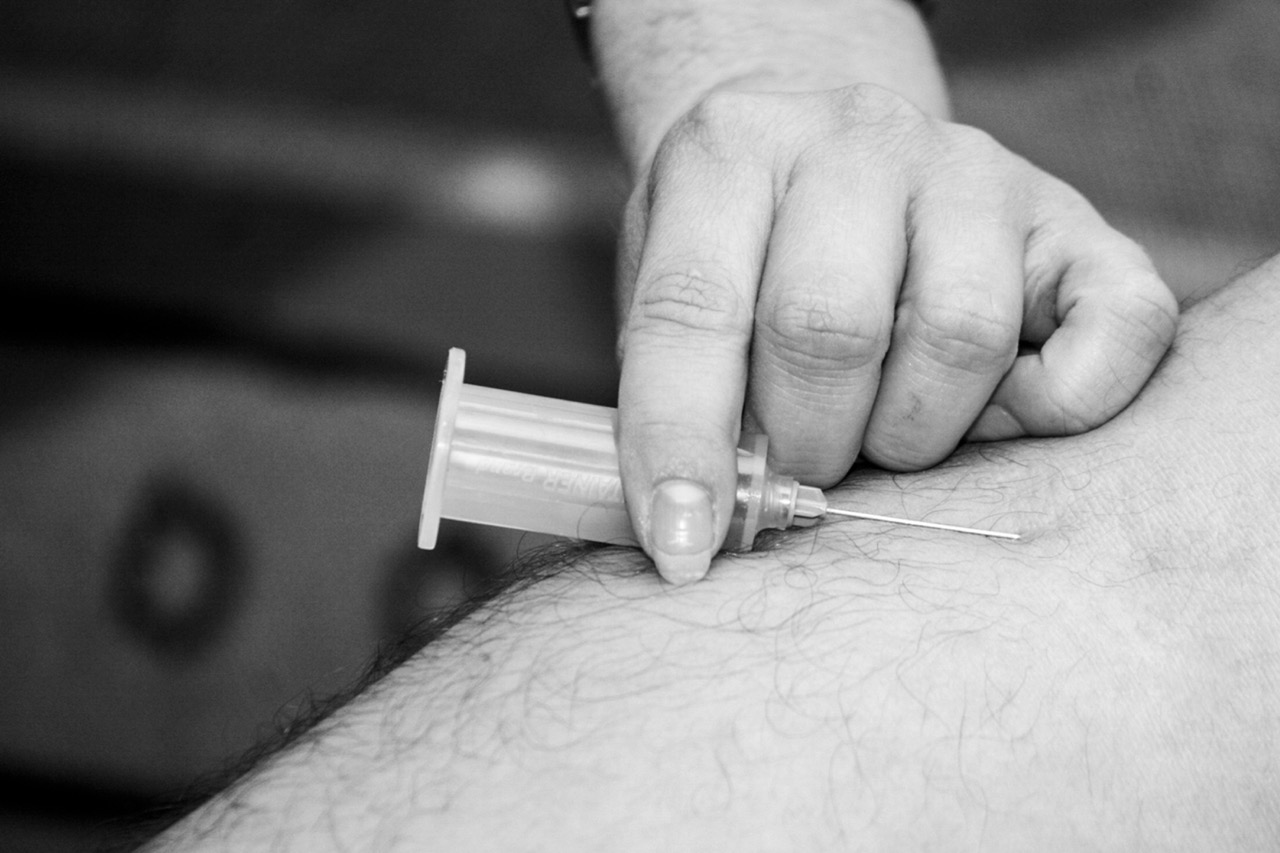
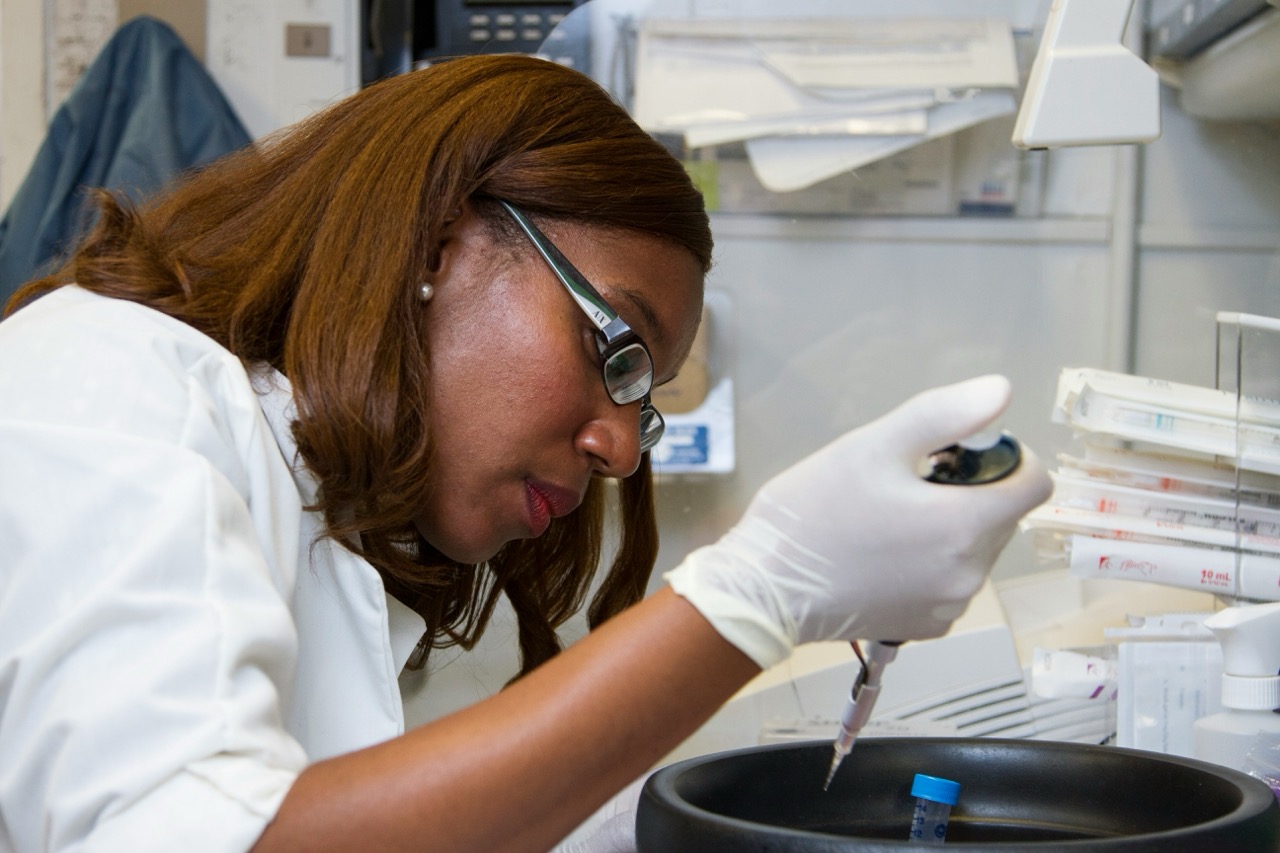
PCR technology is a molecular biology method that amplifies specific DNA sequences, making it easier to detect the presence of pathogens, such as the bacteria that cause chlamydia. This technique works by taking a small sample, often from urine or a swab from the genital area, and then replicating the target DNA millions of times. This amplification allows healthcare providers to identify the infection even when it is present in very low quantities.
The precision of PCR testing is one of its most significant advantages. It can accurately distinguish between chlamydia and other similar infections, leading to more targeted treatment options. Additionally, PCR tests can be performed on various sample types, providing flexibility and convenience for patients. It is also highly sensitive, meaning that it can detect chlamydia even in asymptomatic individuals, who might otherwise remain unaware of their infection.
By utilizing PCR technology, healthcare providers can ensure a quicker diagnosis and, consequently, a more rapid initiation of treatment. This is especially crucial in preventing the long-term health issues associated with untreated chlamydia, such as infertility and pelvic inflammatory disease. The advancement of PCR tests represents a significant leap forward in the fight against STIs, enhancing our ability to maintain sexual health.
The Benefits of PCR over Traditional Testing Methods
Traditional testing methods for chlamydia, such as culture tests, often require a longer turnaround time and can be less sensitive. These methods involve growing the bacteria in a lab setting, a process that can take days and may fail to detect low-level infections. In contrast, PCR tests provide results in a matter of hours, making them a more efficient choice for both healthcare providers and patients.
Moreover, the accuracy of PCR testing significantly reduces the chances of false negatives, which can lead to untreated infections. With traditional methods, a false negative might result in significant health risks, including the possibility of spreading the infection to partners. PCR’s high sensitivity ensures that most cases of chlamydia are detected, leading to timely treatment and reducing the risk of complications.
Another advantage of PCR technology is its ability to test for multiple infections simultaneously. Many modern PCR tests can screen for various STIs at once, which is particularly beneficial given that chlamydia often coexists with other infections. This multi-faceted approach not only streamlines the testing process but also ensures comprehensive sexual health management.
How to Prepare for Your Chlamydia PCR Test
Preparing for a chlamydia PCR test is straightforward, but taking a few simple steps can improve the accuracy of your results. First, it’s advisable to avoid urinating for at least one hour before the test if you are providing a urine sample. This helps concentrate the urine, allowing for a better chance of detecting the presence of the chlamydia bacteria.
If you are undergoing a swab test, whether from the cervix or the urethra, ensure that you follow any specific instructions provided by your healthcare provider. In some cases, you may be asked to refrain from sexual activity for a short period before testing to avoid contamination. It’s important to communicate openly with your healthcare provider about any medications you are taking, as some can interfere with test results.
Lastly, make sure to schedule your test at a reputable healthcare facility that prioritizes confidentiality and comfort. Understanding that this is a common procedure can help ease any anxiety you may feel. Remember, taking the step to get tested is a proactive measure in maintaining your sexual health.
Interpreting Your Results: What They Mean for You
Once you receive your PCR test results, understanding what they mean is crucial for your health. A positive result indicates that chlamydia bacteria have been detected, and it is essential to consult with your healthcare provider for immediate treatment options. Effective antibiotics can clear the infection, and your provider will guide you through the necessary steps to ensure complete recovery.
If your results are negative, it may still be advisable to discuss your sexual health with your provider, especially if you are experiencing symptoms or have recently been exposed to a partner diagnosed with chlamydia. It is also crucial to remember that no test is perfect; if symptoms persist, further evaluation might be necessary.
Moreover, regardless of your test results, consider informing sexual partners about your testing and treatment. Open communication can help prevent the spread of infections and is an essential part of responsible sexual health practices. Engaging in regular testing and adopting safer sex practices, such as using condoms, can significantly reduce your risk of contracting STIs in the future.
PCR technology has transformed chlamydia testing, making it faster, more accurate, and more accessible than ever before. Understanding how PCR works, the benefits it offers over traditional methods, preparation steps, and result interpretation is vital for anyone engaged in sexual activities. By prioritizing testing and open communication about sexual health, individuals can take proactive steps toward maintaining their well-being and that of their partners. Remember, seeking help and information is a sign of strength, and taking control of your sexual health is an empowering choice.