






Traveling can be an exhilarating experience, offering the chance to explore new cultures and meet new people. However, it can also introduce complexities regarding sexual health, particularly when it comes to testing for sexually transmitted infections (STIs) like gonorrhoea. The timing of testing and understanding options while abroad can significantly impact one’s health decisions. This article will delve into how travel influences gonorrhoea testing decisions and what options are available for travelers.
The Impact of Travel on Gonorrhoea Testing Timing
Travel often alters the traditional timelines for STI testing. Gonorrhoea, caused by the bacterium Neisseria gonorrhoeae, can present symptoms such as painful urination and unusual discharge. These symptoms may not surface immediately, and the incubation period can range from 1 to 14 days. If someone is traveling during this window, they may find it challenging to determine the best time to get tested. The urgency of testing might increase after exposure, particularly if engaging in sexual activities with new partners.
When traveling, individuals should be aware of the testing guidelines associated with gonorrhoea. The Centers for Disease Control and Prevention (CDC) recommends testing at least a week after potential exposure to allow for accurate results. This timeline can be complicated by travel schedules, leading to delayed testing and potential complications like untreated infections. Moreover, some travelers may feel embarrassed about seeking testing in foreign healthcare systems, fearing stigma or a lack of confidentiality.
Another factor affecting testing timing is the availability of healthcare services at travel destinations. Some regions may have limited access to STD testing facilities or may not offer specialized services for STIs. This limitation can lead to postponing testing or relying on self-testing kits, which may not always be reliable. It’s essential for travelers to research local healthcare options, including clinics that offer sexual health services, to ensure they can access timely and confidential testing.
Understanding Your Testing Options While Traveling Abroad
While traveling abroad, individuals may encounter various testing options for gonorrhoea. Many countries have public health clinics and private healthcare providers that offer testing services. However, the quality and accessibility of these services can vary widely. Before traveling, it’s advisable to research local healthcare systems, identify reputable clinics, and understand the costs associated with testing. Knowing where to go can alleviate anxiety and ensure you are prepared to seek help if needed.
Some travelers may consider utilizing at-home testing kits, which have become increasingly popular. These kits allow individuals to collect their own samples and send them to a laboratory for analysis. While they can provide a convenient option, especially in regions with limited access to healthcare, it’s vital to choose reputable brands and ensure the kit has FDA approval or similar certifications. Understanding how to properly use these kits and interpret results is crucial for maintaining sexual health while traveling.
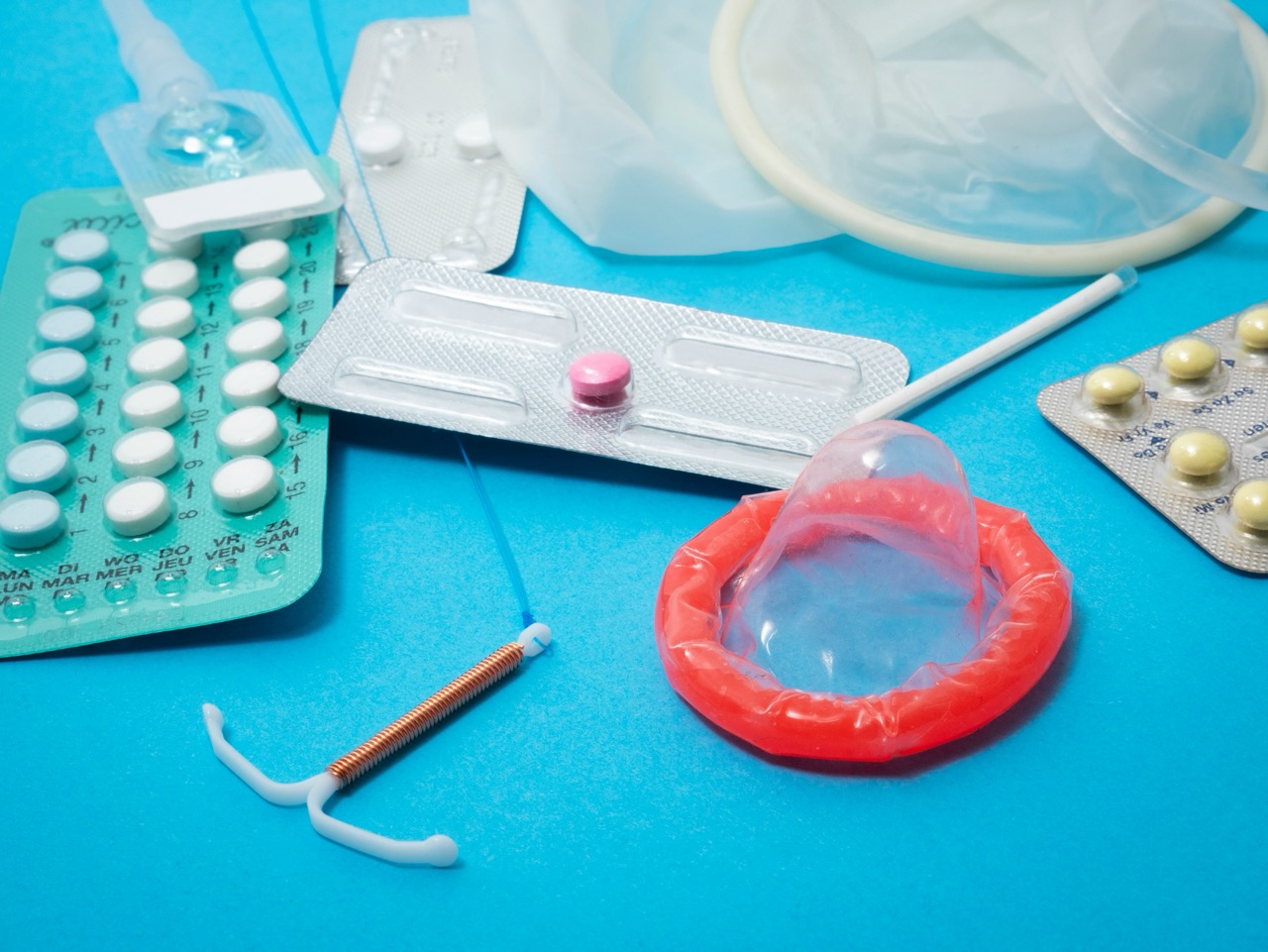
In addition to testing options, travelers should also think about preventive measures. Using barrier methods such as condoms can significantly reduce the risk of contracting gonorrhoea and other STIs. Educating oneself on local sexual health practices and seeking information about the prevalence of STIs in different regions can empower individuals to make informed decisions. Ultimately, maintaining open communication with partners about sexual health, testing, and prevention methods is key to ensuring safety while enjoying the adventure of travel.
Traveling can be a wonderful way to broaden horizons, but it also requires thoughtful consideration regarding sexual health. Understanding the impact of travel on gonorrhoea testing decisions and knowing your testing options while abroad can help safeguard your well-being. By staying informed and prioritizing health, travelers can enjoy their journeys with confidence, ensuring that their sexual health remains a priority even when exploring new places.