






Chlamydia is one of the most common sexually transmitted infections (STIs) worldwide, yet many remain unaware of its implications and testing methods. The reliability of chlamydia tests has significantly improved in recent years, making it easier for individuals to get accurate results and take control of their sexual health. In this article, we’ll explore the ins and outs of chlamydia testing, focusing on accuracy, interpretation of results, and guidelines for testing frequency. Our aim is to provide a compassionate and informative resource to help you stay informed and proactive about your sexual well-being.
Understanding Chlamydia Testing: Key Facts You Need to Know
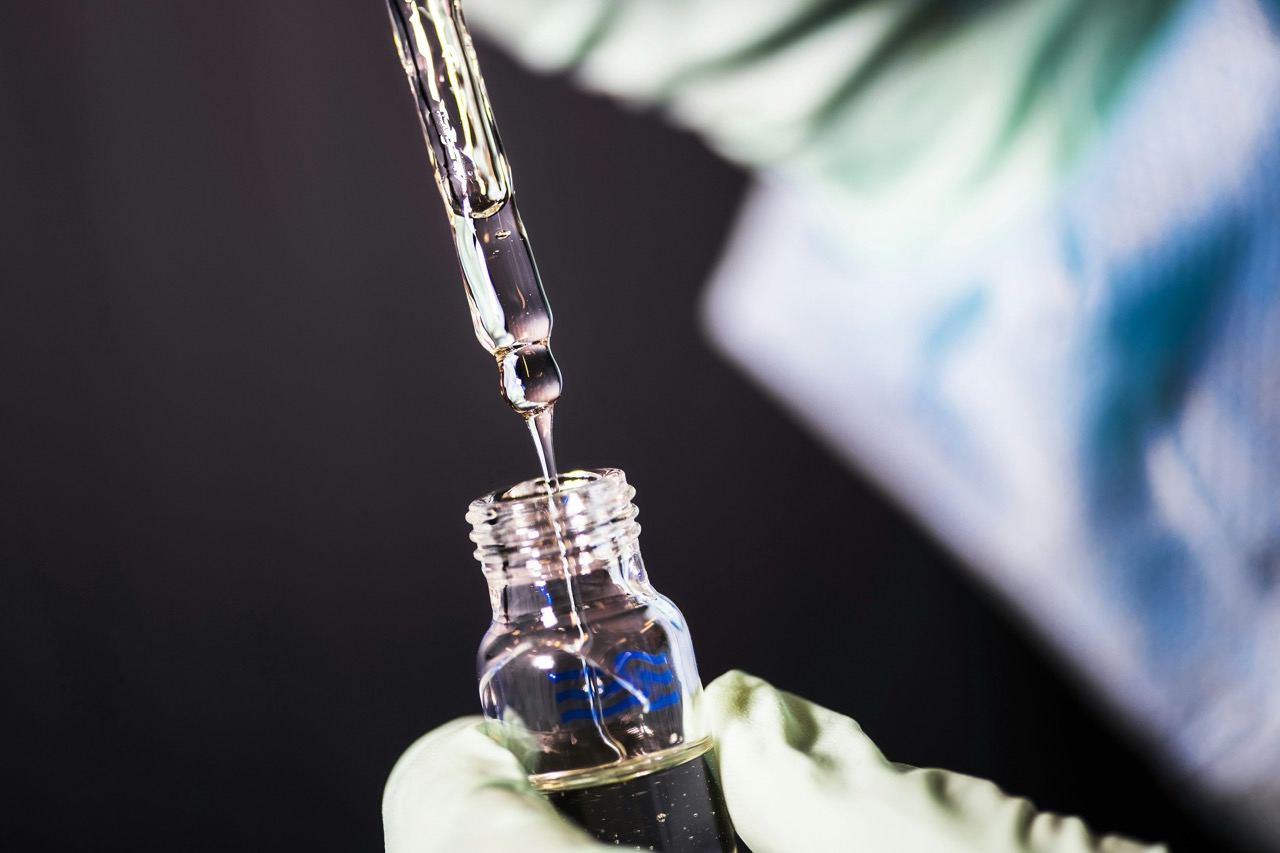
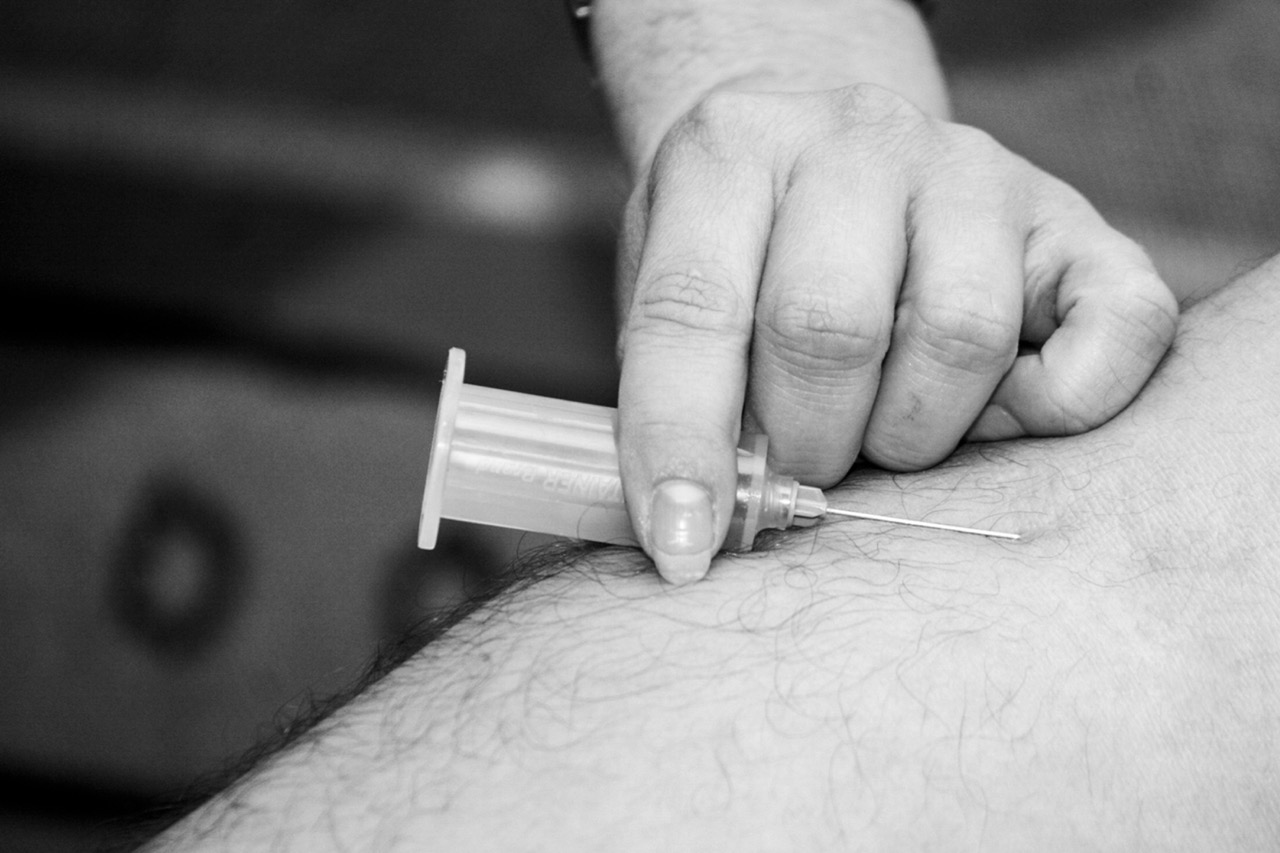
Chlamydia is caused by the bacterium Chlamydia trachomatis, and it can lead to serious health complications if left untreated. Testing for chlamydia typically involves a urine sample or a swab from the genital area, throat, or rectum, depending on sexual practices. For many, the process is quick and straightforward, often taking place in a healthcare provider’s office, clinic, or even at home with self-collection kits.
It’s important to note that chlamydia can be asymptomatic, meaning many individuals may not experience symptoms but can still transmit the infection. This underscores the importance of regular testing, especially for sexually active individuals under 25 or those with multiple partners. Understanding the testing process can help alleviate any anxiety about the visit and encourage more people to prioritize their sexual health.
Privacy is paramount when it comes to chlamydia testing. Many clinics offer confidential services, ensuring your results and personal information remain secure. Knowing that you can access testing without fear of judgment can empower individuals to take crucial steps in safeguarding their health and the health of their partners.
Accuracy of Modern Tests: What the Research Shows Today
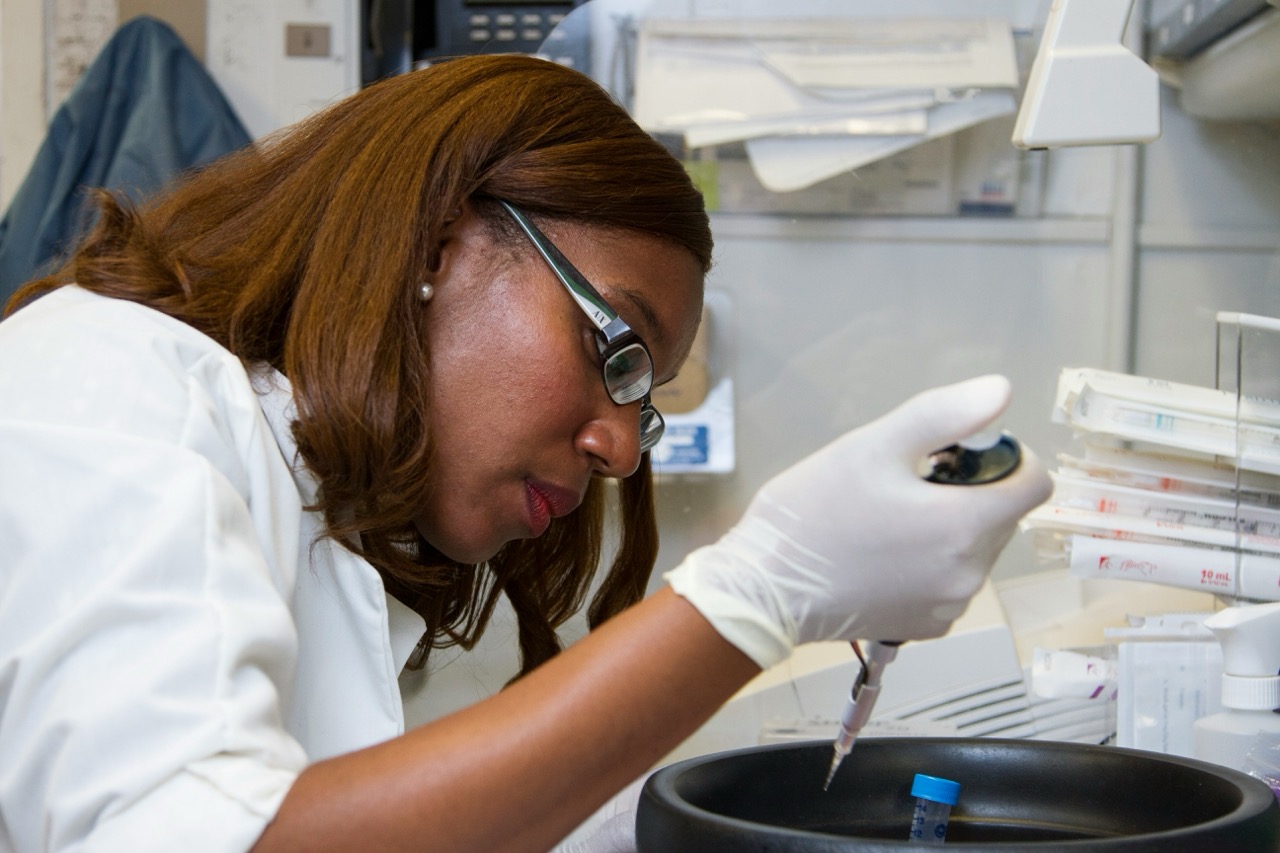
The accuracy of chlamydia tests has come a long way, with current testing methods boasting high sensitivity and specificity rates. Nucleic acid amplification tests (NAATs) are the gold standard, detecting the genetic material of the bacteria in a sample. These tests are highly reliable, with sensitivity rates often exceeding 90%, meaning they are very effective at identifying infections when present.
Research indicates that the accuracy of chlamydia tests can vary based on several factors, including the type of test used and the sample collection method. In general, urine tests are less invasive and comfortable for many individuals, and studies show they have comparable accuracy to swabs when performed correctly. This has led to increased acceptance and use of urine testing among populations who may have previously avoided testing due to discomfort.
Despite their reliability, no diagnostic test is perfect. False negatives can occur, particularly if the test is taken shortly after exposure when the infection may not be detectable yet. Therefore, if you suspect exposure to chlamydia or experience symptoms, it’s essential to consult a healthcare provider for guidance on retesting or additional screening.
Interpreting Your Chlamydia Test Results: A Helpful Guide
Understanding your chlamydia test results can be daunting, but it’s important to approach them with clarity. If your test comes back positive, it means that chlamydia bacteria were detected in your sample. This diagnosis is not a cause for shame but should prompt immediate action, such as informing sexual partners and seeking treatment. Chlamydia is easily treatable with antibiotics, and early intervention can prevent complications.
Conversely, a negative test result suggests that no chlamydia bacteria were detected in your sample. However, if you have recent exposure or continue to experience symptoms, it’s advisable to follow up with your healthcare provider. They may recommend retesting to ensure that the infection hasn’t gone unnoticed.
Lastly, remember that test results are just one part of your sexual health journey. Engaging in open conversations with partners about testing, practicing safe sex, and staying informed about STIs can further empower you to make healthy decisions moving forward.
When and How Often Should You Get Tested for Chlamydia?
The Centers for Disease Control and Prevention (CDC) recommend that sexually active individuals under 25 should get tested for chlamydia annually. If you have multiple sexual partners or engage in high-risk behaviors, more frequent testing may be advisable. Regular testing helps catch infections early, reducing the risk of complications like infertility or chronic pelvic pain.
In addition to routine testing, it’s crucial to get tested after any new sexual partner or if you suspect exposure to an STI. Symptoms like unusual discharge, burning during urination, or abdominal pain warrant immediate testing as well. Staying proactive about your sexual health can help mitigate risks for both you and your partners.
Lastly, many clinics offer convenient testing options, including at-home kits and telehealth consultations, making it easier than ever to prioritize your sexual health. Remember, taking the initiative to get tested can make a significant difference in maintaining not only your health but also the health of those around you.
In conclusion, the reliability of chlamydia tests has improved significantly, with modern methods offering high accuracy and accessibility. Understanding the testing process, how to interpret results, and knowing when to get tested are crucial steps in safeguarding your sexual health. By promoting awareness and encouraging open conversations about STIs, we can empower individuals to take charge of their well-being. Always remember that seeking help is a sign of strength, and prioritizing your health is an essential part of a fulfilling life.