






Postal testing kits have revolutionized the way individuals approach sexual health. With a focus on privacy and convenience, these kits allow users to test for sexually transmitted infections (STIs) from the comfort of their homes. Understanding how these kits function behind the scenes is crucial for anyone considering this option. This article will break down the components of postal testing kits, the process involved in sending samples, how laboratories analyze these samples, and the measures in place to ensure your privacy and security throughout the testing journey.
Understanding the Components of Postal Testing Kits
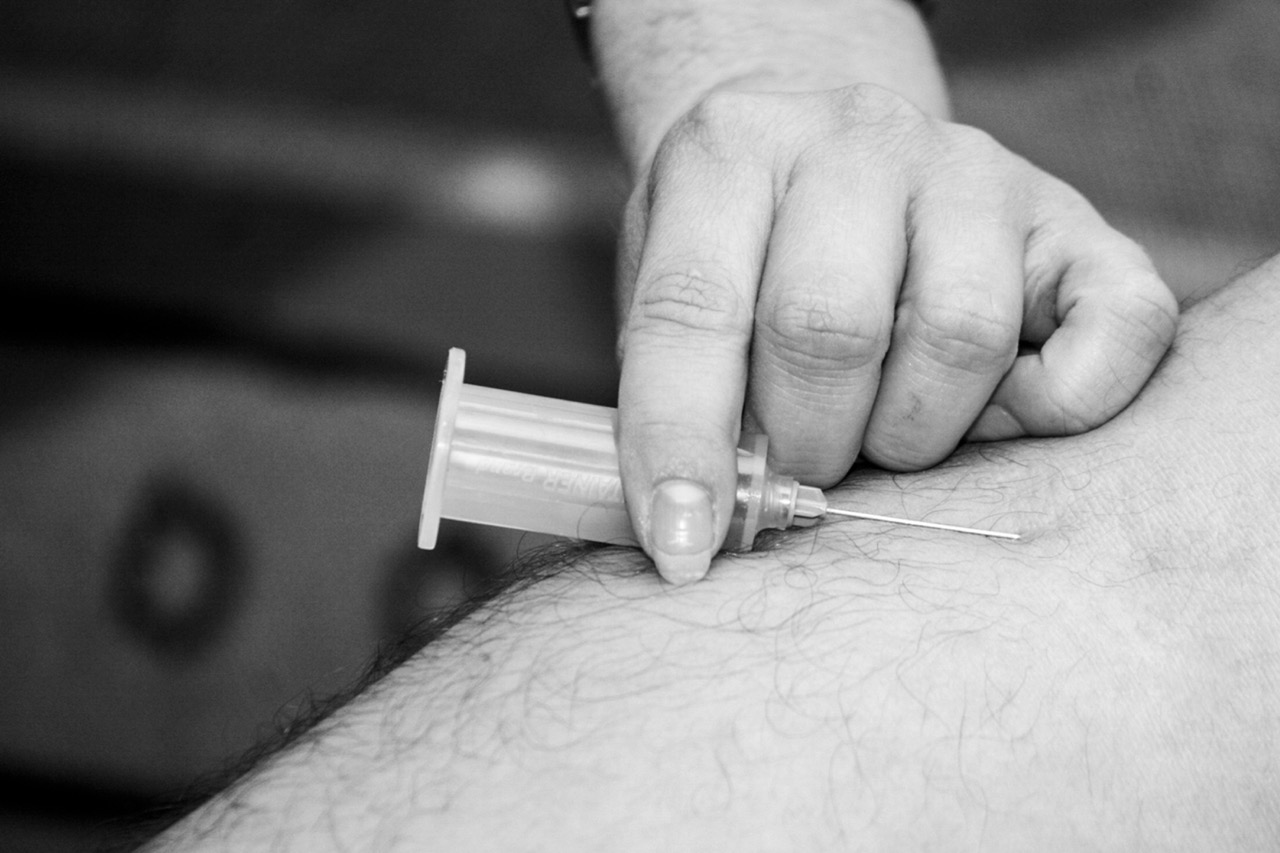
Postal testing kits typically come equipped with everything necessary for a seamless testing experience. At the core, these kits usually include a sample collection device, such as swabs or vials, designed specifically for different types of tests—whether blood, urine, or swab samples. Each kit is generally accompanied by detailed instructions that guide the user through the collection process, ensuring that they can obtain the necessary samples effectively and without confusion.
In addition to the collection devices, postal testing kits often feature a pre-paid return envelope, ensuring that sending your sample to the laboratory is hassle-free. Many kits also include information about the specific STIs being tested for, helping users to understand what to expect. This education is vital, as it not only prepares individuals for the testing process but also helps dispel misinformation about STIs and their implications.
Lastly, most reputable postal testing kits will offer anonymity and confidentiality features, such as non-identifiable packaging. This means that your privacy is preserved from the moment the kit arrives at your home to when you send your sample back, making the entire process discreet and less intimidating.
The Step-by-Step Process of Sending Your Sample
Once you’ve received your postal testing kit, the first step is to carefully read the instructions provided. Following these guidelines is essential for ensuring that your sample is collected properly. For instance, if the kit requires a urine sample, you may need to avoid certain substances or medications beforehand to ensure accurate results. Each type of sample has its own collection method, and understanding these nuances helps avoid potential errors.
After collecting your sample, the next step involves securely packaging it in the supplied materials. This usually means placing it in a protective container and sealing it within the return envelope. It’s crucial to double-check that everything is sealed correctly to prevent leakage or contamination during transit. Many kits also come with a tracking number, allowing you to monitor the journey of your sample back to the laboratory.
Finally, you’ll drop the package in a postal box for delivery. Depending on your location and the postal service used, this process can be quick and efficient. Once the laboratory receives your sample, the analysis process can begin, and you can typically expect results within a few days.
How Laboratories Analyze Postal Test Samples
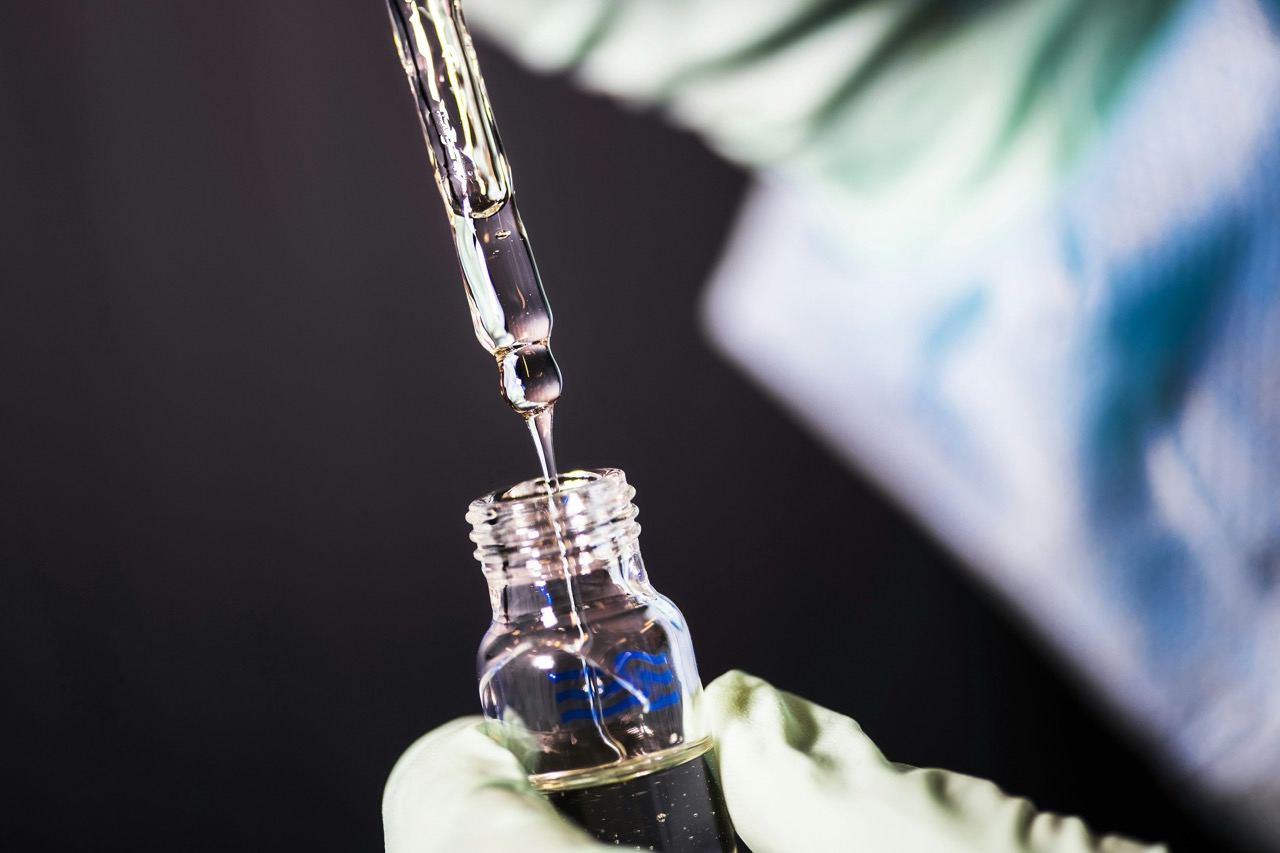
Once your sample arrives at the laboratory, it undergoes a series of rigorous tests to determine if any STIs are present. Laboratories are equipped with advanced technology that can detect even trace amounts of pathogens, ensuring a high level of accuracy. For instance, molecular tests such as PCR (polymerase chain reaction) are often used for detecting bacterial and viral infections, while serological tests can identify antibodies in blood samples, indicating past or present infections.
The analysis process is conducted by trained professionals who adhere to strict protocols to maintain the integrity of the samples. Each sample is logged into a system that tracks its progress through the testing stages, ensuring that nothing goes amiss. The use of advanced data management systems not only enhances efficiency but also minimizes the potential for human error.
After analysis, results are compiled and reviewed to ensure accuracy before they are sent to the individuals who submitted the samples. Many laboratories prioritize timely reporting, allowing users to receive their results as soon as possible, which is crucial for timely treatment and care.
Ensuring Privacy and Security in Test Result Delivery
The delivery of test results is often a concern for individuals using postal testing kits, and reputable laboratories take this matter very seriously. Most results are communicated through secure online portals or by mail, ensuring that sensitive information remains confidential. Users typically create an account with a unique login to access their results, making it easy to retrieve them while ensuring that unauthorized individuals cannot access the information.
In addition to secure delivery methods, many laboratories employ encryption and other security measures to protect personal data. This is especially important given the sensitive nature of sexual health information. By implementing such technologies, laboratories are able to maintain a high standard of privacy throughout the entire testing process.
Furthermore, users are encouraged to discuss their results with healthcare professionals, who can provide guidance on next steps or treatment options. This approach not only fosters a supportive environment but also empowers individuals to take charge of their sexual health confidently.
The convenience and privacy offered by postal testing kits make them an appealing option for many individuals looking to assess their sexual health. Understanding how these kits work behind the scenes can help alleviate concerns about the testing process and result delivery. From the components of the kits to the analysis performed in laboratories and the measures taken to ensure privacy, every aspect is designed with user safety in mind. Empowering yourself with knowledge about these processes can pave the way for informed decisions regarding your sexual health, ultimately leading to healthier outcomes.