





Gonorrhea, a common sexually transmitted infection (STI), is often asymptomatic, making regular testing crucial for maintaining sexual health. Understanding the timeline for gonorrhea test results can empower individuals to make informed decisions regarding their health and relationships. This article explores how long it typically takes to receive test results and the factors that may influence this timeline, providing clarity and support for anyone seeking information about STI testing.
Understanding the Timeline for Gonorrhoea Test Results
The time it takes to receive gonorrhea test results can vary depending on a few factors, including the type of test administered and the healthcare facility’s practices. In general, results from a gonorrhea test can be available within a few hours to a few days. Rapid tests, commonly used in some clinics, can provide results on the same day, allowing individuals to receive timely information and begin treatment if necessary. These rapid tests often involve a urine sample or a swab from the affected area.
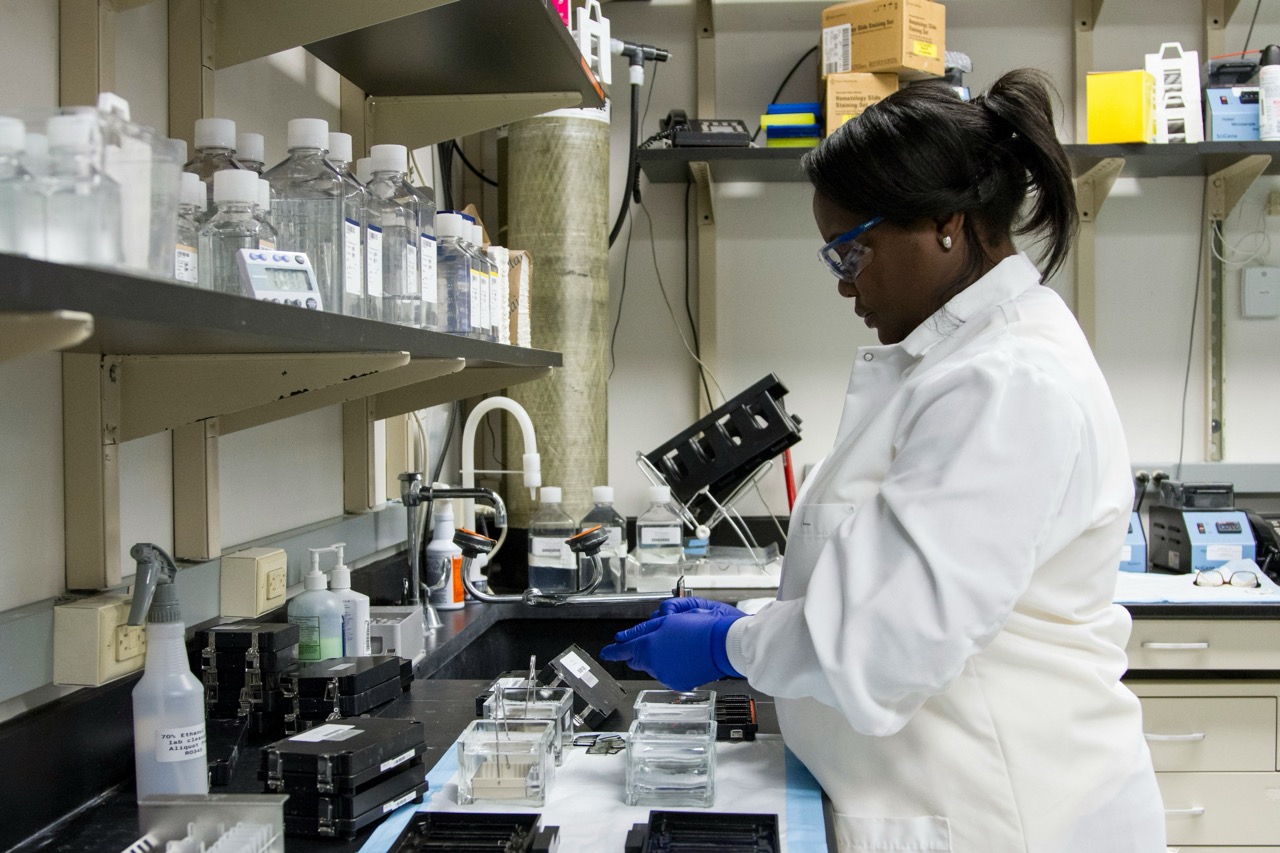
If standard lab tests are conducted, which may involve culturing the bacteria, the results can take longer—typically between two to seven days. These tests are more comprehensive and can offer additional insights, making them valuable for determining the most effective treatment. Many healthcare providers may suggest waiting for these results before making any assumptions, as they are generally considered more reliable than rapid tests.
Regardless of the test type, it’s essential to discuss with your healthcare provider what to expect regarding result timelines. Knowing when to follow up can reduce anxiety and ensure that you receive any necessary treatment promptly. Staying informed about the testing process is a key step in maintaining your sexual health.
Factors Influencing How Quickly You Get Your Results
Several factors can influence how quickly you receive your gonorrhea test results. One primary factor is the testing method itself. As mentioned earlier, rapid tests can yield immediate results, while standard lab tests take longer due to the need for bacterial culture and analysis. The choice of testing method often hinges on the facility’s resources, the healthcare provider’s recommendations, and the specific circumstances of the patient.
Another crucial factor is the healthcare facility’s workload and efficiency. Clinics that are busier may have longer turnaround times simply due to the volume of tests being processed. In some cases, especially in larger hospitals or testing centers, the time taken to communicate results may be extended. It can be helpful to inquire about the expected timeline directly from the facility where you are tested, as they may have specific protocols in place.
Lastly, geographical location can also affect testing timelines. In urban areas with a higher concentration of healthcare services, you may find quicker results compared to more rural locations, where fewer resources may mean longer wait times. Regardless of these variables, remember that your healthcare provider can offer support and guidance throughout the process, ensuring you remain informed every step of the way.
In conclusion, understanding the timeline for gonorrhea test results can alleviate anxiety and help individuals navigate their sexual health. Whether results are available on the same day through rapid tests or take a bit longer through standard lab tests, knowing what to expect is essential. Factors such as testing methods, facility efficiency, and geographic location can impact how quickly results are received, but open communication with healthcare providers can provide clarity and reassurance. By staying proactive about testing and treatment, individuals can take meaningful steps toward maintaining their sexual health and well-being.