




===
Chlamydia is one of the most common sexually transmitted infections (STIs), and it can often go unnoticed due to a lack of symptoms. As awareness around sexual health increases, so does the importance of understanding testing procedures and what to expect in terms of result timelines. This article aims to provide a comprehensive overview of how long it typically takes to receive chlamydia test results, what factors can influence this timeframe, and what steps to take following the receipt of results.
Understanding Chlamydia Testing: What to Expect
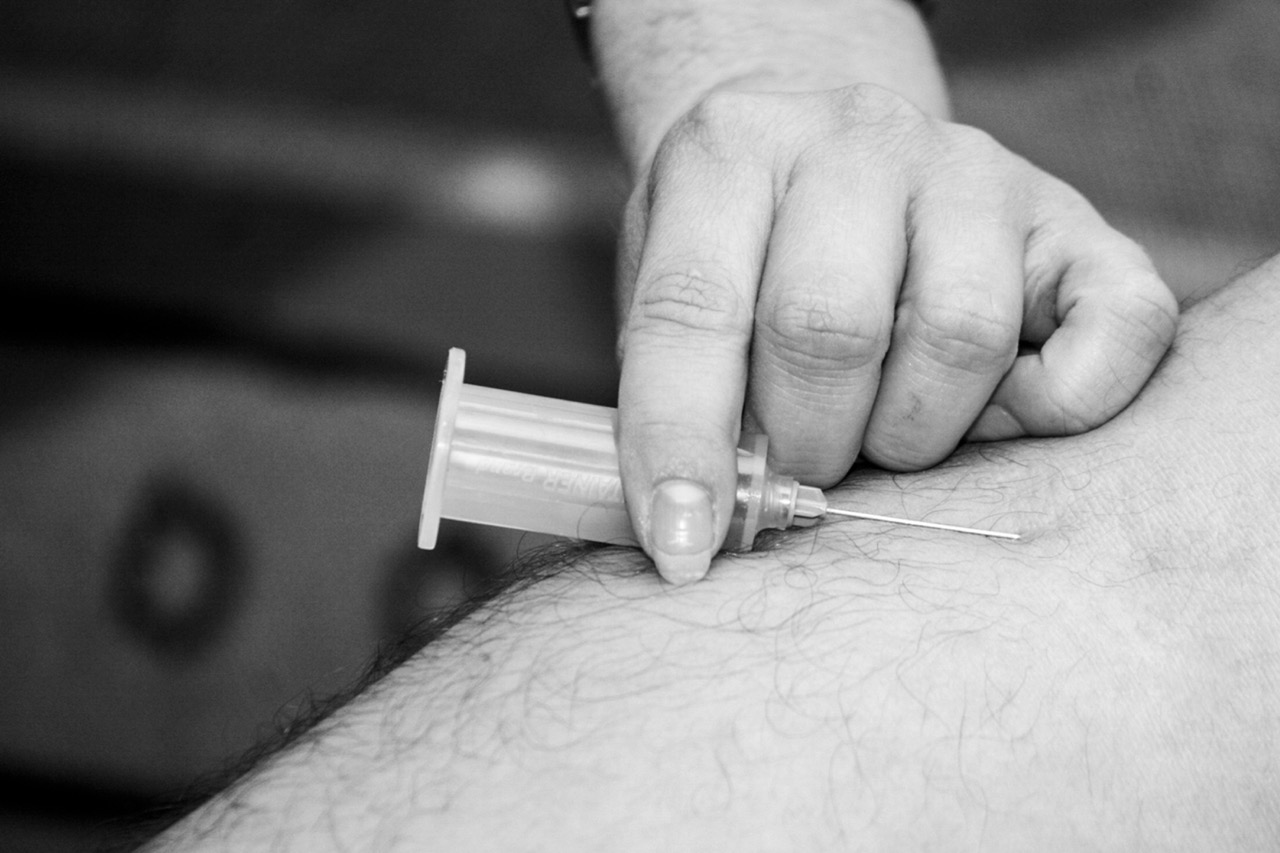
When it comes to testing for chlamydia, there are generally two main methods: urine tests and swabs. The urine test is non-invasive and often the preferred method for both men and women. In contrast, swabs may be taken from the cervix in women or the urethra in men, depending on individual circumstances. Regardless of the method used, the testing process is straightforward, typically taking just a few minutes to complete.
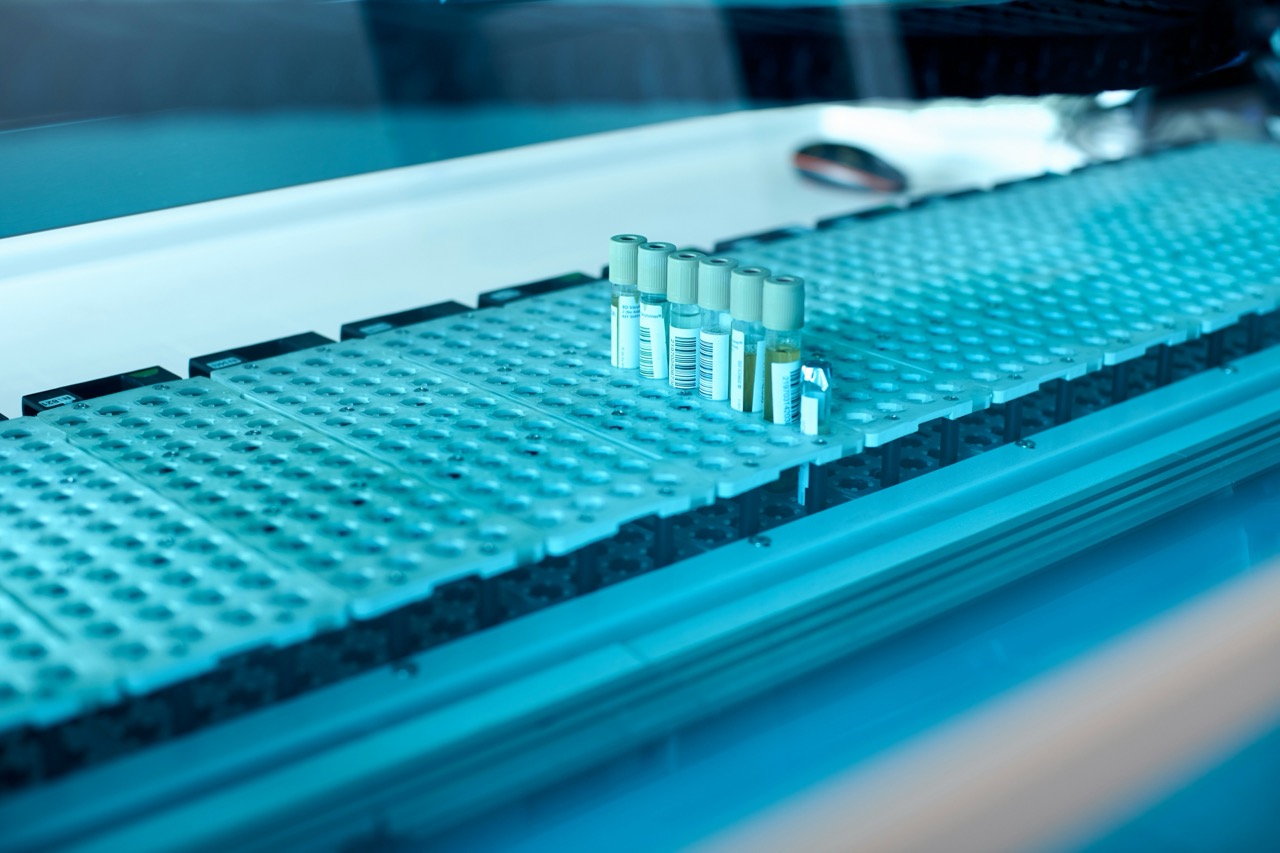
After a sample is collected, it is sent to a laboratory for analysis. Most healthcare facilities prioritize patient confidentiality, ensuring that your personal information and test results remain private. It’s important to ask your healthcare provider about the testing process and what you can expect, as this can help ease any anxiety you may have.
Understanding the testing process can empower individuals to take proactive steps regarding their sexual health. Being informed about what to expect can reduce fear and increase comfort levels when seeking testing, encouraging more people to take charge of their sexual health.
Typical Timeframes for Chlamydia Test Results Explained
The timeframe for receiving chlamydia test results can vary based on several factors, primarily the testing facility and the methods used. Typically, results from a urine test can take anywhere from 1 to 3 days. However, some clinics, especially those with rapid testing capabilities, may provide results on the same day. This immediate feedback can be crucial for individuals seeking timely treatment and making informed decisions about their sexual health.
For those undergoing swab tests, the timeline is similar, with results generally available within a few days. Some facilities may take a bit longer, particularly if they are processing a high volume of tests or if the sample is sent to an external lab. Always feel free to inquire about the expected timeframe for results when you get tested to set appropriate expectations.
It’s worth noting that while waiting for results can be stressful, most people are ultimately relieved to have clarity about their health status. Knowing whether you have chlamydia can help you take necessary actions, either in terms of treatment or further testing.
Factors That Can Influence Your Test Result Timing
Several factors can influence how quickly you receive your chlamydia test results. One of the most significant is the type of testing facility you choose. Public health clinics and urgent care centers may have different processing times compared to private labs. For example, a public health clinic might offer faster turnaround due to prioritization of STIs, whereas a private lab might take longer to process samples.
Another factor is the volume of tests being processed at the time you have your sample taken. If a clinic is experiencing a high influx of patients, the wait for results may be extended. Additionally, if your sample needs to be sent to an external lab for analysis, this can add extra time to the waiting period.
Lastly, it’s essential to consider that laboratory errors or issues with the sample can also delay results. If a sample is insufficient or mishandled, it may need to be retested, extending the wait for results. Keeping an open line of communication with your healthcare provider about these factors can help mitigate any anxiety you feel while waiting.
Next Steps After Receiving Your Chlamydia Results
Once you receive your chlamydia test results, it’s important to understand the implications of those results. If your results come back positive, it’s crucial to seek treatment promptly. Chlamydia is typically easily treatable with antibiotics, but delaying treatment can lead to complications, including pelvic inflammatory disease in women and potential infertility in both men and women.
If your results are negative, it’s essential to continue practicing safe sex and consider regular testing, especially if you have multiple partners or engage in unprotected sexual activity. Regular testing is key to maintaining sexual health and preventing the spread of STIs.
Regardless of the outcome, discussing your results with a healthcare provider can provide clarity and guidance on the next steps. Whether you need treatment, additional testing, or simply advice on maintaining sexual health, a healthcare professional can support you in making informed decisions.
===
Understanding the timeframe for chlamydia test results is an essential part of managing your sexual health. Whether you’re awaiting results or considering getting tested, being informed can alleviate anxiety and empower you to take control of your health. Remember, whether the outcome is positive or negative, proactive steps can lead to better health outcomes and a more informed approach to sexual wellness. Always reach out to healthcare professionals for the support you need—your sexual health matters.