




In the digital age, platforms like YouTube have become vital tools for spreading awareness on critical health issues, particularly sexual health. Hannah Witton, a prominent figure on the platform, has carved a niche for herself by addressing complex topics related to sexual well-being. Through her engaging and informative videos, she aims to destigmatize conversations about sexual health, making them accessible and relatable to a diverse audience. This article explores how Witton uses her platform to empower viewers with knowledge and understanding.
Empowering Audiences: Hannah Witton’s Approach to Sexual Health
Hannah Witton’s approach to sexual health awareness hinges on her commitment to transparency and authenticity. By sharing her own experiences and inviting guests from various backgrounds, she creates a safe space for discussions around often-taboo subjects. Her videos tackle a range of topics, including consent, relationships, and sexually transmitted infections (STIs). This openness encourages viewers to engage with the content, fostering a sense of community where individuals feel comfortable sharing their concerns and questions.
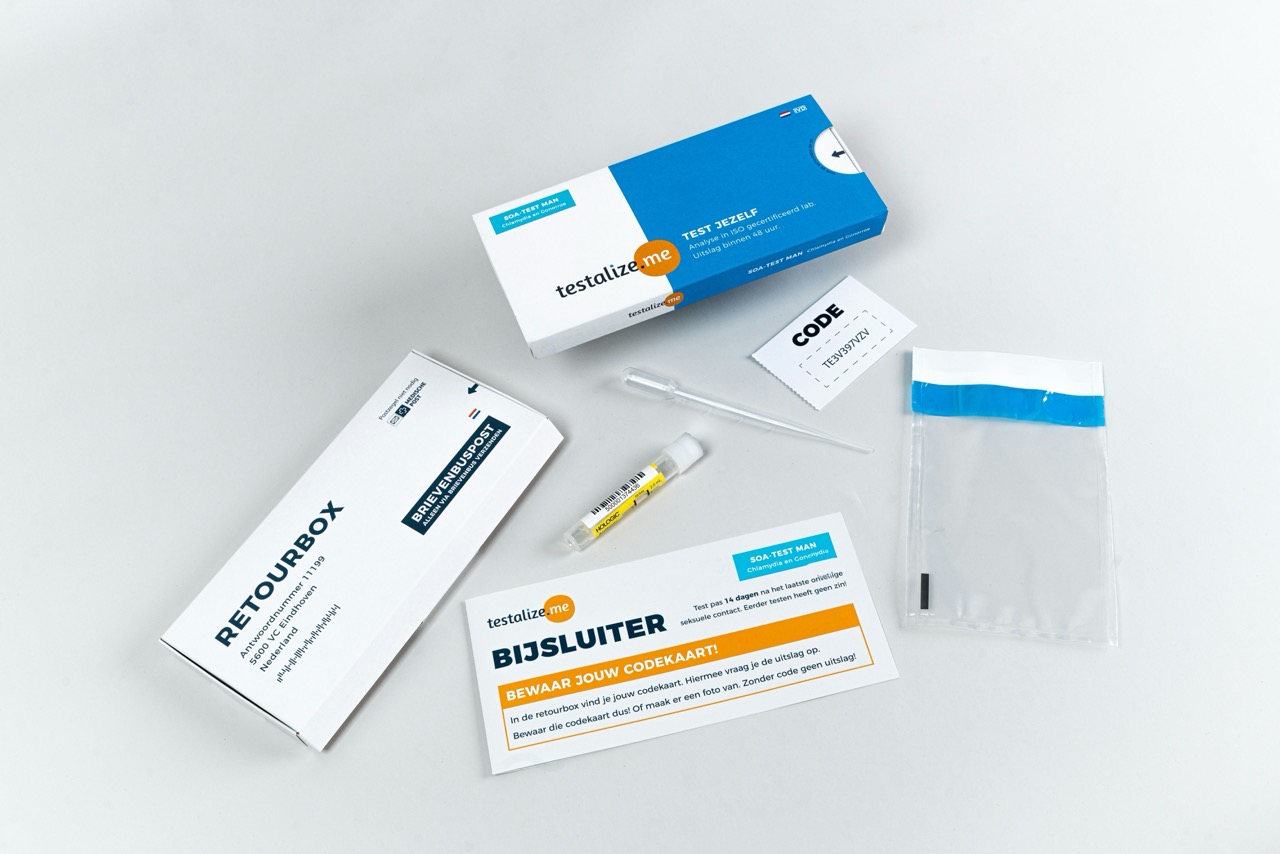
Witton’s educational style is characterized by clarity and compassion. She often breaks down complex medical jargon into simple, relatable terms, making it easier for her viewers to grasp important concepts. For instance, she explains the importance of regular STI testing, outlining when and why individuals should get tested, as well as what to expect during the testing process. By demystifying these procedures, she empowers her audience to take proactive steps in managing their sexual health.
Additionally, Hannah incorporates visuals and real-life scenarios in her videos, helping viewers visualize the information being discussed. This multimedia approach not only captures attention but also enhances understanding. By employing relatable anecdotes and expert opinions, she effectively breaks down barriers and invites her audience to reflect on their own experiences, encouraging personal growth and informed decision-making.
Breaking Stigmas: YouTube as a Platform for Education
YouTube serves as an ideal platform for breaking the stigmas surrounding sexual health, and Hannah Witton leverages this potential remarkably well. Traditional avenues of sexual health education often fall short due to societal taboos and discomfort surrounding open discussions. Witton’s candid approach challenges these norms, providing a fresh perspective that resonates with younger audiences. She speaks directly to her viewers, emphasizing that conversations about sexual health should be normalized, rather than shamed.
One of the key aspects of Witton’s work is her focus on inclusivity. She recognizes that sexual health impacts individuals across all demographics, and her content reflects this understanding. By featuring diverse guests and addressing various sexual orientations, identities, and experiences, she ensures that her message reaches a broad audience. This inclusivity not only helps dismantle stereotypes but also fosters a sense of belonging among viewers who might feel marginalized in traditional health discussions.
Moreover, Witton’s videos often include actionable advice on reducing risks related to STIs and maintaining healthy relationships. She discusses effective communication with partners about testing and consent, guiding her audience toward safer practices. By equipping viewers with practical strategies, she empowers them to take control of their sexual health and encourages proactive, responsible behaviors.
Hannah Witton’s work on YouTube exemplifies the power of digital media in promoting sexual health awareness. By fostering an inclusive, open dialogue around topics that are often shrouded in stigma, she not only educates her audience but also empowers them to make informed choices about their health. As viewers engage with her content, they gain valuable insights into their sexual well-being, ultimately contributing to a more informed and supportive community. Witton’s efforts highlight the importance of accessible education in fostering healthier, more informed conversations about sexual health.