





===
Chlamydia is one of the most common sexually transmitted infections (STIs) worldwide, often affecting young individuals. The good news is that it is easily testable and treatable, making awareness and regular testing crucial for maintaining sexual health. Understanding how chlamydia testing works, from start to finish, is an essential step toward empowering individuals to take control of their sexual health. This article will guide you through the process of chlamydia testing, interpreting results, and potential next steps.
Understanding Chlamydia: What You Need to Know First
Chlamydia is caused by the bacterium Chlamydia trachomatis, which can lead to serious reproductive health issues if left untreated. Many people may not experience any symptoms, making it easy to unknowingly transmit the infection to others. Common symptoms, when they do appear, may include abnormal discharge, pain during urination, or abdominal pain. However, the absence of symptoms does not negate the importance of regular testing, particularly for sexually active individuals.
The infection can be contracted through vaginal, anal, or oral sex, emphasizing the need for comprehensive sexual health practices. It’s particularly important for individuals under 25 or those with new or multiple sexual partners to get tested annually. Educating yourself about chlamydia can foster a proactive approach to your sexual health, helping to reduce the stigma often associated with STIs.
Regular testing not only protects your health but also the health of your partners. Open conversations about sexual health can create a supportive environment for discussing testing and prevention, empowering individuals to seek help without fear of judgment.
The Chlamydia Testing Process: Step-by-Step Breakdown
The chlamydia testing process typically begins with a consultation at a healthcare facility, such as a clinic or doctor’s office. During this appointment, a healthcare provider will discuss your sexual history and any symptoms you may be experiencing. This conversation is private and confidential, allowing you to speak openly about your concerns. Based on this discussion, the provider will recommend the most appropriate testing method.
Testing for chlamydia can be done in several ways: a urine test, a swab of the genital area, or a throat swab, depending on the site of potential infection. The urine test is non-invasive and usually preferred for males, while females may need a swab test for more accurate results. The healthcare provider will guide you through the process, ensuring you understand what to expect and how to prepare for the test.
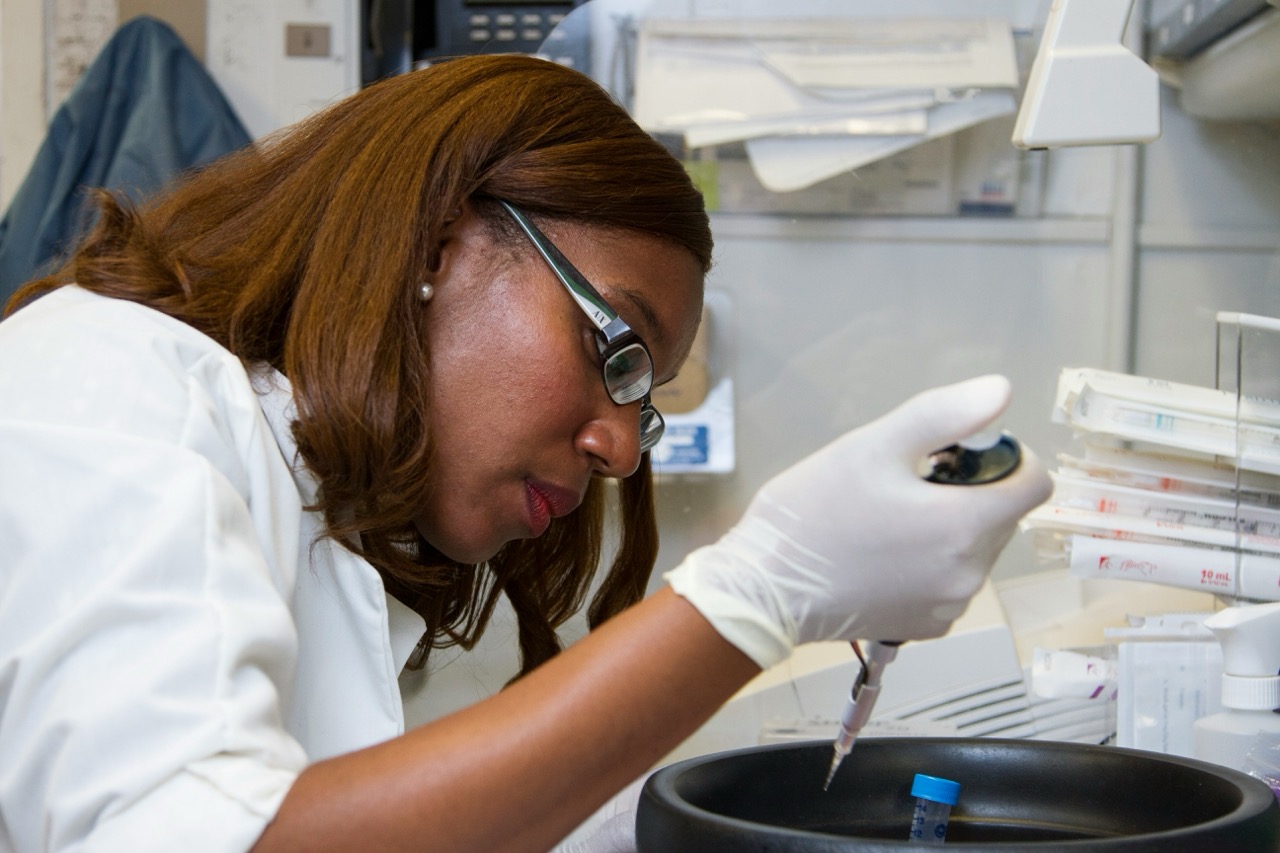
After the sample is collected, it will be sent to a laboratory for analysis. Results typically take a few days to process; during this waiting period, it’s crucial to refrain from sexual activity to prevent potential transmission. Many clinics offer online portals for patients to check their results securely, ensuring that privacy is maintained throughout the process.
Interpreting Your Chlamydia Test Results Clearly and Calmly
Once your results are available, understanding them is the next critical step. A positive result indicates the presence of the chlamydia infection, while a negative result means that no infection was detected. If you receive a positive result, it’s essential to remember that chlamydia is a common infection and can be effectively treated with antibiotics.
Your healthcare provider will typically contact you to discuss the results, answer any questions, and outline the next steps. If you are diagnosed with chlamydia, treatment usually involves a single dose of antibiotics or a week-long course, depending on the specific medication prescribed. It’s important to follow the treatment plan and complete all prescribed medications to ensure the infection is fully eradicated.
If you test negative but have ongoing concerns or symptoms, it’s advisable to consult your healthcare provider for further evaluation. Regular testing is vital for sexually active individuals, ensuring peace of mind and maintaining sexual health. Always feel empowered to ask questions about your results and the implications for your health.
Next Steps: Treatment Options and Prevention Strategies
If you receive a positive test result for chlamydia, the first step is to begin treatment as recommended by your healthcare provider. This usually involves taking antibiotics, which effectively clear the infection in most cases. It’s crucial to inform your sexual partners so they can also get tested and treated, preventing the cycle of reinfection. Many clinics offer partner notification services to help facilitate this process without compromising your privacy.
Alongside treatment, adopting prevention strategies can significantly reduce the risk of future infections. Consistent use of condoms during sexual activity is one of the most effective ways to prevent STIs, including chlamydia. Regular testing, particularly for those with multiple partners or new sexual relationships, is vital in catching infections early and maintaining overall sexual health.
Educating yourself about STIs and engaging in open conversations with partners about sexual health can lead to healthier relationships. Resources and support groups are often available in many communities, providing additional information and a sense of community for those navigating sexual health concerns. Always remember that taking charge of your sexual health is a responsible and empowering choice.
===
In summary, understanding how chlamydia testing works is a crucial aspect of maintaining sexual health. From the initial consultation to interpreting test results and exploring treatment options, each step provides an opportunity for individuals to take charge of their health. By prioritizing regular testing, open communication, and preventive strategies, you can empower yourself and your partners to lead healthier lives. Remember, you are not alone in this journey; resources and support are available to help navigate your sexual health confidently.