





===
Chlamydia, a common sexually transmitted infection (STI), often goes unnoticed due to its lack of symptoms. Understanding how testing varies across age groups can empower individuals to take control of their sexual health. This article will explore age-specific recommendations, testing procedures, and the importance of awareness when it comes to Chlamydia testing. By breaking down the nuances for teenagers, adults, and seniors, we aim to foster an inclusive dialogue around sexual health.
Understanding Chlamydia Testing: An Overview for All Ages
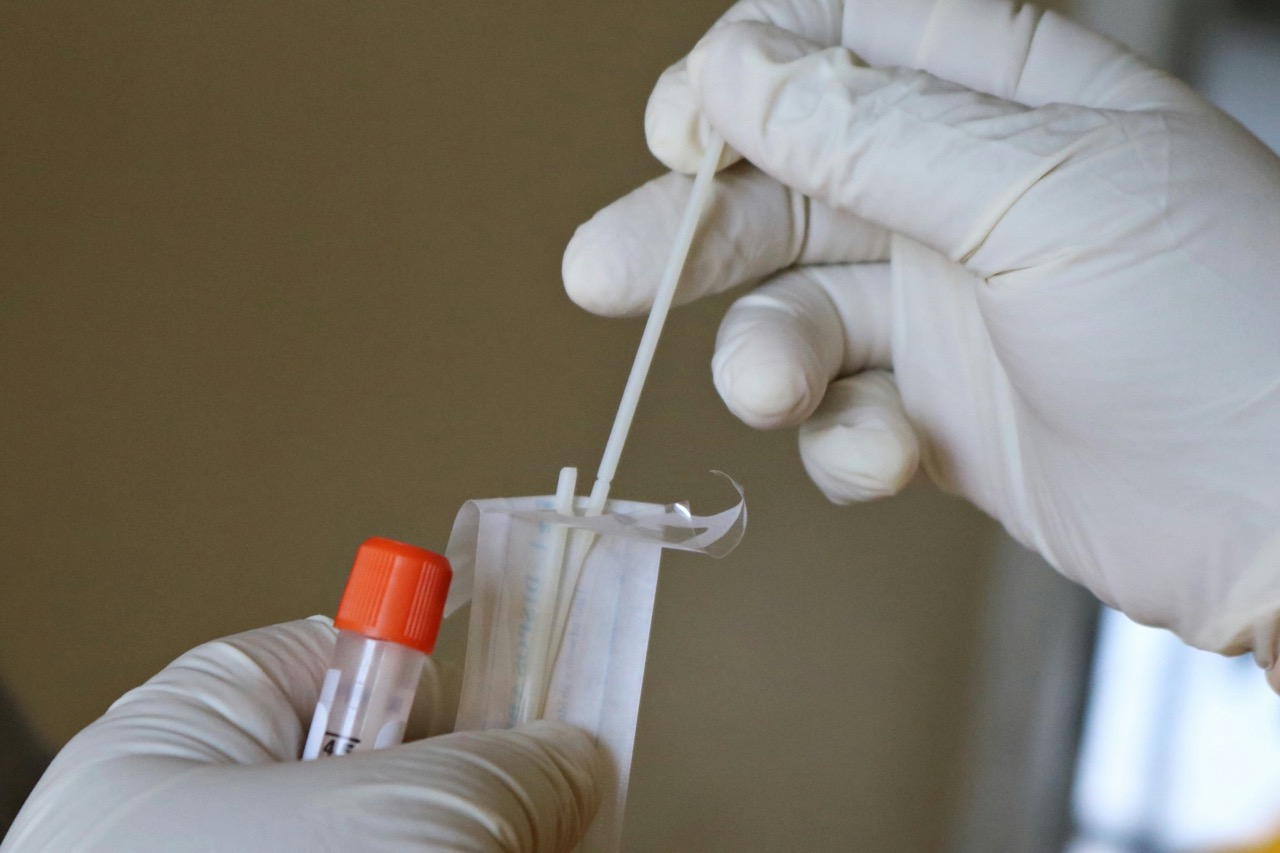
Chlamydia testing is crucial for everyone, regardless of age. The infection can lead to serious health complications if left untreated, such as infertility and increased susceptibility to other STIs. Testing typically involves a simple urine test or a swab, making it accessible and easy to undergo. The frequency of testing often depends on sexual activity and risk factors, rather than age alone.
Understanding your own sexual health is essential, and routine testing can help catch infections early. Many healthcare providers emphasize the importance of regular testing, especially for sexually active individuals. Knowing when and how to get tested is vital, as it not only aids in personal health but also contributes to public health efforts in controlling the spread of STIs.
Privacy and confidentiality are paramount when it comes to testing. Many clinics offer discreet testing options, aiming to create a safe environment for individuals to discuss their health concerns. This assurance allows people of all ages to seek the help they need without fear of judgment or stigma.
Testing Recommendations for Teenagers and Young Adults
Teenagers and young adults are considered a high-risk group for Chlamydia due to factors such as increased sexual activity and the often sporadic use of protection. The Centers for Disease Control and Prevention (CDC) recommends that sexually active individuals under 25 get tested annually. This proactive approach can help catch infections early and prevent complications. Many schools and community health centers offer free or low-cost testing to ensure accessibility for this age group.
Understanding how Chlamydia testing works can alleviate anxiety for younger individuals. A simple urine test or a vaginal swab is often sufficient, and results can be available quickly, sometimes within a few days. Education plays a vital role here; providing information on what to expect during testing can help demystify the process and encourage more young people to get tested.
Moreover, sexual health education should start early to help teenagers understand the risks associated with STIs. Open conversations about safe sex practices, consent, and the importance of regular testing can empower young people to take charge of their health. By fostering an environment where questions are welcomed, we can help decrease the incidence of Chlamydia and promote healthier behaviors.
Chlamydia Testing for Adults: What You Need to Know
For adults, the CDC recommends Chlamydia testing based on sexual activity and risk factors rather than age alone. Individuals with new or multiple partners, or those who do not consistently use condoms, should consider getting tested at least once a year. It’s essential to have open discussions with healthcare providers to determine the right testing frequency based on individual circumstances.
If an adult tests positive for Chlamydia, treatment is straightforward and usually involves a course of antibiotics. However, it’s critical to inform sexual partners so they can also get tested and treated, helping to prevent reinfection and further spread of the disease. Many adults may feel hesitant to discuss their sexual health, but healthcare professionals are trained to handle these conversations with sensitivity and confidentiality.
Additionally, adults should be aware that Chlamydia can sometimes present with mild or no symptoms at all. This reality underscores the importance of regular testing and being proactive about sexual health. Engaging in routine check-ups and discussing sexual history with healthcare providers can significantly enhance awareness and promote timely intervention when necessary.
Senior Health: Addressing Chlamydia Testing Needs and Concerns
While Chlamydia is often associated with younger populations, it is crucial to recognize that sexually active seniors also need to be vigilant. Many seniors are becoming more sexually active and may not be aware of the risks involved. The CDC recommends that older adults who engage in sexual activity, particularly those with new partners, should consider testing for STIs, including Chlamydia.
Testing procedures for seniors are similar to those for younger adults, typically involving a urine sample or a swab. However, some older adults may have health conditions or take medications that could affect their susceptibility to infections. It’s vital for healthcare providers to discuss these factors during consultations, ensuring that seniors receive personalized and appropriate care.
Moreover, addressing the stigma surrounding sexual health in older adults is essential. Many may feel embarrassed or reluctant to discuss their sexual activity, leading to missed opportunities for testing. Creating a supportive environment that encourages open dialogue about sexual health can help seniors understand the importance of regular testing and treatment, ultimately contributing to their overall well-being.
===
Chlamydia testing is an essential aspect of sexual health for all age groups. By understanding the specific needs and recommendations for testing across different demographics, individuals can take proactive steps towards maintaining their health. Whether you are a teenager, adult, or senior, prioritizing regular testing and open conversations about sexual health can empower you to make informed choices. Remember, seeking help is a sign of strength, and everyone deserves access to safe, confidential, and respectful healthcare.