




Chlamydia is one of the most common sexually transmitted infections (STIs) worldwide, often going unnoticed due to its subtle symptoms. In emergency settings, recognizing and diagnosing chlamydia promptly is crucial for effective treatment and preventing further complications. This article outlines how healthcare professionals assess, test, and confirm chlamydia infections in emergency situations, while emphasizing the importance of privacy and support for patients.
Understanding Chlamydia: Symptoms and Risks in Emergencies
Chlamydia is frequently asymptomatic, making it challenging to detect without proper testing. However, when symptoms do manifest, they can include abnormal discharge, burning sensations during urination, and pain in the lower abdomen. Recognizing these symptoms in an emergency context is vital, especially for individuals who may be at higher risk due to multiple partners or previous STIs.
In emergency settings, healthcare providers often encounter patients who may not initially present with clear signs of infection. It’s critical for medical staff to remain vigilant and consider chlamydia in their differential diagnoses, particularly when a patient exhibits any related symptoms. Delaying diagnosis can lead to complications such as pelvic inflammatory disease (PID) or increased susceptibility to HIV.
Moreover, the implications of untreated chlamydia extend beyond physical health; they can impact emotional well-being and relationship dynamics. Understanding these risks can encourage individuals to seek help promptly, recognizing that early intervention can mitigate long-term health issues.
Initial Assessment: Testing Procedures in Emergency Rooms
When a patient arrives at an emergency room with concerns that may involve chlamydia, the initial assessment is key. Healthcare providers typically begin with a thorough medical history, inquiring about symptoms, sexual history, and any previous STIs. This dialogue aims to create a comfortable environment where patients feel safe to disclose pertinent information.
Following the medical history, a physical examination may be performed. This step can help identify any observable signs of infection, such as discharge or tenderness. If chlamydia is suspected, clinicians will often explain the testing process, ensuring that patients understand what to expect. This transparency is essential for alleviating anxiety and fostering trust.
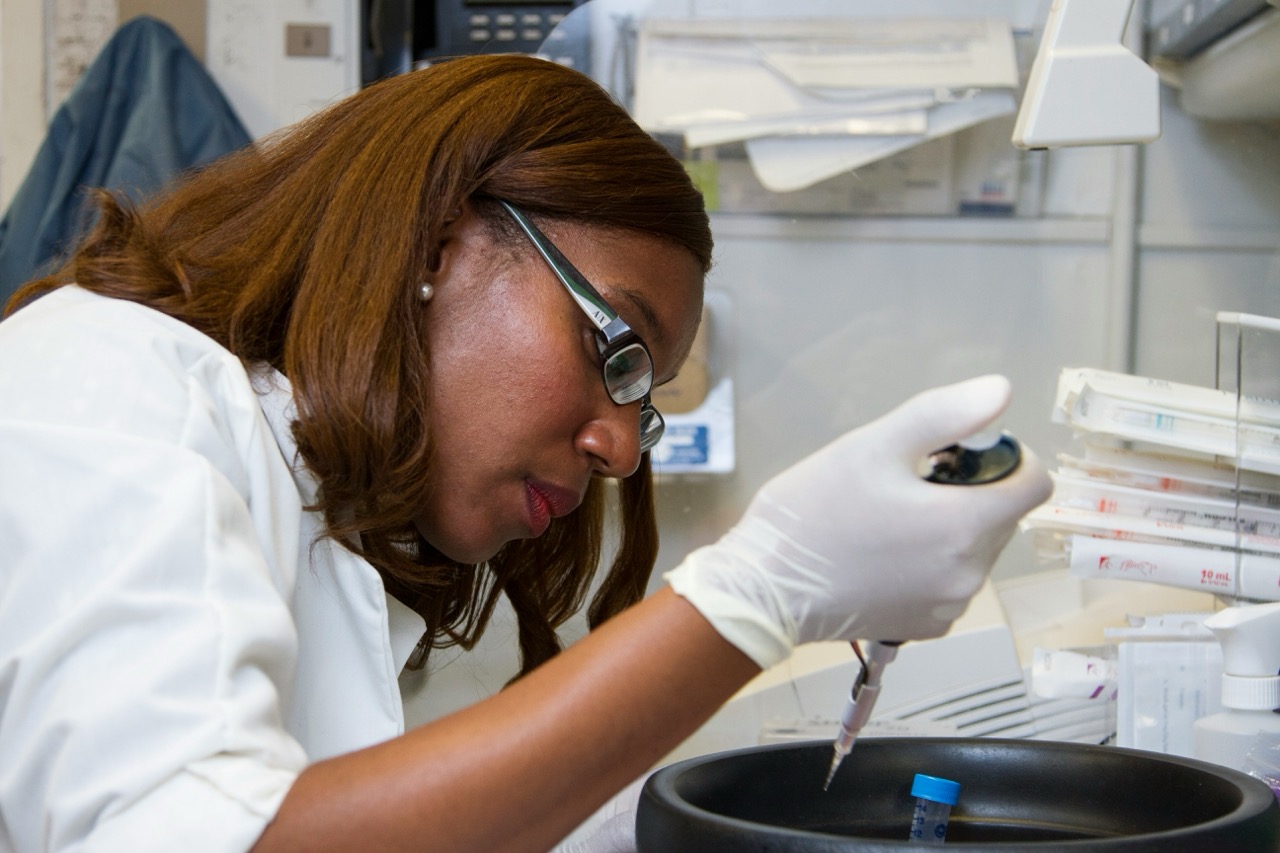
Once the assessment is complete, healthcare professionals will guide patients through the appropriate testing procedures, which usually involve laboratory tests. These tests can be done quickly and discreetly, often allowing patients to receive their results within a few hours or the same day, facilitating timely care.
Diagnostic Methods: How Chlamydia Is Confirmed Quickly
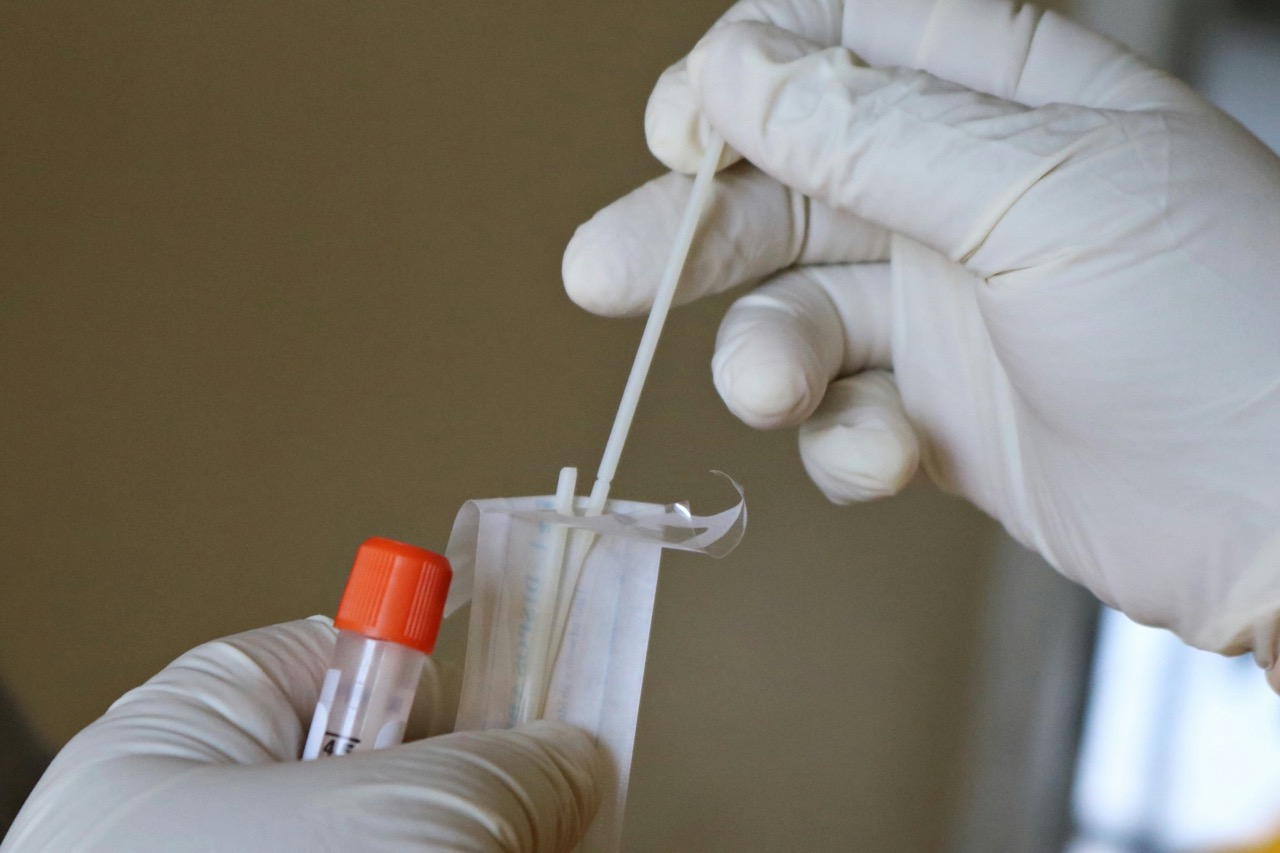
Chlamydia is primarily diagnosed using nucleic acid amplification tests (NAATs), which are highly sensitive and specific. These tests can be performed on urine samples or through swabs from the affected area, such as the cervix or urethra. In emergency settings, NAATs are preferred due to their accuracy and the speed at which results can be obtained.
In addition to NAATs, healthcare providers may also utilize rapid tests or other methods based on the resources available. However, NAATs remain the gold standard for chlamydia testing. The choice of testing method depends on various factors, including the patient’s gender, symptoms, and the clinical setting.
Once results are available, healthcare providers will communicate them with sensitivity and clarity. If the test is positive, discussions about treatment options and next steps will follow, ensuring that patients are informed and supported throughout their care journey.
Privacy and Support: Navigating Chlamydia Testing Options
Privacy is a paramount concern for individuals seeking testing for chlamydia in emergency settings. Healthcare facilities are obligated to maintain confidentiality, which encourages patients to seek care without fear of stigma or judgment. Patients should feel empowered to ask about how their information will be protected throughout the testing and treatment process.
In addition, many emergency departments have trained staff who are skilled in providing emotional support and resources for patients diagnosed with chlamydia. This support can include counseling services, educational materials about STIs, and information on partner notification. Having access to this type of care can significantly improve the overall experience for individuals undergoing testing and treatment.
Moreover, individuals are encouraged to consider regular STI screenings, especially if they’re sexually active or have new partners. Knowing when to get tested is crucial; many health authorities recommend testing annually for sexually active individuals under 25, as well as for those at higher risk. Empowering readers with knowledge about their sexual health can help foster a culture of safety and responsibility.
In summary, diagnosing chlamydia in emergency settings involves a systematic approach that prioritizes patient comfort, privacy, and accurate testing. By understanding symptoms, navigating testing procedures, and recognizing the importance of emotional support, patients can take control of their sexual health. Early detection and treatment of chlamydia not only safeguard individual well-being but also contribute to community health, highlighting the importance of accessible and compassionate healthcare for all.