






Gonorrhoea is a common sexually transmitted infection (STI) that can lead to serious health complications if left untreated. Understanding the testing procedures in sexual health clinics is essential for early detection and effective treatment. This article aims to demystify gonorrhoea testing, emphasizing the importance of privacy, safety, and the vital role these clinics play in promoting sexual health awareness.
Understanding Gonorrhoea Testing Procedures in Clinics
In sexual health clinics, gonorrhoea testing is typically a straightforward process designed to be as comfortable and efficient as possible. The most common method of testing involves providing a urine sample, which is non-invasive and easy for most individuals. For those who may have symptoms or are at higher risk, clinicians might also perform swabs of the throat, urethra, or rectum, depending on the potential site of infection. These procedures are quick, and trained professionals ensure that they are conducted with sensitivity and care.
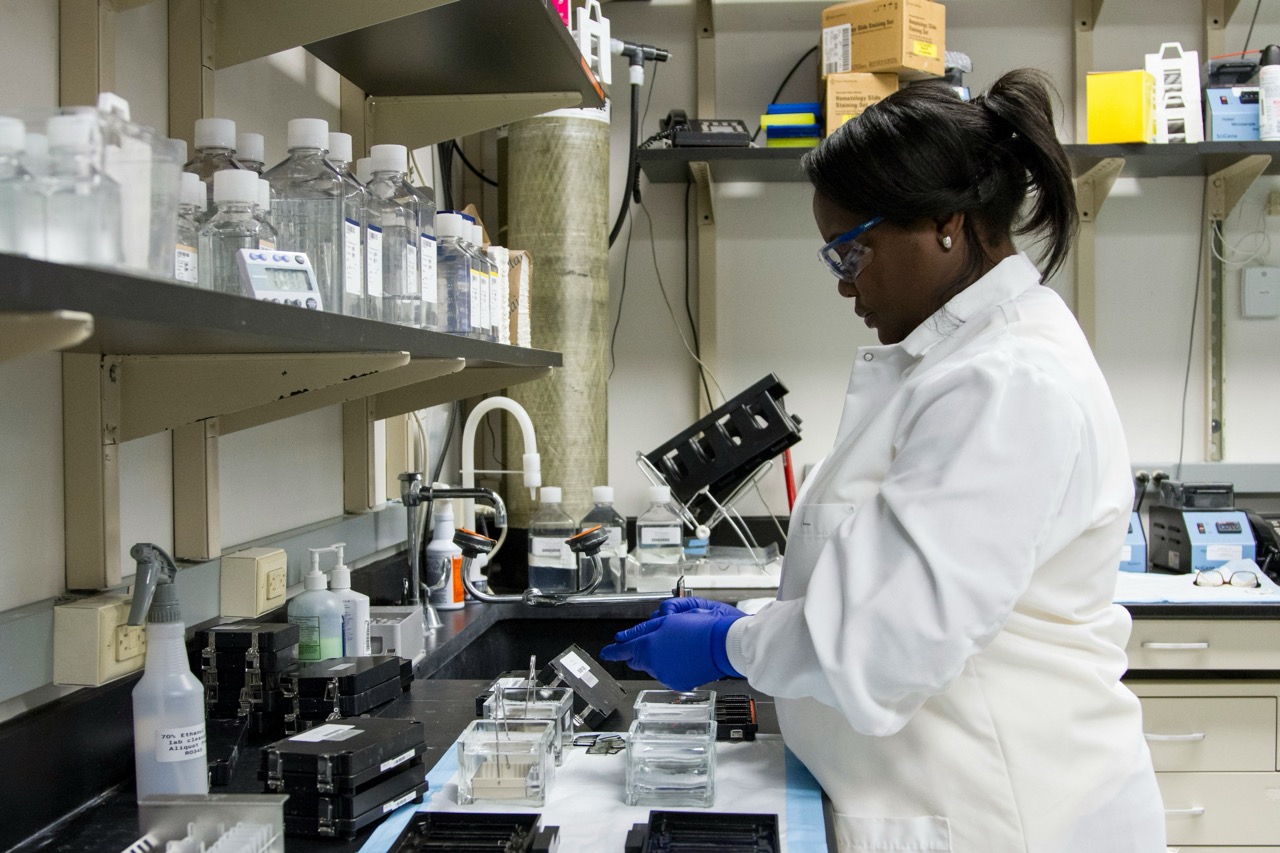
Once a sample is collected, it is sent to a laboratory where it undergoes testing for the presence of the Neisseria gonorrhoeae bacteria. Results are usually available within a few days, and depending on the clinic, they may be communicated via a secure online portal, over the phone, or during a follow-up appointment. It’s important for individuals to understand that the testing process is designed to be comprehensive, ensuring that if gonorrhoea is detected, timely treatment options can be discussed.
Individuals who are sexually active, particularly those with multiple partners or unprotected sex, should consider getting tested regularly. The Centers for Disease Control and Prevention (CDC) recommend annual screening for sexually active women under 25 and anyone at increased risk. Early detection not only aids in effective treatment but also helps prevent the spread of the infection to partners.
Ensuring Privacy and Safety During Your Testing Experience
One of the core values of sexual health clinics is to create a welcoming environment where individuals feel safe and respected. Privacy is a fundamental aspect of the testing process, and clinics typically have protocols in place to ensure that personal information and test results remain confidential. Many clinics offer private rooms for consultations and testing, allowing patients to discuss their concerns openly without fear of judgment.
Safety is also prioritized throughout the testing experience. All testing materials are sterile, and the staff are trained in proper hygiene practices to minimize any risk of infection. Additionally, clinics often provide resources for mental health support and counseling, recognizing that the emotional aspect of sexual health is just as important as the physical. This comprehensive approach ensures that patients leave feeling informed and empowered about their sexual health decisions.
For those feeling anxious about the testing process, it can be helpful to prepare by writing down any questions or concerns beforehand. Many clinics also provide educational materials on gonorrhoea and other STIs, helping individuals gain a better understanding of their sexual health. Remember that seeking help is a step towards care and well-being; your health is worth prioritizing.
Gonorrhoea testing in sexual health clinics is a crucial part of maintaining sexual health and preventing the spread of infections. By understanding the testing procedures, knowing your rights to privacy and safety, and recognizing the importance of regular screenings, you can take proactive steps in managing your sexual health. Empowerment through knowledge allows individuals to make informed choices, fostering a healthier future for everyone. Remember, reaching out for testing is not only about your health but also about protecting the health of your partners.