




Gonorrhoea is a common sexually transmitted infection (STI) that can have serious health implications if left untreated. In rural and remote areas, access to healthcare services, including gonorrhoea testing, presents unique challenges. This article explores the options available for testing in these regions, considering both the barriers and solutions that can improve accessibility and ensure privacy. As we navigate through these concerns, it’s important to empower individuals with the knowledge they need to make informed decisions about their sexual health.
Understanding Gonorrhoea Testing Options in Rural Areas
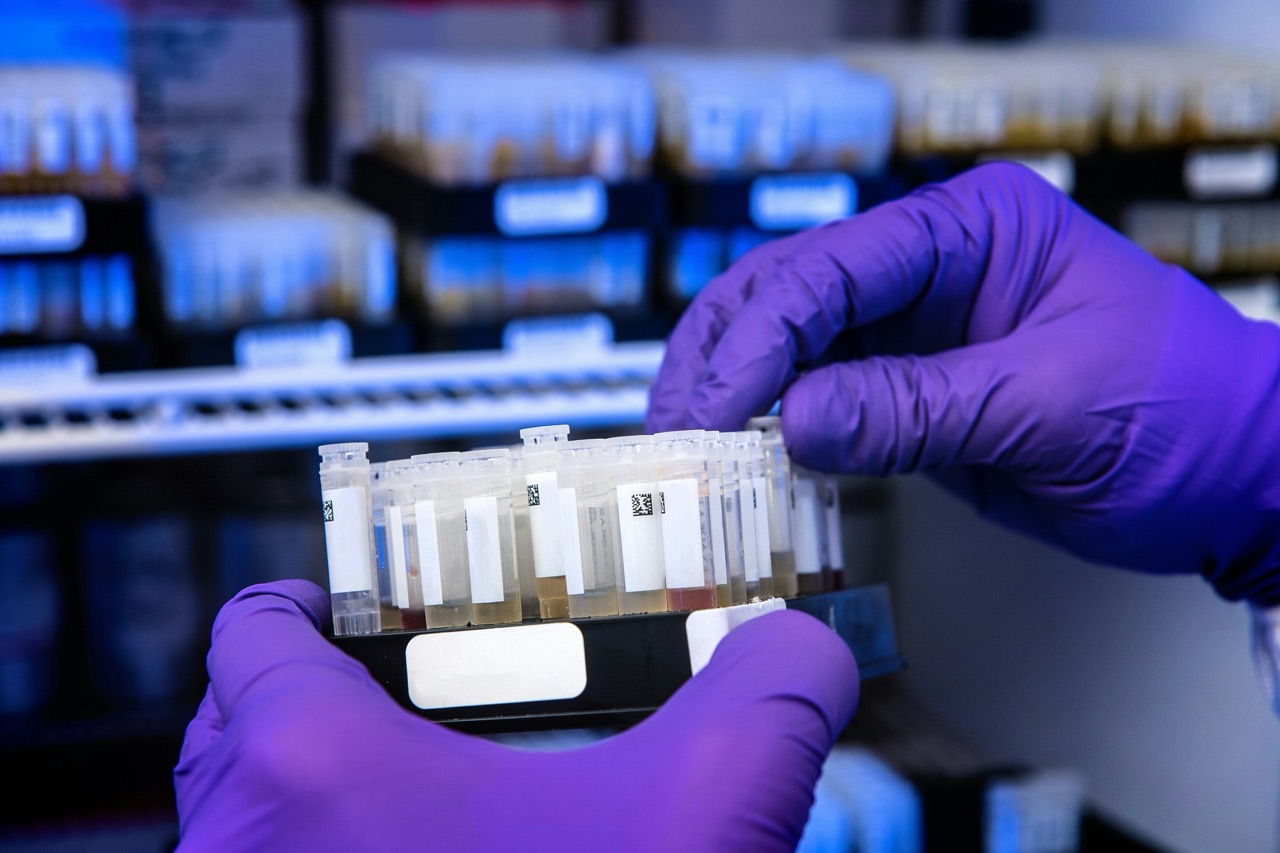
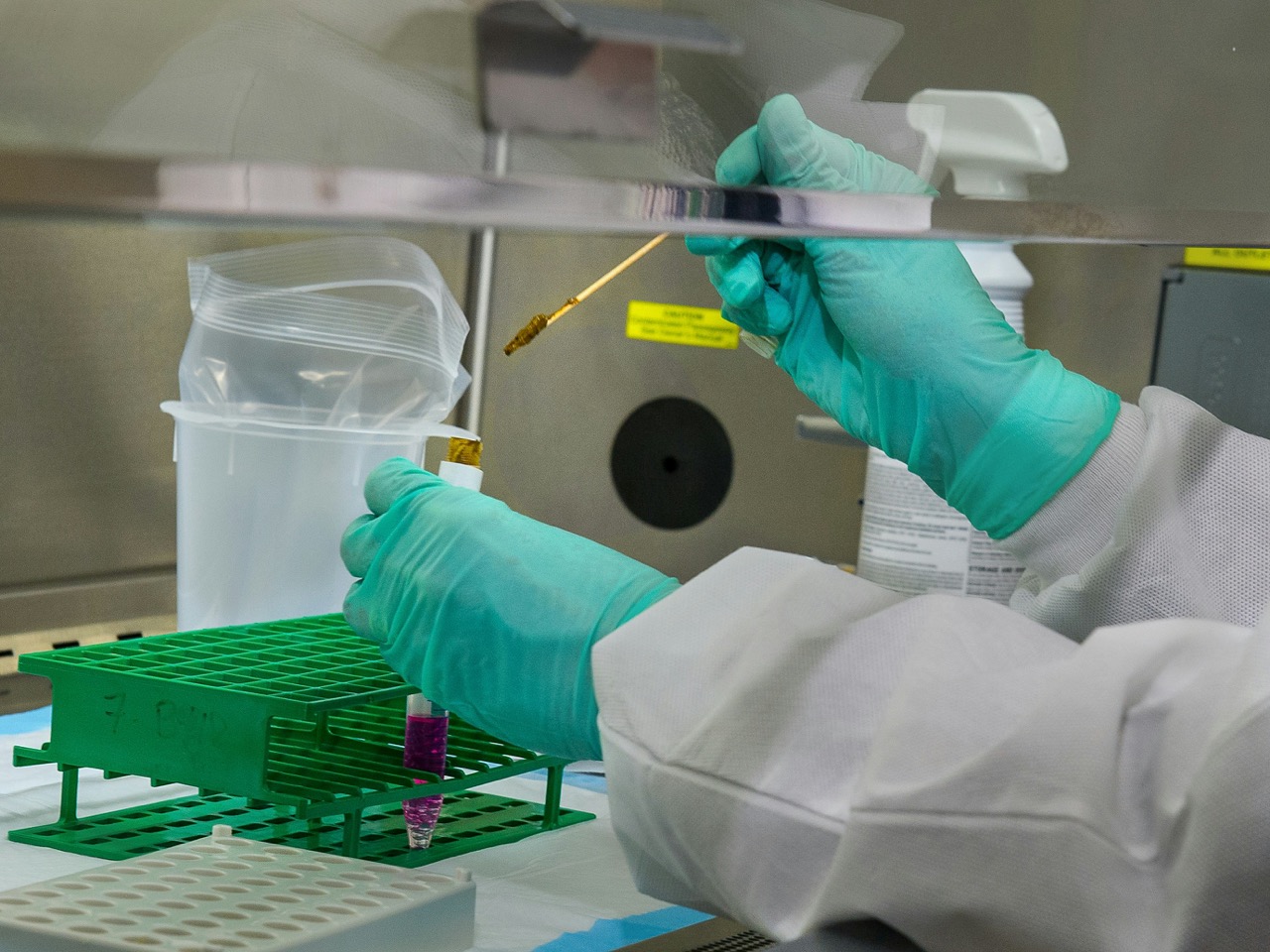
Gonorrhoea testing typically involves a simple urine test or a swab from the affected area, such as the throat, cervix, or rectum. In rural areas, clinics may have limited resources, but many provide essential testing services through local health departments or community health centers. These facilities are often equipped to offer testing in a confidential and supportive environment. Additionally, mobile health units are increasingly being deployed in remote areas, bringing testing directly to communities and reducing the need for long travel.
Telehealth options have also emerged as a valuable resource for those living in rural locations. Many healthcare providers now offer remote consultations, allowing individuals to discuss their symptoms and get prescriptions for testing kits that can be mailed directly to their homes. This approach not only helps to maintain privacy but also expands the reach of healthcare services to those who may find it difficult to visit clinics in person.
In many instances, local outreach programs work diligently to educate communities about gonorrhoea and the importance of testing. They provide accessible information regarding STI symptoms, testing options, and available treatments, fostering a culture of awareness and support. By integrating these programs into rural health initiatives, there’s a greater chance of encouraging individuals to seek testing without fear of stigma.
Accessibility and Privacy Concerns for Remote Testing Services
Accessibility remains a significant concern in providing effective gonorrhoea testing in remote areas. Geographic isolation can limit individuals’ access to clinics, leading to delayed diagnosis and treatment. High transportation costs and long travel times may discourage individuals from seeking care. To address these concerns, many healthcare providers are exploring partnerships with local organizations to create mobile clinics or pop-up testing events, bringing essential services closer to those in need.
Privacy is another crucial factor when it comes to STI testing. Individuals in rural communities may feel apprehensive about seeking care due to concerns about confidentiality and potential stigma. It’s vital for healthcare providers to create a safe and welcoming environment that respects the privacy of individuals seeking testing. This can be achieved through discreet appointment scheduling, private testing rooms, and clear communication about how personal information is handled.
Furthermore, increasing awareness about the importance of gonorrhoea testing can help to alleviate fears and encourage more individuals to get tested. Community education initiatives that provide information on the testing process, the implications of untreated infections, and available treatment options can empower individuals to take charge of their sexual health. By fostering an open dialogue about STIs, we can reduce stigma and promote healthier communities.
In conclusion, addressing the challenges of gonorrhoea testing in rural and remote areas requires a multifaceted approach that prioritizes accessibility, privacy, and education. By implementing innovative testing options, expanding outreach programs, and fostering a supportive environment, we can empower individuals to prioritize their sexual health. Everyone deserves the right to confidential and accessible testing, and through community effort and improved healthcare services, we can make a significant impact in the fight against STIs like gonorrhoea. Remember, taking the first step towards testing is crucial for your health and well-being.