






Gonorrhoea, a sexually transmitted infection (STI) caused by the bacterium Neisseria gonorrhoeae, remains a significant public health issue, particularly among men who have sex with men (MSM). Regular testing is crucial for early detection and treatment, which can help prevent complications and further transmission. This article provides a comprehensive guide to gonorrhoea testing for MSM, emphasizing the importance of timely testing and risk reduction strategies in a respectful and supportive manner.
Understanding Gonorrhoea Testing for MSM: A Comprehensive Guide
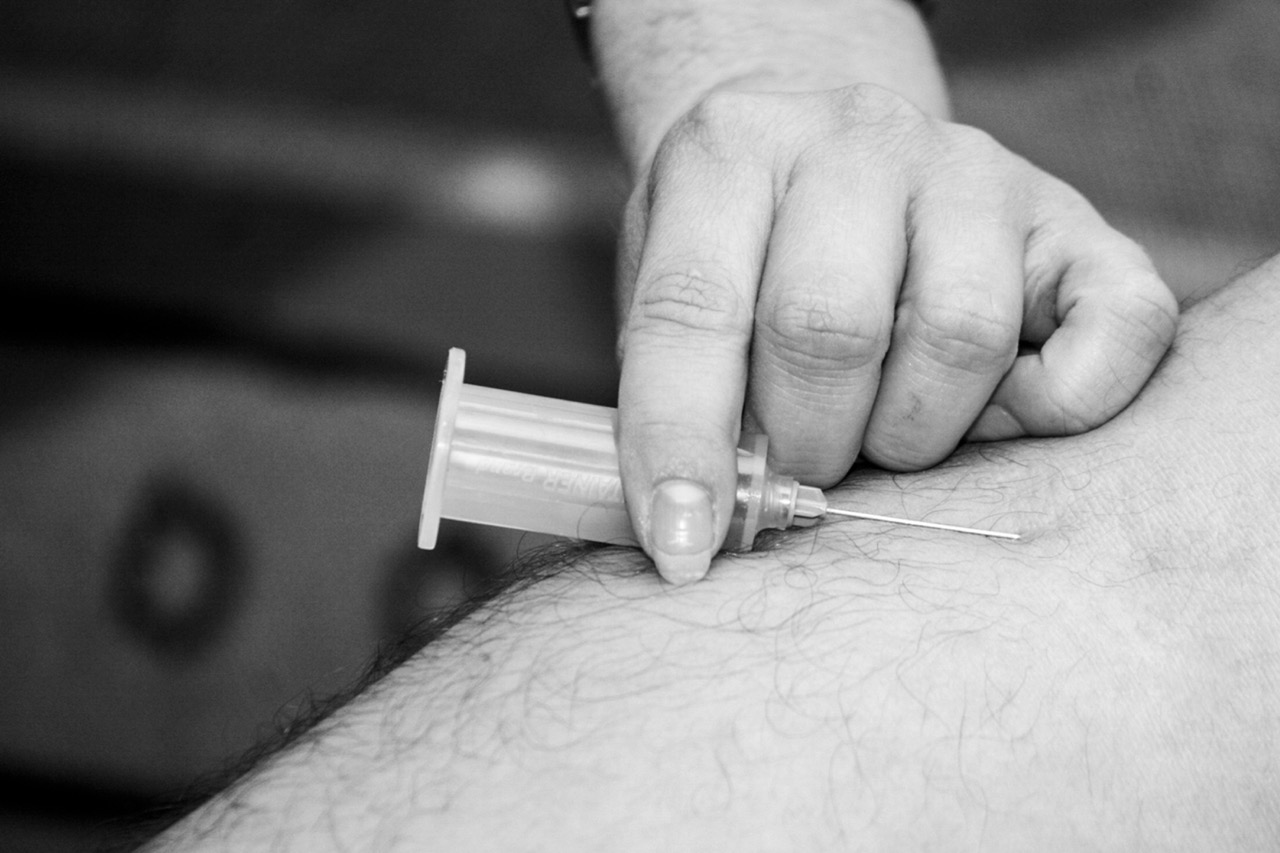
Gonorrhoea testing for MSM typically involves several components, starting with a thorough medical history and risk assessment. Healthcare providers often ask about sexual practices, the number of partners, and previous STIs to tailor the testing approach effectively. Testing can be done at various sites, including urine samples, throat swabs, and rectal swabs, depending on the type of sexual activities engaged in. This multi-site testing is essential as gonorrhoea can infect areas beyond the genitals.
The actual testing process is straightforward and discreet, often conducted in a private clinic or healthcare setting. Results can usually be obtained within a few days, allowing for prompt treatment if necessary. It’s important for MSM to understand that testing is not only about confirming or ruling out gonorrhoea but also about fostering a proactive approach to sexual health. Confidentiality is a priority, and patients should feel comfortable discussing their concerns with healthcare providers.
Interpreting test results is an important aspect of the process. A positive result indicates the presence of the infection, while a negative result means no evidence of gonorrhoea. Regardless of the outcome, it’s an opportunity to discuss further preventive measures, including potential retesting, especially after new sexual partners or if symptomatic. Engaging in open conversations with healthcare professionals can empower MSM to take charge of their sexual health.
Importance of Regular Testing and Risk Reduction Strategies
Regular testing for gonorrhoea is vital for MSM due to the higher prevalence of STIs in this population. Engaging in routine testing—ideally every 3 to 6 months—can lead to early detection and treatment, significantly reducing the risk of complications such as infertility or the increased likelihood of contracting or transmitting HIV. Awareness of one’s sexual health status is essential for maintaining overall well-being and fostering a safe sexual environment for oneself and partners.
In addition to regular testing, implementing risk reduction strategies can further decrease the likelihood of contracting gonorrhoea and other STIs. These strategies may include consistent condom use, engaging in mutually monogamous relationships, and open communication about sexual health with partners. Many MSM find it helpful to discuss testing history and STI status before engaging in sexual activities, which can foster a safer and healthier sexual experience.
Education is also a powerful tool in reducing the risk of gonorrhoea and other STIs. Resources are available through healthcare providers, community organizations, and online platforms that provide valuable information about safe practices, symptoms of STIs, and the importance of regular testing. By staying informed and proactive, MSM can take significant steps toward protecting their sexual health and that of their partners.
In conclusion, gonorrhoea testing for men who have sex with men is a crucial aspect of maintaining sexual health and overall well-being. Regular testing, combined with effective risk reduction strategies, empowers individuals to take charge of their health and make informed decisions. By fostering open conversations with healthcare providers and partners, MSM can create a supportive environment that prioritizes sexual health. Remember, knowledge is power, and taking proactive steps today can lead to healthier tomorrows.