






===
Gonorrhoea is a common sexually transmitted infection (STI) that can affect anyone who is sexually active. For men, understanding the symptoms, risks, and testing methods is crucial for maintaining sexual health. This article aims to shed light on gonorrhoea, its symptoms, and the testing process, empowering men to take charge of their sexual wellbeing.
Understanding Gonorrhoea: Symptoms and Risks for Men
Gonorrhoea is caused by the bacteria Neisseria gonorrhoeae and is primarily transmitted through sexual contact. For men, the most common symptoms include a painful or burning sensation during urination, increased urinary frequency, and a discharge from the penis. Some men may also experience swollen or painful testicles. It is important to recognize that not everyone will exhibit symptoms; in fact, many may be asymptomatic, which can lead to untreated infections and more serious health complications.
The risks associated with untreated gonorrhoea extend beyond immediate discomfort. If left untreated, the infection can spread to other parts of the body, leading to conditions such as epididymitis, which can cause infertility. Moreover, gonorrhoea can increase the risk of contracting or transmitting HIV. Understanding these risks emphasizes the importance of regular testing, particularly for those with multiple sexual partners or those who engage in unprotected sex.
Men should consider getting tested for gonorrhoea if they experience any symptoms or have had recent unprotected sexual encounters. The Centers for Disease Control and Prevention (CDC) recommends that sexually active men, especially those at higher risk, undergo routine testing. Being proactive in sexual health not only aids in personal wellbeing but also contributes to the health of partners and the community at large.
The Gonorrhoea Testing Process: What to Expect and How It Works
Getting tested for gonorrhoea is a straightforward process that can be done at various healthcare facilities, including clinics, private practices, and even at-home testing kits in some locations. The first step is typically a consultation where a healthcare provider will discuss your sexual health history and any symptoms you may be experiencing. This conversation is confidential and aims to create a comfortable environment for discussing sensitive topics.
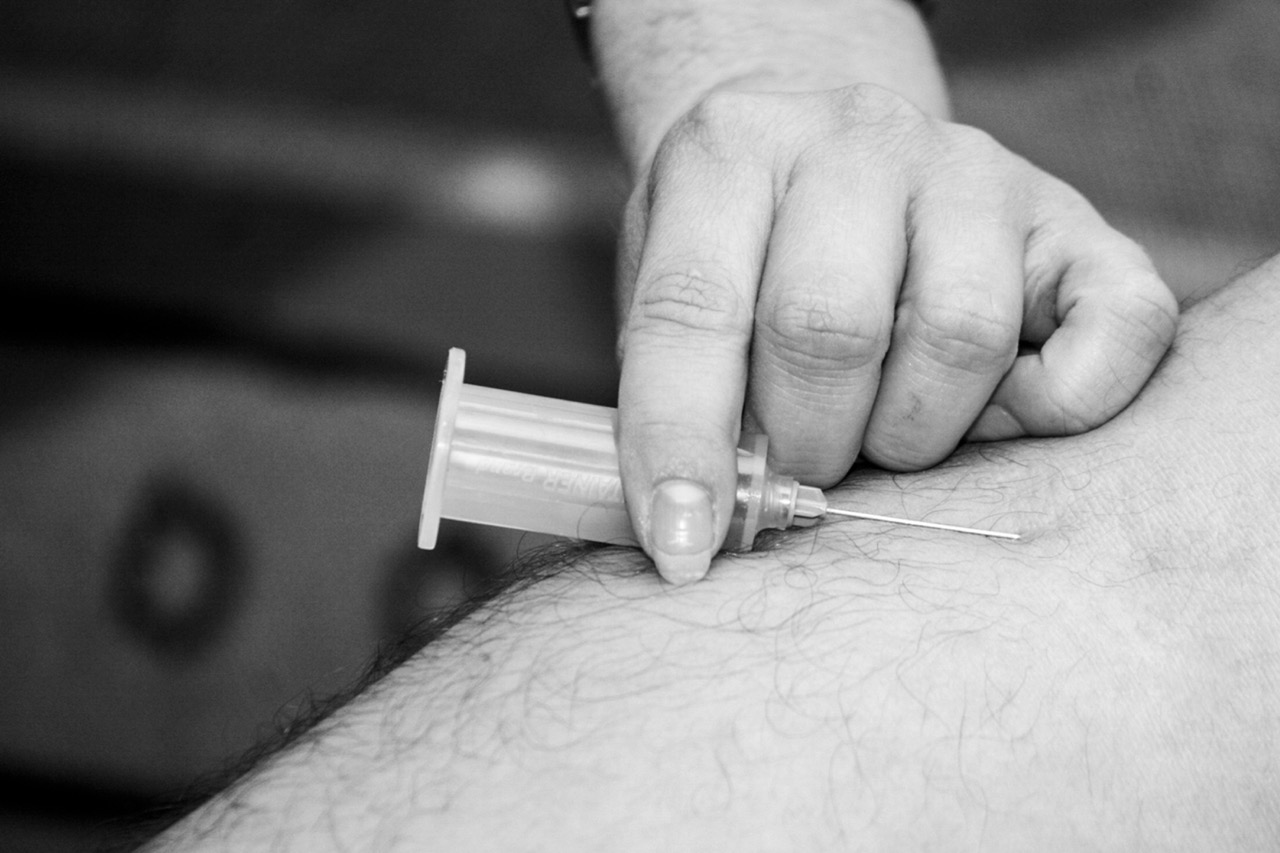
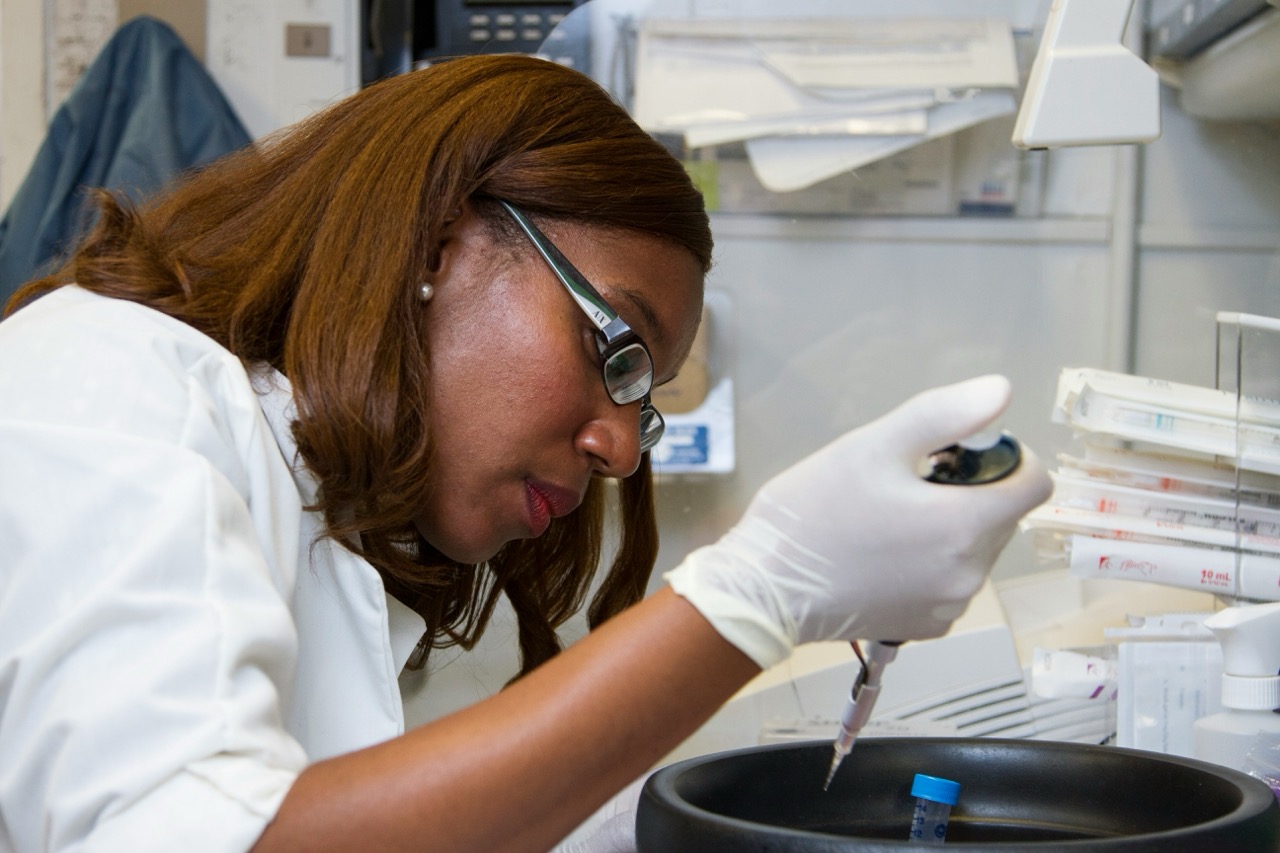
The testing for gonorrhoea usually involves either a urine test or a swab test. In a urine test, you will be asked to provide a urine sample, which is then analyzed for the presence of the bacteria. Alternatively, if you are experiencing symptoms or if the healthcare provider deems it necessary, a swab test may be performed. This involves taking a sample from the urethra, throat, or rectum, depending on the sexual practices of the individual. Both methods are minimally invasive and designed to be quick and painless.
Once the tests are conducted, results typically take a few days to process. If the test comes back positive, your healthcare provider will discuss treatment options, which usually include antibiotics. It’s also important to inform any sexual partners about the diagnosis so they can get tested and treated if necessary. Remember, timely testing and treatment are essential in effectively managing gonorrhoea and preventing further transmission.
===
Understanding gonorrhoea and the importance of regular testing is vital for men’s sexual health. By recognizing symptoms and knowing what to expect during the testing process, men can take proactive steps towards their wellbeing. Remember, prioritizing sexual health not only protects you but also promotes a healthier community. If you have concerns or think you may be at risk, don’t hesitate to reach out to a healthcare provider for guidance and support.