





Gonorrhoea is a common sexually transmitted infection (STI) that can affect anyone, regardless of sexual orientation or gender. For individuals engaging in anal sex, understanding the importance of testing for gonorrhoea is crucial for maintaining sexual health and preventing complications. This article aims to provide comprehensive insights into why testing for gonorrhoea after anal sex exposure is essential, what the testing process entails, and how to interpret the results effectively.
Understanding the Importance of Gonorrhoea Testing After Anal Sex
Engaging in anal sex can elevate the risk of contracting gonorrhoea due to the delicate tissues involved, which may be more susceptible to infection. Gonorrhoea, caused by the bacterium Neisseria gonorrhoeae, can lead to serious health issues if left untreated, including pelvic inflammatory disease (PID) in women and potential fertility problems in both men and women. Regular testing is vital for anyone who participates in anal sex, as the infection may not always present noticeable symptoms.
Understanding the incubation period of gonorrhoea is also essential. Symptoms usually manifest within 2 to 14 days after exposure, but it’s possible to remain asymptomatic, thereby unknowingly spreading the infection. Regular testing, particularly after new sexual partners or unprotected anal intercourse, can help ensure early detection and treatment. This proactive approach not only protects your health but also safeguards the well-being of your partners.
Moreover, gonorrhoea can coexist with other STIs, which is why comprehensive testing is recommended. Knowing your status can empower you to make informed decisions about your sexual health and relationships. Health professionals advocate for open conversations about STIs, creating a supportive environment where individuals feel comfortable discussing their needs and concerns.
What to Expect During Gonorrhoea Testing and Results Interpretation
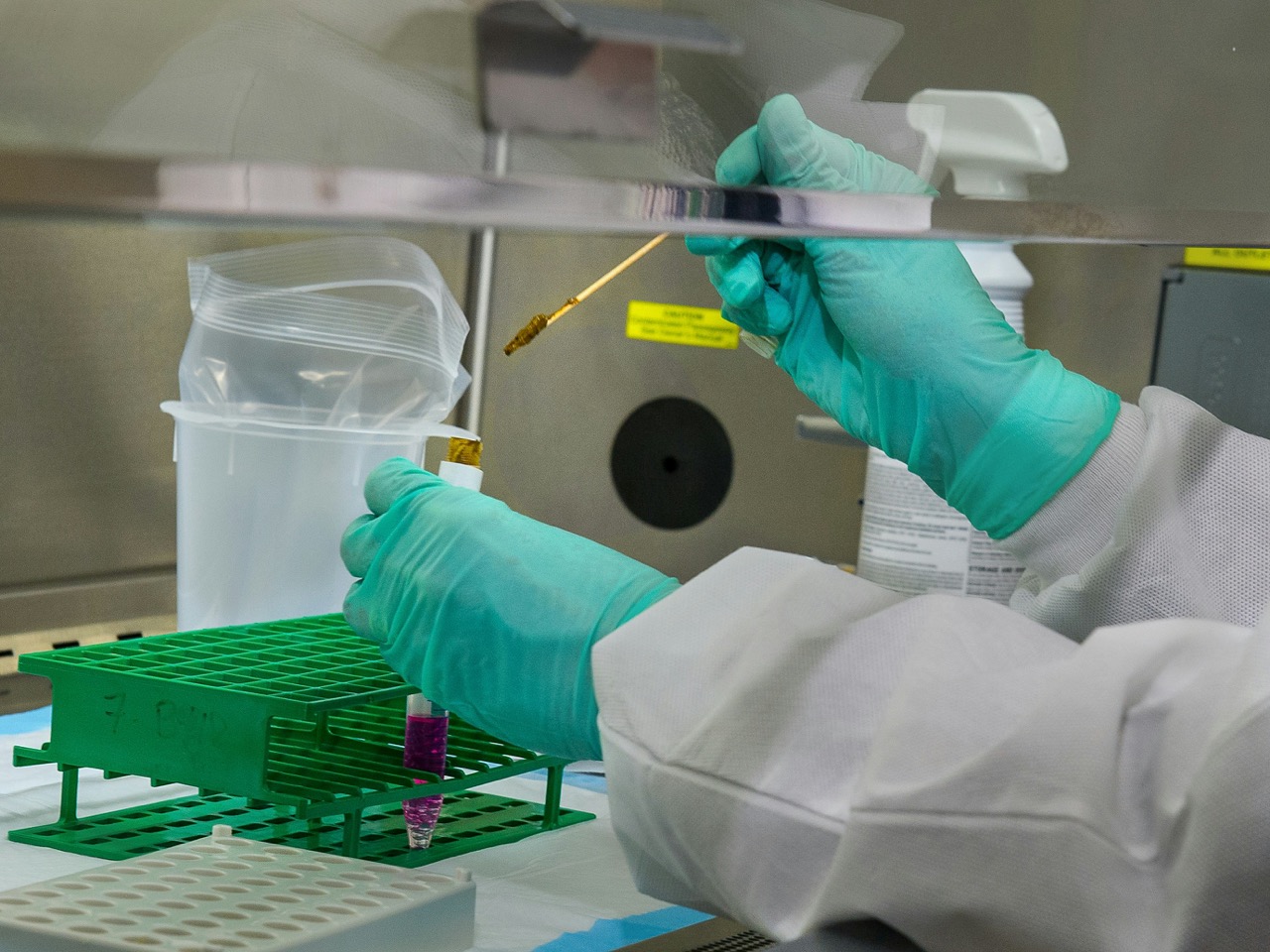
When you decide to get tested for gonorrhoea, the process is typically straightforward and respects your privacy. Testing can be done through a urine sample, a throat swab, or a rectal swab, depending on the exposure risk. It’s advisable to consult with a healthcare provider who can guide you on the most appropriate testing method based on your sexual practices and exposure history. Many clinics also offer rapid testing options for convenience and swift results.
During the testing appointment, healthcare professionals will ensure your comfort and confidentiality. They may ask questions about your sexual history and any symptoms you may be experiencing, which helps tailor the testing to better meet your needs. If you are anxious about the process, it’s beneficial to communicate those feelings with your provider; they are there to help and support you.
Once the test is complete, you can expect results within a few days, although some clinics provide faster results. Interpreting the results is crucial; a positive test indicates an active infection that requires treatment, typically with antibiotics. Conversely, a negative test may offer peace of mind, but it’s essential to continue regular testing, especially if you remain sexually active. Understanding your results allows you to take the next steps in your health journey, including informing partners if necessary.
In conclusion, gonorrhoea testing after anal sex exposure is a critical component of sexual health awareness and prevention. Understanding the importance of testing and what to expect can empower individuals to make informed decisions to protect themselves and their partners. Staying proactive about testing not only promotes personal health but also fosters a community committed to sexual well-being. Remember, your health is a priority, and seeking support and information is a courageous step toward a healthier and more informed sexual life.