




Gonorrhoea is a common sexually transmitted infection (STI) caused by the bacteria Neisseria gonorrhoeae. While effective treatments are available, understanding the importance of post-treatment testing and the guidelines for retesting is crucial for maintaining sexual health. This article aims to clarify the testing procedures following treatment for gonorrhoea and provide essential retesting rules to empower individuals in their sexual health journey.
Understanding Gonorrhoea Testing Post-Treatment Guidelines
After receiving treatment for gonorrhoea, it is vital to undergo follow-up testing to ensure the infection has been successfully eradicated. Typically, health professionals recommend testing about one week after completing the prescribed treatment. This follow-up is crucial, especially if symptoms persist, as it helps confirm that the treatment was effective and that there are no complications, such as a reinfection or resistance to antibiotics.
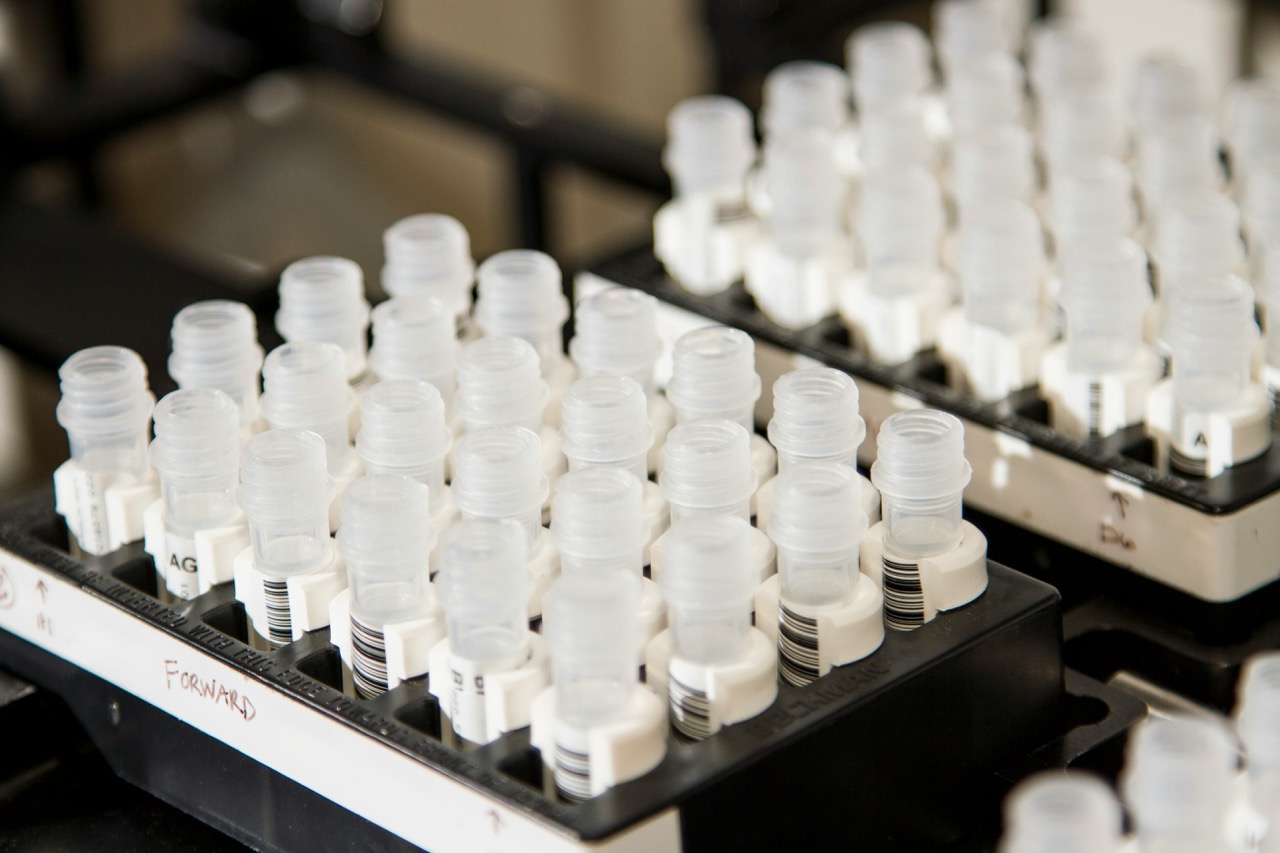
Testing usually involves a simple urine test or a swab from the infected area, which can include the throat, cervix, or rectum. The choice of test will depend on the individual’s symptoms and previous infections. It’s essential to consult with a healthcare provider to determine the best testing method tailored to your situation. Understanding this process can help alleviate any anxiety about what to expect after treatment.
It’s also important to note that testing for gonorrhoea should not be limited to just confirming the absence of the infection. Individuals should also be evaluated for other STIs, as co-infections are common. Comprehensive sexual health assessments can provide peace of mind and improve overall health outcomes, so don’t hesitate to request additional testing if necessary.
Essential Retesting Rules for Gonorrhoea After Treatment
The Centers for Disease Control and Prevention (CDC) recommends retesting for gonorrhoea three months after treatment, regardless of whether symptoms reappear or not. This guideline is in place because reinfection is common, especially among individuals with new or multiple sexual partners. Regular retesting not only allows for early detection but also helps prevent the spread of the infection to others.
Additionally, if you have a sexual partner who has not been tested or treated for gonorrhoea, it is vital to encourage them to get tested. Mutual testing and treatment can significantly reduce the risk of reinfection and contribute to better sexual health for both partners. Open communication about STI testing can foster a safer sexual environment and encourage healthy practices in the relationship.
Lastly, individuals who have undergone treatment should also remain vigilant about their sexual health. If experiencing any unusual symptoms, such as pain during urination, abnormal discharge, or persistent sore throat, it is advisable to seek medical attention promptly. Staying informed and proactive can help ensure that any potential issues are addressed before they escalate.
In conclusion, understanding gonorrhoea testing after treatment and adhering to retesting rules is essential for maintaining optimal sexual health. Regular follow-up testing not only confirms successful treatment but also helps in detecting reinfections early, contributing to the overall fight against STIs. By empowering oneself with knowledge and fostering open communication with partners, individuals can take significant steps toward a healthier sexual life. Remember, seeking help is a sign of strength, and prioritizing your health is the best decision you can make.