





Traveling internationally can be an exciting experience, but it also comes with certain health risks, particularly concerning sexually transmitted infections (STIs) like gonorrhoea. Understanding the importance of post-travel testing is crucial for protecting both your health and that of your partners. In this article, we will explore essential information about gonorrhoea testing after international travel, as well as the symptoms and testing procedures you should be aware of.
Essential Information on Gonorrhoea Testing Post-Travel
Gonorrhoea is a common STI caused by the bacterium Neisseria gonorrhoeae. It can affect the genital tract, rectum, and throat. After traveling, especially to areas with high rates of STIs, it is vital to monitor your health closely. Health authorities recommend that anyone who has had unprotected sex during their travels should consider getting tested for gonorrhoea, even if they do not exhibit symptoms. The reason for this is that the infection can be asymptomatic, meaning you might not experience noticeable signs but can still transmit the disease.
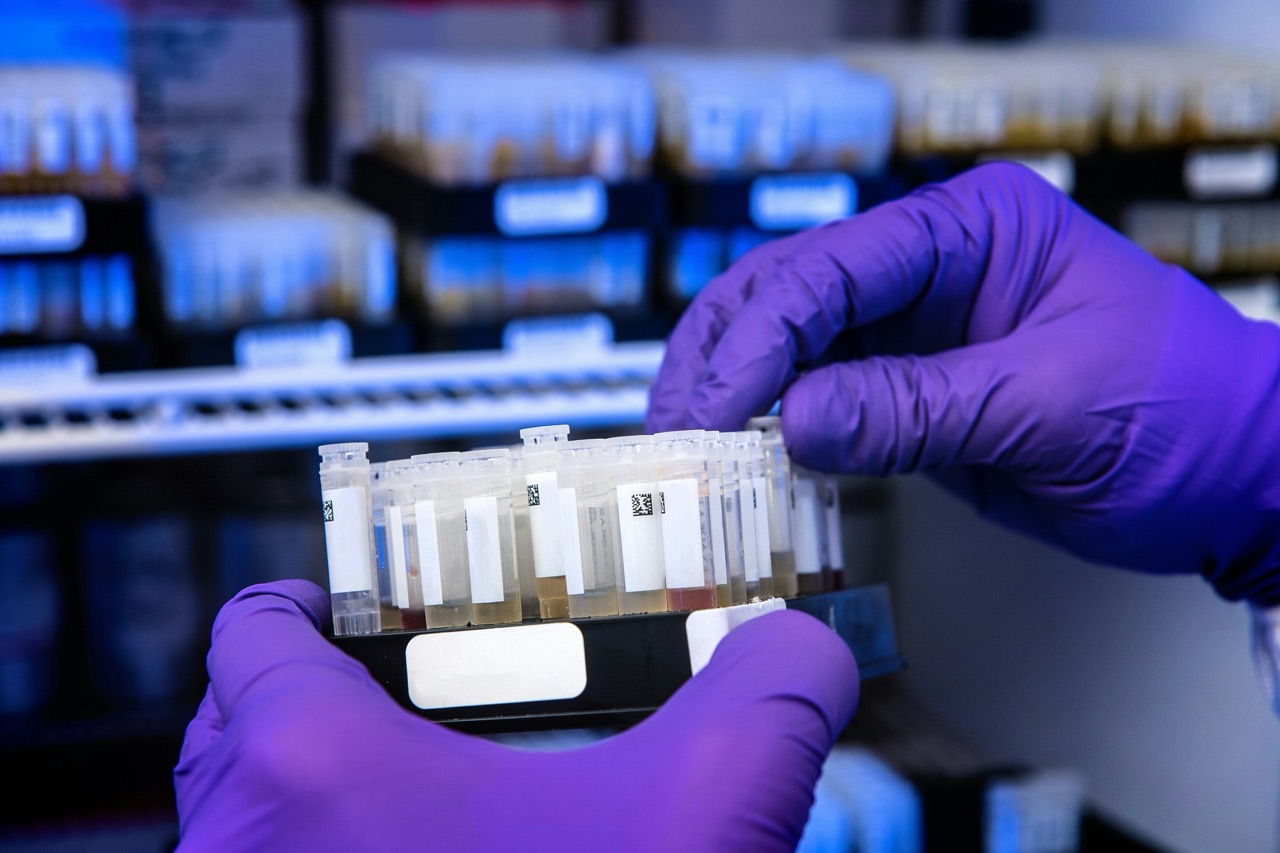
Testing for gonorrhoea is straightforward and typically involves a urine test or a swab from the affected area, such as the throat or genital region. Many clinics and healthcare providers offer same-day testing, and results can often be available within a few days. It’s important to note that while gonorrhoea is treatable with antibiotics, prompt testing is essential to avoid complications, such as pelvic inflammatory disease in women or infertility in both men and women.
In addition to individual testing, it is crucial to communicate with sexual partners about potential risks. Many people may feel hesitant to discuss their sexual health, but open conversations can help reduce the spread of infections. By encouraging partners to get tested, you contribute to a safer sexual environment for everyone involved. Remember, prioritizing your health is a responsible and empowering choice.
Understanding Symptoms and Testing Procedures After Travel
Awareness of the symptoms of gonorrhoea can help you identify if you should seek testing after your travels. Common symptoms include painful urination, unusual discharge from the penis or vagina, and, in some cases, sore throat or rectal discomfort. However, as mentioned earlier, many individuals do not show symptoms, which is why routine testing is crucial, especially after potential exposure. If you experience any of these symptoms, it is advisable to see a healthcare provider immediately.
Testing procedures for gonorrhoea are generally quick and simple. In most cases, you will either provide a urine sample or undergo a swab test, depending on the areas that may be affected. Healthcare providers may also recommend testing for other STIs, as infections can often occur simultaneously. This is beneficial because it allows for comprehensive care and treatment if necessary. Many clinics ensure a private and respectful environment, understanding the sensitive nature of STI testing.
Once you receive your test results, interpreting them can be straightforward. A positive result means you have an active gonorrhoea infection and should follow up with your healthcare provider for appropriate treatment. A negative result, while reassuring, does not necessarily eliminate concerns, especially if you had recent exposure—consulting with your provider about retesting or further precautions may be wise. Remember that effective treatment is available, and taking action can greatly improve your health and well-being.
In conclusion, getting tested for gonorrhoea after international travel is an essential part of maintaining sexual health. By understanding the symptoms, being aware of the testing procedures, and engaging in open communication with partners, you can significantly reduce health risks for yourself and others. Remember that prioritizing your sexual health is not just a personal responsibility; it’s an important step in fostering a healthier community. Stay informed, get tested, and take charge of your well-being.