




Gonorrhoea is a common sexually transmitted infection (STI) caused by the bacterium Neisseria gonorrhoeae. It can affect various parts of the body, including the genitals, rectum, and throat. Accurate testing is crucial for timely diagnosis and treatment, helping to prevent complications and the spread of the infection. When it comes to gonorrhoea testing, the type of sample collected—urine or swab—can significantly influence the accuracy of results. Understanding the strengths and limitations of each sample type is essential for anyone seeking to safeguard their sexual health.
Understanding Sample Types for Gonorrhoea Testing Accuracy
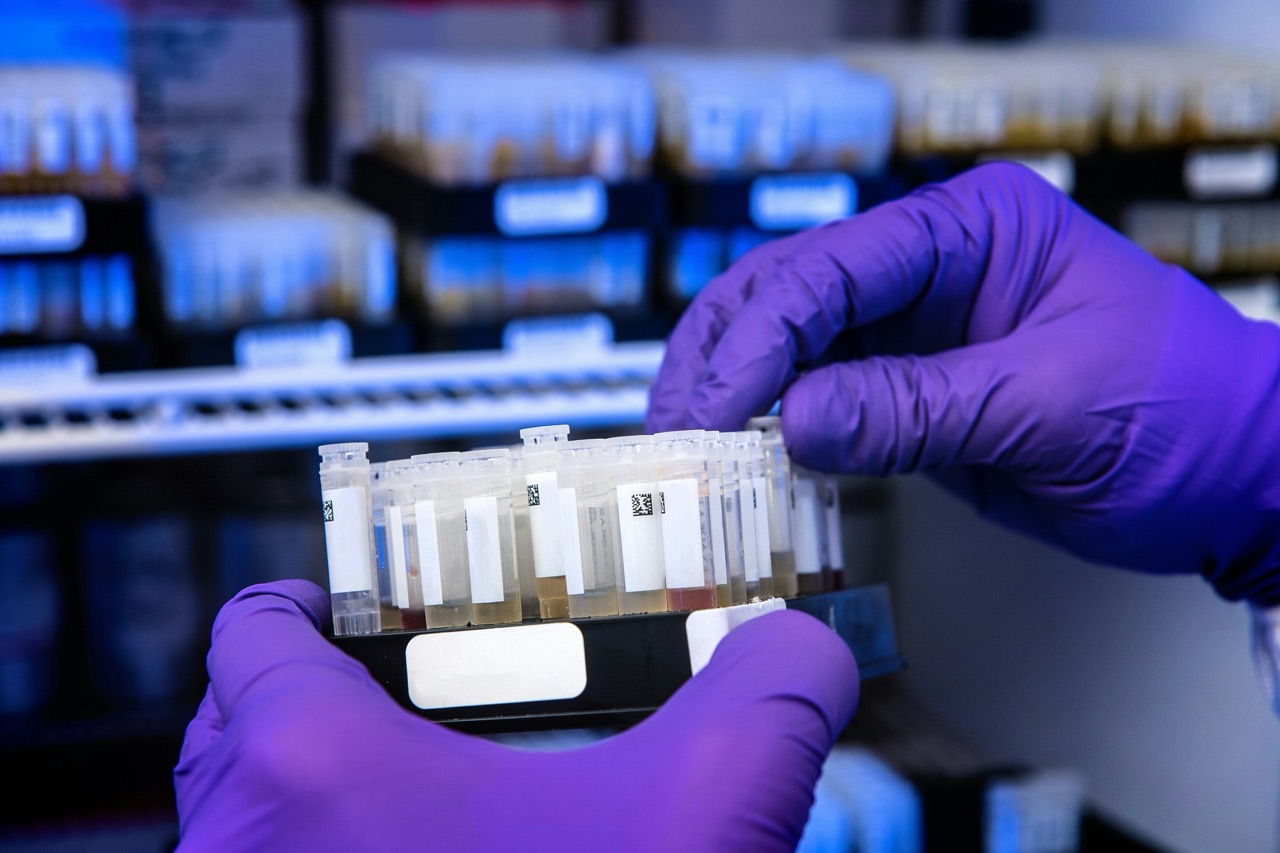
When it comes to testing for gonorrhoea, the sample type plays a pivotal role in the reliability of results. Healthcare providers typically use two primary methods: urine samples and swabs from potentially infected sites. Urine tests are non-invasive and easy for patients to provide, making them a popular choice. However, their effectiveness can vary based on factors such as hydration levels and the timing of the test in relation to sexual activity.
Swab samples, on the other hand, are often taken from the specific area where symptoms are present—such as the urethra, cervix, rectum, or throat. This method often yields more accurate results, especially when the infection is localized. The swabbing process allows for a targeted approach, capturing the bacteria directly from the source of infection. However, some individuals may feel uncomfortable with this method, which can deter them from seeking testing.
Ultimately, both sample types have their advantages and limitations. The choice between urine and swab samples often depends on individual circumstances, including symptoms and personal comfort levels. Health professionals should discuss these options with patients to ensure they make an informed decision based on their specific needs and the likelihood of infection.
Comparing Effectiveness: Urine vs. Swab Samples for Testing
Research has demonstrated that swab samples generally provide higher sensitivity and specificity compared to urine tests for gonorrhoea. Sensitivity refers to a test’s ability to correctly identify those with the infection, while specificity measures its ability to correctly identify those without the infection. While urine tests can be effective in detecting gonorrhoea in men, their accuracy may drop significantly when it comes to women or when infections are present in non-urethral sites. In contrast, swabs from the cervix or throat provide a more precise representation of the bacterial presence in those areas.
Another factor to consider is the time elapsed since potential exposure. Nucleic acid amplification tests (NAATs) are commonly used for both urine and swab samples, offering high accuracy within a few days post-exposure. If a person suspects they have been exposed to gonorrhoea, it’s recommended to wait at least a week before testing to allow for a more reliable result. Swabs collected during this window can more effectively confirm or rule out an infection than urine tests taken during the same timeframe.
Accessibility is also a crucial element in the discussion of sample types. While urine tests can be more comfortable and less invasive, they may not be available at all testing locations, especially those emphasizing comprehensive sexual health services. Swab testing, though potentially intimidating, often remains the gold standard for accuracy. Ultimately, the choice should be made in consultation with a healthcare provider who can guide individuals based on their circumstances and sexual health history.
Understanding the implications of sample type on gonorrhoea testing accuracy is crucial for anyone engaged in sexual activity. Both urine and swab samples have their pros and cons, and the best choice often depends on individual circumstances. By discussing options with a healthcare professional, individuals can better navigate the testing process and ensure they receive the most accurate results possible. Remember, timely testing is a key step in protecting not only your own health but also the health of your partners. Staying informed and proactive is essential for your sexual well-being.