





Chlamydia is one of the most common sexually transmitted infections (STIs) affecting people across all demographics. Its often asymptomatic nature can lead to severe health consequences if left untreated. This article provides a comprehensive overview of chlamydia testing in sexual health clinics, outlining the symptoms, risks, testing procedures, and the importance of regular testing. By equipping individuals with the right information, we aim to promote awareness, reduce stigma, and empower readers to take control of their sexual health.
Understanding Chlamydia: Symptoms and Risks for Everyone
Chlamydia is caused by the bacterium Chlamydia trachomatis and is primarily transmitted through sexual contact. It often goes unnoticed because many people do not display symptoms. When symptoms do occur, they can include unusual discharge, burning during urination, and pelvic pain, among others. It’s essential to be aware of these signs and understand that they can vary widely among individuals, sometimes being completely absent, especially in women.
The risks associated with untreated chlamydia can be significant. In women, the infection can ascend to the uterus and fallopian tubes, leading to pelvic inflammatory disease (PID), which can result in infertility or ectopic pregnancies. Men, too, may face complications such as epididymitis, which can affect fertility. Moreover, chlamydia can increase the risk of contracting or transmitting other STIs, making timely diagnosis and treatment crucial.
Awareness of chlamydia is important for everyone, regardless of age, sexual orientation, or gender. Engaging in open conversations about sexual health, understanding one’s own body, and being aware of any symptoms are vital steps in promoting personal and community health. Education can empower individuals to seek testing and treatment, ultimately contributing to a healthier society.
The Importance of Regular Testing in Sexual Health Clinics
Regular testing for STIs, including chlamydia, is essential for maintaining sexual health. Many health professionals recommend that sexually active individuals get tested at least once a year, or more frequently if they have multiple partners or engage in unprotected sex. Sexual health clinics provide a safe and confidential environment for individuals to access testing services without judgment, making it easier for people to prioritize their health.
In addition to individual health benefits, regular testing can help to curb the spread of chlamydia and other STIs in the community. Early detection allows for prompt treatment, which is crucial in preventing complications and reducing transmission rates. By normalizing testing and fostering a culture of health awareness, sexual health clinics play a vital role in public health initiatives.
Furthermore, sexual health clinics often provide additional resources, such as counseling, education, and preventive measures like vaccination and safe sex practices. This holistic approach ensures that individuals not only get tested but also understand the importance of sexual health as part of their overall well-being. This proactive stance is key to reducing the stigma surrounding STIs and fostering a culture of open communication.
How Chlamydia Testing Works: A Step-by-Step Guide
Chlamydia testing in sexual health clinics is typically straightforward and involves a few simple steps. First, when you arrive at the clinic, a healthcare provider will ask a series of questions about your sexual history, symptoms, and any previous STIs. This information helps them determine the best testing approach for you. Privacy and confidentiality are always prioritized, ensuring that you feel safe and secure during the process.
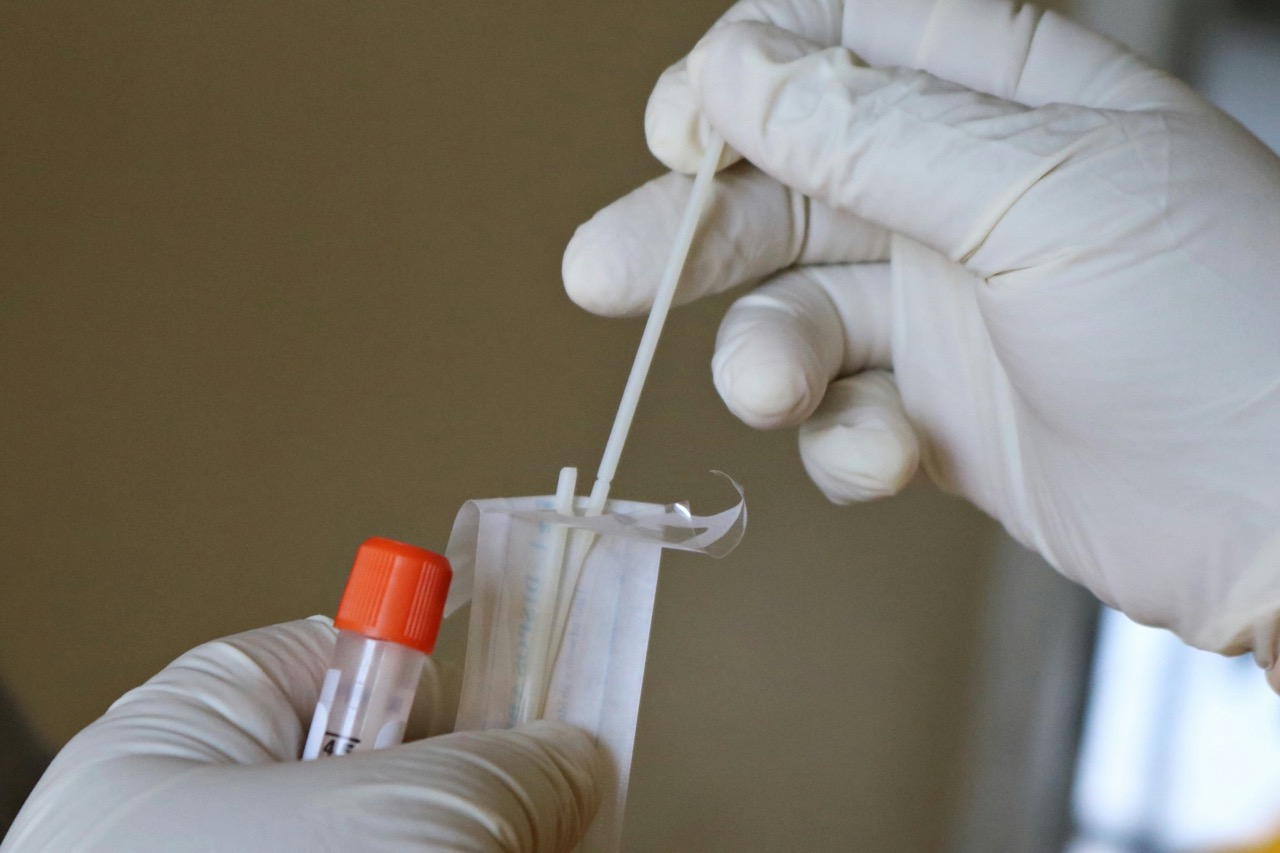
The actual testing process can vary, but it generally involves either a urine sample or a swab from the genital area. For women, a swab can be taken from the cervix, while men might have a swab taken from the urethra. Urine tests are non-invasive and can be done quickly, making them a popular choice. Results are typically available within a few days, and healthcare providers will explain what to expect in terms of follow-up and next steps.
After the test, it’s crucial to maintain open lines of communication with your healthcare provider. If you test positive for chlamydia, they will discuss treatment options, which usually involve a simple course of antibiotics. It’s also important to inform any sexual partners, so they can get tested and treated as well, helping to prevent reinfection and further transmission.
Interpreting Your Results: What to Expect After Testing
Once you receive your test results, understanding them is essential for making informed decisions about your health. If your result is negative, it means that no chlamydia was detected, but it’s still important to discuss any ongoing concerns with your healthcare provider. Regular testing should still be part of your routine, especially if you have new or multiple partners.
If your result is positive, it’s crucial to remember that chlamydia is treatable and manageable. Your healthcare provider will prescribe antibiotics, and it’s important to complete the full course as directed. They will also guide you on follow-up appointments to ensure the infection has been cleared and to address any further health concerns. Open and honest communication with your provider is key during this time.
Moreover, discussing your results with your sexual partners is vital to preventing the spread of the infection. Encouraging them to get tested and treated can help break the cycle of transmission. Remember, seeking help and taking action is a sign of strength and responsibility and is the best way to ensure your ongoing health and wellness.
Chlamydia testing in sexual health clinics is a crucial aspect of maintaining sexual health and preventing the spread of infections. By understanding the symptoms, the importance of regular testing, and the process involved, individuals can make informed decisions about their sexual health. Remember, prioritizing regular check-ups and open communication with healthcare providers and partners can lead to healthier relationships and a more informed community. Your sexual health is important; take the step to care for it today.