






===
Chlamydia is one of the most common sexually transmitted infections (STIs) worldwide, yet its prevalence is often underestimated, particularly in rural areas. These regions face unique challenges when it comes to accessing healthcare services, including testing for STIs like chlamydia. Understanding the importance of testing, the barriers to access, and methods for prevention can empower individuals to take charge of their sexual health.
Understanding Chlamydia: Importance of Testing in Rural Areas
Chlamydia is caused by the bacterium Chlamydia trachomatis and can lead to serious health complications if left untreated, including infertility and chronic pelvic pain. The symptoms often go unnoticed, especially in women, making regular testing essential for sexually active individuals. In rural areas, where healthcare resources may be limited, raising awareness about the importance of chlamydia testing is crucial for early detection and treatment.
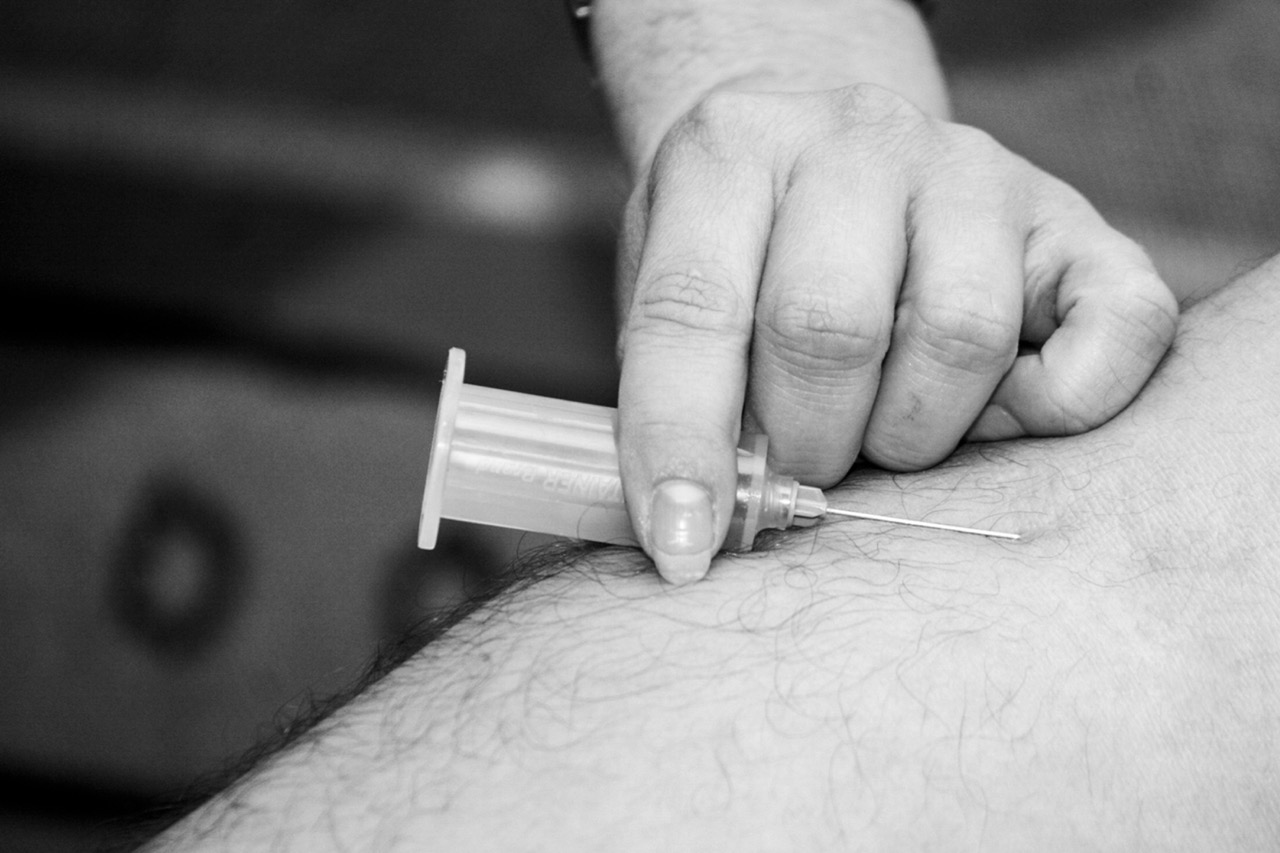
Testing for chlamydia is a straightforward process. It typically involves a urine test or a swab from the affected area. The Centers for Disease Control and Prevention (CDC) recommends annual testing for sexually active women under 25 and anyone with new or multiple sexual partners. By encouraging routine testing, communities can help reduce the spread of chlamydia and protect the health of their members.
Rural populations may feel less comfortable discussing sexual health issues, which can lead to stigmatization and reluctance to seek testing. Educational outreach initiatives can play a vital role in normalizing conversations about STIs and promoting testing as an essential aspect of overall health. By fostering an environment of understanding and support, rural communities can improve their awareness of chlamydia testing.
Accessibility Challenges: Facilities and Resources for Testing
Accessing healthcare services in rural areas can be challenging due to a lack of facilities and resources. Many rural communities have limited clinics or hospitals, which may not offer comprehensive sexual health services, including chlamydia testing. This geographic barrier can deter individuals from getting tested, potentially leading to undiagnosed infections and increased transmission rates.
Transportation can also pose a significant challenge for individuals seeking testing. Public transport options are often sparse, and many people may not have reliable means of travel to reach healthcare facilities. This limitation can create additional hurdles for those who wish to prioritize their sexual health but face logistical challenges in accessing testing services.
Moreover, the healthcare workforce in rural areas may be stretched thin, with fewer providers available to offer specialized care. This scarcity can result in long wait times for appointments and limited availability for testing. Strategies to expand telehealth services and mobile testing clinics could greatly enhance access to chlamydia testing, ensuring that rural populations receive the care they need.
Interpreting Your Results: What to Expect After Testing
Once you undergo chlamydia testing, it is important to understand what to expect regarding your results. Typically, results can take anywhere from a few days to a week. If the test is positive, it is crucial to remember that chlamydia is treatable with antibiotics. Early diagnosis is key to preventing complications and transmission to partners.
Receiving a negative result can also bring relief, but it doesn’t mean you are immune to future infections. It is advisable to continue regular testing, especially if you have new or multiple sexual partners. Understanding how to interpret results is vital for maintaining sexual health and taking proactive measures.
Healthcare providers can guide you through the next steps based on your results. If positive, they can prescribe the necessary treatment and recommend follow-up testing to ensure the infection has cleared. They can also provide valuable information on informing partners and discussing safe sex practices to prevent reinfection.
Steps to Reduce Risk: Preventing Chlamydia in Rural Communities
Preventing chlamydia requires a multi-faceted approach, especially in rural communities where education and resources may be limited. Promoting safe sex practices, including the use of condoms, is essential in reducing the risk of transmission. Community education programs can raise awareness about how chlamydia is transmitted and the importance of protection during sexual activity.
Regular health education interventions, workshops, and outreach programs can help destigmatize discussions around STIs. By creating an environment where individuals feel comfortable seeking information and assistance, communities can empower their members to take proactive steps in managing their sexual health. Schools and local organizations can collaborate to integrate sexual health education into their programs.
Finally, fostering partnerships with local healthcare providers can enhance the availability of testing and treatment options. Establishing mobile clinics or temporary testing sites can make it easier for individuals to access necessary services without traveling long distances. By improving accessibility, rural communities can significantly reduce the incidence of chlamydia and other STIs.
===
Chlamydia testing is a vital component of sexual health that should not be overlooked, especially in rural areas where access to healthcare may be limited. By understanding the importance of testing, addressing accessibility challenges, and promoting preventive measures, communities can take significant strides in combating this common infection. Empowering individuals to prioritize their sexual health through education and accessible resources will lead to healthier futures for everyone.