






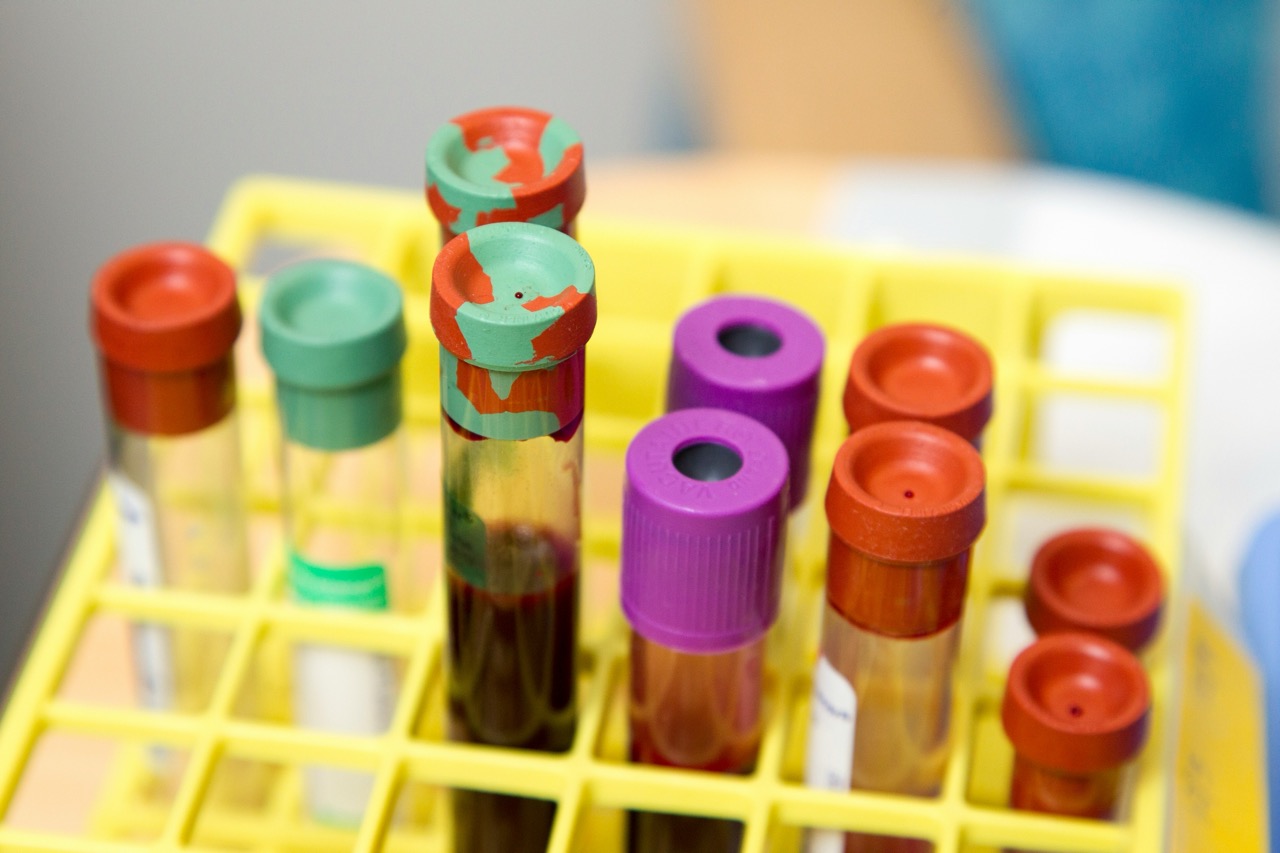
Chlamydia is one of the most common sexually transmitted infections (STIs) globally, yet many who are infected do not show any symptoms. This lack of symptoms can lead to a false sense of security, causing individuals to forgo testing and treatment. However, regular screening is essential for maintaining sexual health, even for those who feel perfectly fine. This article will delve into the importance of chlamydia testing for asymptomatic individuals, the testing process, and how to interpret the results, ultimately empowering readers to take control of their sexual health.
Understanding Chlamydia: An Overview of Asymptomatic Cases
Chlamydia is caused by the bacterium Chlamydia trachomatis and is often referred to as a "silent" infection because it frequently presents no symptoms. In fact, studies suggest that nearly 70% of women and 50% of men with chlamydia do not experience noticeable symptoms. This asymptomatic nature makes it challenging to diagnose, allowing the infection to spread unknowingly among sexual partners.
Despite the absence of symptoms, untreated chlamydia can lead to serious health complications. In women, it can cause pelvic inflammatory disease (PID), which may result in infertility or ectopic pregnancies. For men, untreated infections can lead to complications such as epididymitis, a painful condition affecting the testicles. Therefore, understanding the risks associated with asymptomatic chlamydia is crucial for public health and personal well-being.
In addition to the physical consequences, there’s also an emotional toll. The uncertainty of one’s sexual health can lead to anxiety and stress. This underscores the importance of regular testing and open communication with sexual partners. By taking proactive measures, individuals can mitigate risks not just for themselves but also for those they care about.
Why Testing for Chlamydia is Important Even Without Symptoms
Even without symptoms, testing for chlamydia remains a vital aspect of responsible sexual health. Asymptomatic individuals can unknowingly transmit the infection to their partners, perpetuating a cycle of infection. Regular testing helps break this cycle, contributing to the broader public health goal of controlling STIs.
Furthermore, early detection through testing can prevent the development of severe health issues. For many, the thought of testing may evoke feelings of anxiety or embarrassment; however, it is crucial to recognize that testing is a routine part of healthcare. It allows individuals to take charge of their sexual health without stigma or judgment. Many healthcare providers offer testing in a confidential and supportive environment, making it easier for individuals to seek help.
Moreover, guidelines recommend regular testing for sexually active individuals, particularly those under 25, and those with multiple partners. By normalizing chlamydia testing, we can foster a culture of openness and awareness about sexual health, reducing the overall prevalence of STIs and encouraging safer sexual practices.
How to Get Tested for Chlamydia: A Simple Guide
Getting tested for chlamydia is a straightforward process that can often be done in a variety of settings. Many primary care providers, sexual health clinics, and even some pharmacies offer testing services. It typically involves a simple urine test or a swab from the genital area, throat, or rectum, depending on sexual practices. The procedure is quick, and many clinics prioritize confidentiality to ensure a safe experience.
Before getting tested, it may be helpful to consult with a healthcare provider about any potential risk factors. This can include discussing sexual history, number of partners, and any previous STIs. A provider can offer tailored advice and may recommend additional tests based on individual circumstances.
Once you decide to get tested, you may want to familiarize yourself with what to expect. Most results are available within a few days, and many clinics offer online portals for accessing results securely. Knowing this timeframe can help alleviate any anxiety associated with waiting.
Interpreting Your Chlamydia Test Results: What to Know
Understanding your test results is essential for managing your sexual health effectively. If you test positive for chlamydia, it’s important to remember that this is a common infection, and there is effective treatment available. Typically, the treatment involves a course of antibiotics that can clear the infection quickly. It’s crucial to follow the treatment plan as prescribed and to inform any recent sexual partners, who should also get tested.
If your test results are negative, it can provide peace of mind, but it’s still important to continue regular screenings, especially if you engage in high-risk behaviors. A negative result does not necessarily mean you are free from STIs in the future, as new infections can occur at any time.
Regardless of the outcome, discussing your results with a healthcare provider can offer additional insights. They can answer any questions and provide guidance on safe sexual practices to reduce the risk of future infections. Empowering yourself with knowledge about your sexual health is a crucial step towards maintaining overall well-being.
In conclusion, chlamydia testing is a vital component of sexual health, especially for individuals who may not exhibit any symptoms. Regular testing helps prevent the spread of infections, protects your health, and ensures that you can take informed actions regarding your sexual well-being. By understanding the importance of testing, the straightforward process involved, and the implications of your results, you can confidently navigate your sexual health journey. Remember, seeking testing is a responsible choice that contributes to both your health and the health of your community.